

Sexual Abuse and Assault Injury Lawyers


Signs of Sexual Abuse in Detention Centers
Recognizing the signs of sexual abuse in detention centers can be incredibly difficult, especially when abuse occurs behind locked doors, under constant supervision, and within systems designed to control communication and movement.
At Injury Lawyer Team, we stand with detained individuals and their families as they seek to understand what may be happening in custody. You are not alone, and we believe in your case, whether the harm occurred in jails, prisons, immigration holding sites, or juvenile detention settings.
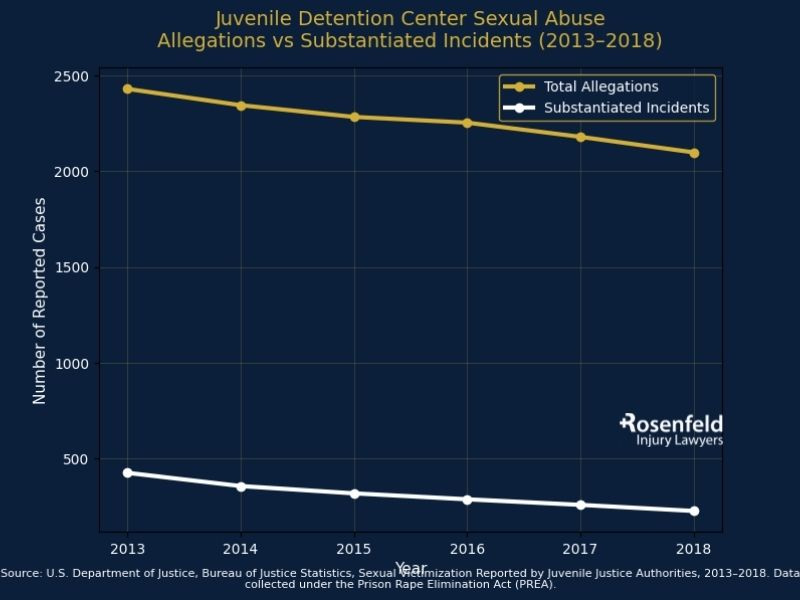
Sexual abuse in detention centers remains a widespread but underreported problem across the United States.
Our work representing survivors has shown us how often warning signs are overlooked, minimized, or dismissed by authority figures. When abuse happens in custody, it is a systemic failure. We help our clients identify red flags, document what happened, and pursue accountability when institutions fail to protect detainees.
Why Is Sexual Abuse in Detention Facilities Often Hard to Detect?
Sexual abuse is uniquely difficult to detect in detention centers because of the extreme power imbalance between detainees and those who control nearly every aspect of their daily lives. People in custody are often isolated from family members, legal counsel, and outside advocates. Communication is restricted, monitored, or delayed, making reporting abuse risky and intimidating.
Fear of retaliation is one of the most significant barriers. Many survivors worry that speaking up will lead to punishment, solitary confinement, loss of privileges, or retaliation from staff members or other detainees.
In some detention centers, reporting abuse can result in transfers, immigration consequences, or prolonged confinement, especially in ICE detention facilities and other settings involving ICE custody.
Institutional control also plays a role. Detention centers often control internal investigations, evidence collection, and access to health care. When allegations of sexual abuse arise, they may be filtered through internal channels rather than promptly referred to appropriate authorities. This environment makes it easier for sexual abuse to remain hidden and harder for survivors to feel safe coming forward.
What Physical Signs May Indicate Sexual Abuse in Detention Centers?
Physical signs of sexual abuse in detention centers can vary widely and may be subtle or absent altogether. While some survivors experience visible physical injuries, many do not, especially when abuse involves coercion, threats, or nonviolent sexual acts.
Possible physical indicators include unexplained injuries, bruising, pain in intimate areas, bleeding, or difficulty sitting or walking. Survivors may report abdominal pain, headaches, or chronic discomfort without a clear cause. In some cases, torn or missing clothing, changes in hygiene habits, or requests for repeated medical attention can raise concerns.
Medical issues such as sexually transmitted infections, urinary tract problems, or unexplained gynecological symptoms may also signal sexual abuse. However, physical evidence is not always present, and the absence of injuries does not mean abuse did not occur. We remind our clients that physical evidence is only one piece of the picture, and many survivors of sexual abuse never show outward signs.
What Behavioral Changes Can Signal Sexual Abuse While in Custody?
Behavioral changes are often among the most noticeable indicators of sexual harassment and abuse in detention centers. Survivors may become withdrawn, unusually quiet, or isolated from other detainees. Others may show sudden aggression, irritability, or defiance, responses that are sometimes misinterpreted as disciplinary problems rather than trauma responses.
We often see clients who develop an intense fear of specific staff members, authority figures, or housing units. Some detainees avoid showers, recreation areas, or medical units because those spaces are associated with prior abuse. Sleep disturbances, nightmares, appetite changes, and sudden requests for protective custody can also be warning signs.
Understanding these behavioral changes is essential to recognizing sexual abuse in detention centers and ensuring the safety of detainees from further harm.
What Psychological or Emotional Signs Suggest Sexual Abuse in Detention?
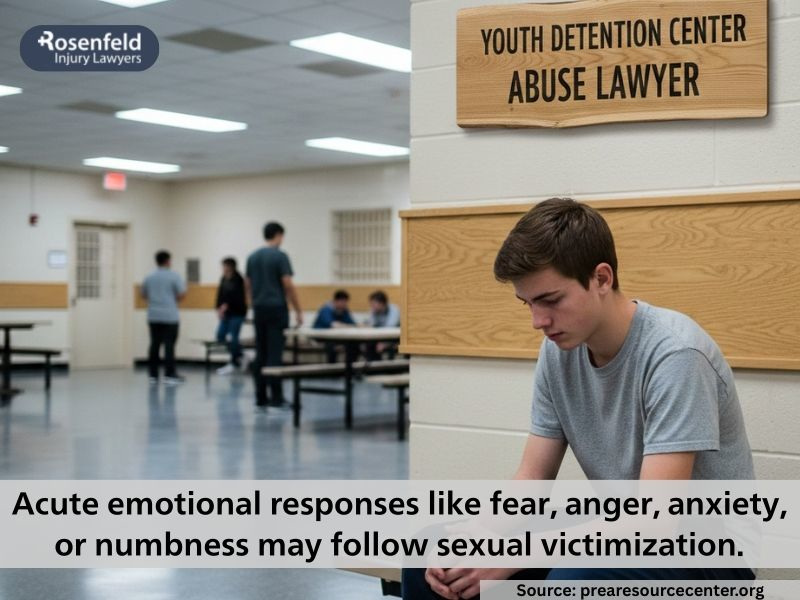
The emotional signs of sexual abuse can be profound, even when survivors struggle to put their experiences into words. Many detainees experience panic, shame, guilt, or dissociation after abuse. Mood swings, emotional numbness, or reluctance to speak may reflect attempts to cope in an unsafe environment.
Sexual assault survivors may avoid eye contact, hesitate to answer questions, or provide fragmented verbal statements about what happened. Others may express hopelessness, fear of not being believed, or concern about consequences for themselves or their families.
In detention centers, psychological distress is often dismissed as behavioral noncompliance. We believe these emotional signs deserve to be taken seriously, especially when they appear alongside other warning indicators.
What Institutional Red Flags Suggest Sexual Abuse Is Being Enabled?
Sexual abuse in detention centers is rarely the result of a single failure. Institutional red flags often signal environments where abuse is more likely to occur or be concealed. Chronic understaffing, lack of supervision, and inadequate training create conditions where detainees are vulnerable, and oversight is limited.
Other warning signs include missing incident reports for unexplained injuries, inconsistent documentation, repeated complaints involving the same staff members, or failure to preserve video footage from security cameras. Poor compliance with safety standards, lack of confidential reporting channels, and inadequate procedures for investigating allegations further enable abuse.
Facilities that fail to prevent sexual abuse send a dangerous message. Whether in adult jails, prisons, or youth detention settings, these institutional failures place detainees at risk. Survivors seeking help from a youth detention center sexual abuse lawyer often describe patterns that go far beyond isolated misconduct.
What to Do If You or Someone You Know Has Been a Victim of Sexual Abuse in a Detention Center
If you suspect sexual abuse in a detention center, taking action can feel overwhelming. We encourage survivors and families to move at their own pace while prioritizing safety and documentation.
Report the Abuse
Reporting abuse may involve internal grievance systems, outside agencies, or federal oversight bodies. While reporting abuse can be intimidating, it is often a necessary step to ensure the safety of detainees and preserve evidence. When possible, report sexual abuse to appropriate authorities outside the facility to reduce the risk of retaliation.
Seek Medical Care for Any Physical Injuries
Prompt medical attention is critical. A medical examination can address physical injuries, document findings, and assess the need for treatment. In some cases, a forensic exam may be appropriate to preserve evidence. Access to independent medical staff is especially important when abuse involves staff members.
Seek Mental Health Care
Trauma-informed psychiatric care can help survivors cope with fear, shame, and emotional distress. Counseling may also support detainees who are navigating ongoing confinement while processing abuse.
Consult an Attorney
Speaking with an attorney experienced in detention abuse cases can help survivors understand their rights, reporting options, and potential legal claims. We regularly assist clients facing immigration detention facility sexual abuse, prison abuse, and juvenile detention cases.
What Laws Govern Sexual Abuse Cases Involving Detention Facilities?
One of the primary federal laws addressing sexual abuse in custody is the Prison Rape Elimination Act (PREA). This act established national standards aimed at preventing, detecting, and responding to sexual abuse and prison rape in detention settings. PREA requires facilities to adopt a zero-tolerance policy, train staff, assess risks, and provide reporting mechanisms.
While PREA does not create a private right of action on its own, violations can be powerful evidence in civil cases involving sexual abuse. Survivors may also face time limits when seeking justice. Understanding the statute of limitations on sexual assault and the statute of limitations on child abuse is critical, as these deadlines vary by state and may be extended in some circumstances.
Oversight bodies, such as an inspector general, may investigate systemic failures, particularly in ICE facilities and other federal detention systems. These investigations can uncover patterns of abuse, inadequate supervision, or failures to ensure detainees’ safety.

How Our Law Firm Can Help You Take Legal Action
At Injury Lawyer Team, we represent survivors in sex abuse lawsuits against detention centers, jails, prisons, and immigration custody. We understand the unique challenges detainees face and approach every case with care, discretion, and determination.
Our services include:
- Confidential initial consultation: We listen carefully to what happened, explain your rights, and answer questions in a safe, private setting, without pressure or obligation.
- Conducting thorough case evaluations and assessing detainees’ experiences: We analyze the facts, identify potential legal claims, and determine whether the abuse resulted from individual misconduct, institutional failure, or both.
- Explaining legal options, timelines, and next steps: We walk our clients through possible paths forward, including civil claims, reporting considerations, and applicable deadlines.
- Gathering records, video footage, and witness accounts from other detainees: We collect facility records, surveillance footage, incident reports, and corroborating statements to build a strong factual foundation.
- Coordinating medical records, medical expenses, and expert review: We obtain medical documentation, assess treatment needs and costs, and engage qualified experts as needed.
- Identifying responsible parties, including institutions and authorities: We determine who may be legally liable, such as facilities, contractors, supervisors, and oversight entities.
- Investigating patterns and systemic failures: We examine staffing practices, supervision, training, and prior complaints to uncover broader institutional misconduct.
- Drafting and filing the civil lawsuit: We prepare and file all legal pleadings, ensuring claims are clearly stated and supported by evidence.
- Managing discovery and evidence exchange: We conduct depositions, request documents, and challenge improper defenses while protecting our clients from unnecessary exposure.
- Engaging in settlement negotiations: We pursue fair resolution through negotiation or mediation when appropriate, always guided by our clients’ goals.
- Preparing for trial when a settlement is not offered or fair: We build a trial-ready case, develop testimony, and prepare exhibits and expert evidence.
- Trial representation and advocacy: We present the case in court, challenge opposing witnesses, and advocate for accountability before a judge or jury.
- Verdict, judgment, and post-trial matters: We handle verdicts, judgments, and any necessary post-trial motions or enforcement steps.
We work on a contingency-fee basis, meaning there are no upfront costs. We also offer a free, confidential consultation so survivors and family members can speak with us safely. If you are concerned about the signs of sexual abuse in detention centers, we are here to listen, explain your options, and help you seek accountability.
All content undergoes thorough legal review by experienced attorneys, including Jonathan Rosenfeld. With 25 years of experience in personal injury law and over 100 years of combined legal expertise within our team, we ensure that every article is legally accurate, compliant, and reflects current legal standards.