

Sexual Abuse and Assault Injury Lawyers


How to Report Sex Abuse in a Juvenile Detention Center
Many survivors are not sure how to report sex abuse in a juvenile detention center or fear retaliation, leading to a lack of accountability and ongoing threats to public safety.
Juvenile detention facilities have a legal and moral obligation to protect children from abuse or neglect, whether that is by juvenile facility staff or other detainees. They must have procedures for reporting abuse, conducting internal investigations, and ensuring the victim’s well-being.
Families have the right to take legal action for sexual misconduct in youth detention centers, and Injury Lawyer Team can help. Our law firm helps survivors nationwide explore their legal options, including civil lawsuits, while guiding them through the reporting process. Contact us today for a free consultation.
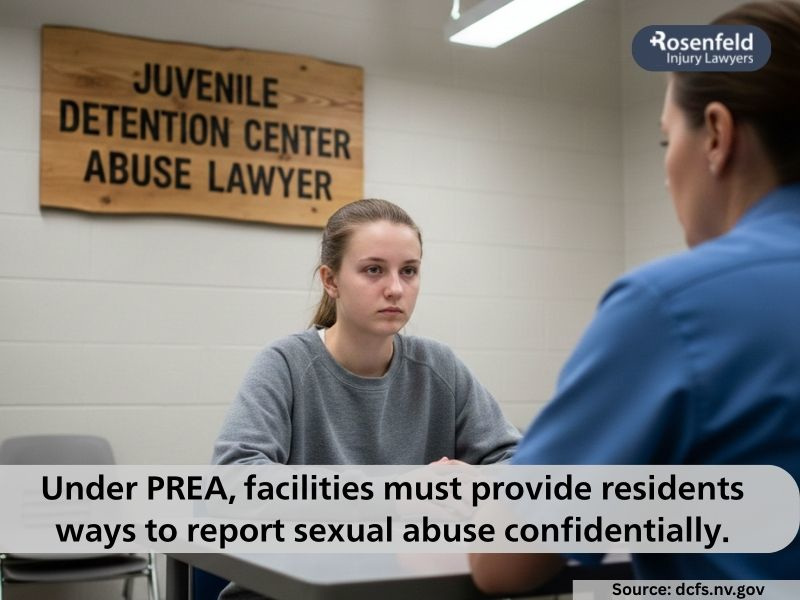
What Constitutes Sexual Abuse in Juvenile Detention Centers?
Sexual abuse takes many forms, including grooming, abuse of power, sexual harassment, and physical harm.
A March 2023 report by the Bureau of Justice Statistics revealed widespread abuse, both youth-on-youth and staff-on-youth. According to the report, there were 1,263 substantiated incidents of sexual victimization between 2013 and 2018.
Any sexual contact with someone under the age of 17 could result in criminal charges, but sexual relationships in detention centers are outlawed regardless of age. This is due to the power imbalance between detainees and staff members.
Facility staff could punish victims by recommending solitary confinement for extended periods of time, removing their privileges, or dismissing their complaints to authorities. Likewise, youth-on-youth contact is prohibited due to concerns about consent.
Are Juvenile Detention Centers Legally Obligated to Prevent Sex Abuse?
Yes, juvenile detention facilities are required under state and federal law to prevent sexual abuse. This falls under the legal doctrine of parens patriae, meaning the state is considered an incarcerated person’s legal guardian and intervenes to protect their human rights.
States’ Department of Corrections are required to implement best practices to protect youth offenders, including strictly segregating them from adult offenders and reporting any allegations of abuse.
Unfortunately, over 60% of facilities find claims of sexual abuse to be unsubstantiated. Detainees also report being harassed, threatened with retaliation, or isolated when they report their experiences. These systemic failures put youth at risk of further sexual abuse.
Does the Prison Rape Elimination Act Apply to Juvenile Detention Facilities?
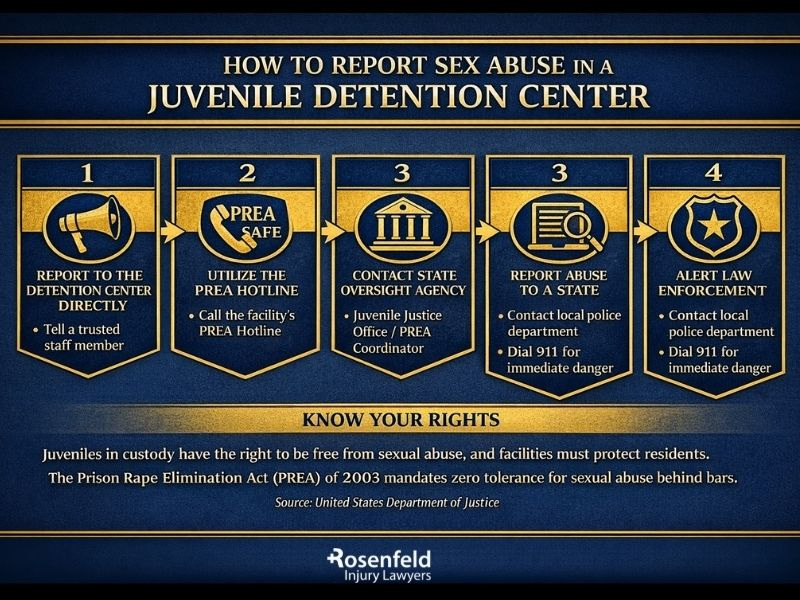
Yes, the federal Prison Rape Elimination Act (34 USC Ch. 303) also applies to juvenile detention facilities. Also known as PREA, this act establishes a zero-tolerance policy for sexual abuse in prisons and juvenile facilities.
The act requires that facilities maintain sufficient oversight over all detainees, compile allegations to the Department of Justice on a regular basis, and report child abuse claims to investigators. Many states have enacted additional regulations to enhance accountability, such as a Juvenile Justice Ombudsman who can receive direct reports of potential abuse.
How Long After the Abuse Happened Can Victims Report Abuse?
The statute of limitations on child abuse varies by state, including different deadlines for criminal versus civil lawsuits. Many states have extended the statutory deadlines for civil litigation.
You may be able to sue a facility for systemic failures even if the abuse occurred years prior. A youth detention center sexual abuse lawyer can provide legal support and more information about the specific statutory deadlines in your jurisdiction.
How Can the National Sexual Assault Hotline Help With Reporting Sex Abuse?
RAINN’s National Sexual Assault Hotline provides free and confidential guidance to sexual abuse survivors, including those who were assaulted while in detention. A trained counselor will learn more about your situation and then explain the reporting procedure based on your circumstances. They can also access resources in your area, such as a local rape crisis center or counseling services.
You do not have to share your name, age, or location with the counselor. If you state that you are under 18 and in imminent danger of further harm, then the counselor is mandated to report the incident to local police. However, you may choose not to share this, and the counselor will not ask.
If you have an immediate emergency, call 911 for immediate protection. However, inmates do not have a constitutional right to unmonitored phone access, which may deter them from reporting this way. You should also avoid showering, brushing your teeth, or changing your clothes after an assault, as doing so can compromise evidence.
How Are Sex Abuse Reports Handled Under the Juvenile Justice System?
Sexual abuse reports in juvenile detention facilities are handled by local, state, and federal agencies. Each facility must have a PREA Compliance Manager who receives initial allegations and coordinates the investigation. They may coordinate with local police, Child Protective Services (CPS), or the state’s ombudsman.
The victim’s immediate safety is the first concern. Facility staff should separate the victim from the perpetrator while the investigation is ongoing, for example, by placing them in different units. Victims should also be referred to counseling services and advised of their rights.
Both internal and external agencies will then interview the victim and any witnesses to gather more details. The victim may receive a forensic exam if there was sexual contact, which can be used in a criminal or civil claim.
PREA requires that all instances of sexual abuse in any detention center be collected and reported. Centers with high incident rates may face penalties, including license revocation or fines.
Sexual abuse in detention is considered cruel and unusual punishment under the Eighth Amendment. The US Supreme Court case Farmer v. Brennanestablished that prison officials can be held liable if they acted with deliberate indifference toward an incarcerated person’s safety. This means that in addition to a criminal case, you may be able to file a lawsuit for institutional abuse.
How Our Law Firm Can Help Victims Take Legal Action
Our sexual abuse law firm knows that coming forward to expose institutional abuse takes courage. Through our careful investigations and strong legal advocacy, we send a powerful message to juvenile detention facilities: childhood sexual abuse is never acceptable in the criminal justice system.
We will take decisive legal action, such as filing for protective orders, while conducting a thorough investigation based on all available information. Through our network of professional experts, we can gather expert witness statements that explain the dynamics of sexual victimization in prisons and detention facilities, including how power imbalances eliminate the possibility of consent.
Using a trauma-informed legal approach, we will collect witness statements from you, other youth detainees, staff members, and your loved ones that can substantiate your story. This will serve as the basis for a demand letter seeking a settlement that covers medical bills, therapy, and other damages, such as pain and suffering.
Many survivors receive a settlement without going to court, sparing them the stress and retraumatization that can come from a trial. However, we prepare every case for the courtroom to ensure a robust legal argument. We have been named one of America’s Top 100 High Stakes Litigators due to our proven track record in court.
We’re here to demand accountability, better oversight, and greater support for youth detainees. We work on a contingency-fee basis: no legal fees unless we win. Schedule a free consultation by calling us at 866-757-6452 or contacting us online.
All content undergoes thorough legal review by experienced attorneys, including Jonathan Rosenfeld. With 25 years of experience in personal injury law and over 100 years of combined legal expertise within our team, we ensure that every article is legally accurate, compliant, and reflects current legal standards.