

Sexual Abuse and Assault Injury Lawyers


How to File a Juvenile Detention Center Sexual Abuse Claim
Recent investigations into juvenile facilities have shed light on an epidemic of sexual misconduct, including that involving facility staff members. If you have suffered sexual victimization while detained, our law firm can guide you through how to file a juvenile detention center sexual abuse claim.
We offer free, confidential consultations to young people and their families nationwide. Contact us today to discuss your legal options.
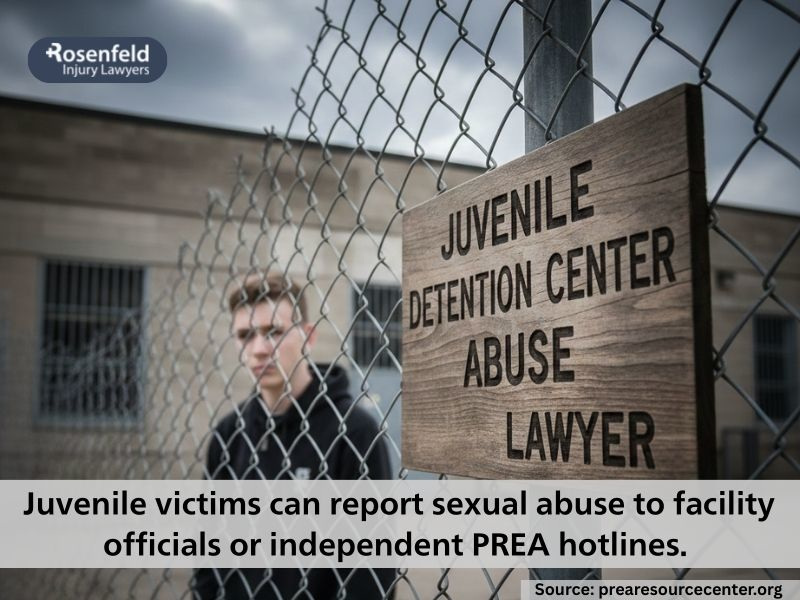
What Is a Juvenile Detention Center Sexual Abuse Claim?
A youth detention center sexual abuse claim is distinct from a criminal investigation. Rather than seeking to punish the perpetrator, civil lawsuits seek monetary damages for the harm caused by sex abuse. These claims demand accountability from facilities, which are legally required to protect youth under their care.
Who Can File a Claim Following Sexual Abuse at a Youth Detention Facility?
Survivors can take legal action against negligent staff or facilities for sexual acts during their time in custody. If the victim is underage, the victim’s parent or legal guardian can file a lawsuit on the victim’s behalf.
Disabled individuals may have a legal representative handle the process for them. For deceased victims, the person’s estate can take action.
Does Filing a Claim Require a Criminal Case or Facility Report?
No, you do not need to report abuse to file a sexual abuse claim. The civil legal process does not depend on arrests, convictions, or internal investigations. However, these separate processes can document that the abuse occurred and serve as valuable evidence for your claim.
How Do Reporting Requirements Affect Claims Against Juvenile Detention Facilities?
Juvenile detention centers are subject to the Prison Rape Elimination Act (PREA), a federal law that sets a zero-tolerance policy for sexual victimization behind bars (34 USC Ch. 303). For juvenile facilities specifically, the law requires mandatory reporting of child sexual abuse and annual reports regarding any incidents.
External reports, such as police reports, are optional but can be a valuable way to seek justice for sexual abuse.
These intersect with a civil claim by showing a history of prior complaints. For example, if the facility had a history of non-compliance with PREA guidelines, this can demonstrate institutional negligence. If a staff member was previously reported for inappropriate conduct, negligent hiring may play a role in our legal filings.
What Deadlines Apply to Juvenile Detention Center Sexual Abuse Cases?
Minors cannot file claims on their own. As such, the statute of limitations is paused until the person reaches age 18. If a parent or legal guardian is filing on behalf of the minor, then the statute of limitations begins at the time of the injury.
Each state sets its own statute of limitations on child abuse. Many states, recognizing the severe toll that child abuse can take on a person’s well-being, have extended the statute of limitations for these particular claims. Some jurisdictions have statutes of limitations of 20 years from the date the person reaches age 18.
With the extension of filing deadlines, some states have opened lookback windows or revival periods for claims that would have been time-barred before the new legislation took place. When you consult with us regarding legal representation, we will review applicable statutes and determine whether it is possible to file a revival claim.
Additionally, states have a discovery rule for the statute of limitations. This means that the statute of limitations begins when the person realized, or should have realized, that the injury occurred. The injury in this case would be the mental, emotional, or social effects of abuse.
Some individuals, particularly those who were abused as young children, may not realize that mental health conditions like Post-Traumatic Stress Disorder or substance abuse are directly connected to the assault. The law consequently offers these victims additional time to file their complaints.
To ensure that a delayed discovery case can be filed, our attorneys will gather records showing when you realized the abuse connected to your injuries, as well as contemporaneous reports from the juvenile detention center demonstrating that there were indicators of potential abuse.
What Evidence Is Important When Filing a Civil Lawsuit Against a Juvenile Detention Facility?
The evidence for a civil sexual assault case establishes when, where, and how the assault took place, as well as any institutional liability that may be involved. There are several categories of evidence that our attorneys can use to show that the juvenile facility was negligent.
Facility records, such as staff logs, surveillance footage, and internal communications, can help us determine who may have been aware of the misconduct. Incident reports or complaints also establish whether the facility had a history of ignoring concerns or failing to intervene.
Medical records can show whether you had any injuries from the assault, which will help justify damages like physical pain and suffering.
What Challenges Are Common in These Cases?
It’s crucial for survivors to seek experienced legal counsel, as institutions may attempt to stonewall attorneys and hide vital evidence. With over 100 years of combined legal experience, our attorneys are highly familiar with the procedural games that facilities will play, such as claiming that vital records are missing or heavily redacting important evidence.
Through hearings and motions, we will push the institution to provide documentation while protecting your privacy. We’ll also ensure that they do not use procedural defenses, like continually issuing continuances, in an attempt to discourage you from continuing your case.
Institutions may also attack a plaintiff’s credibility based on their detention. However, sexual abuse victims can take action even if they have a criminal record. Rule 609 of the Federal Rules of Evidence makes it clear that juvenile records can only be used as evidence if the same information would be admissible to prove a witness’s character in an adult trial.
Lastly, institutions may attempt to use mental illness as proof that a survivor is lying.
According to the U.S. Supreme Court case Jaffee v. Redmond, courts must respect the psychotherapist-patient privilege, meaning that therapists may refuse to disclose this information. Most states also have laws that provide additional confidentiality protections for psychiatric records.
We will carefully safeguard this information so that only information that is directly applicable to the case is included in discovery.
We will help you navigate these challenges to ensure the best possible chance at success. This includes managing third-party communications, filing motions to protect evidence, and working with expert witnesses to substantiate your claim.
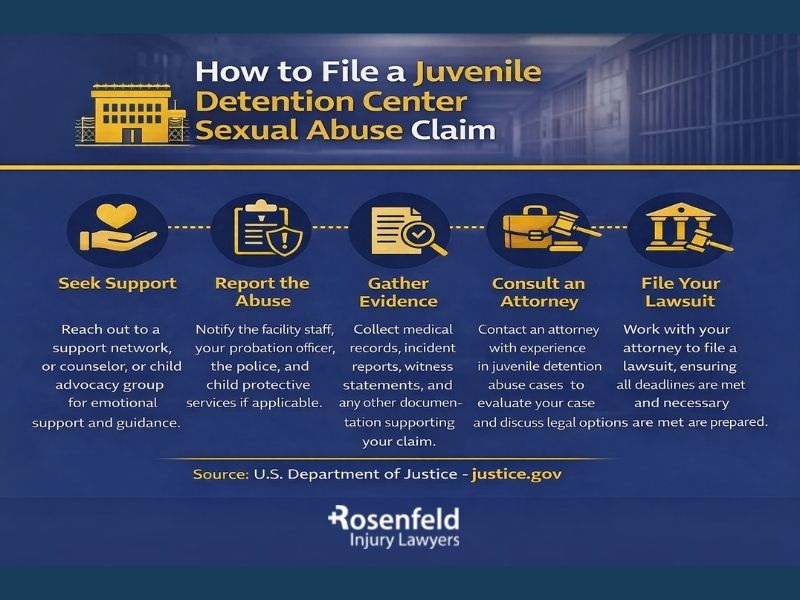
How Our Law Firm Can Help You Recover Financial Compensation
Our team will guide you through the sex abuse lawsuit process while protecting your privacy. Through our meticulous investigation process, we will uncover all relevant evidence, including statements from staff members and other detainees, and demonstrate how it proves liability.
We will calculate your damages, including lost income, pain and suffering, emotional distress, and therapy expenses, before filing a claim with the appropriate court. This provides a strong bargaining position to ensure you receive a fair settlement.
As Distinguished Justice Advocates, our role is to preserve your legal rights and reputation. We will act decisively to prevent institutions from victim-blaming, which may include filing under a pseudonym or redacting confidential information.
Our attorneys have been named to the Best Attorneys of America thanks to our compassionate and trauma-informed approach to legal advocacy. We work on a contingency fee basis: no legal fees unless we win. To schedule a free consultation with a caring lawyer, call us at 866-757-6452 or use our online contact form.
All content undergoes thorough legal review by experienced attorneys, including Jonathan Rosenfeld. With 25 years of experience in personal injury law and over 100 years of combined legal expertise within our team, we ensure that every article is legally accurate, compliant, and reflects current legal standards.