

Sexual Abuse and Assault Injury Lawyers


What Evidence Is Needed in a Mormon Church Abuse Claim?
At Injury Lawyer Team, survivors often come to us wondering what evidence is needed in a Mormon Church abuse claim and whether they have enough to come forward. We want you to know that you don’t have to carry that fear alone.
When sexual abuse involves trusted church officials, the confusion and betrayal run deep. We stand with you, we believe in your case, and we help our clients understand their rights to seek justice, protect their privacy, and begin building a path toward accountability and healing.
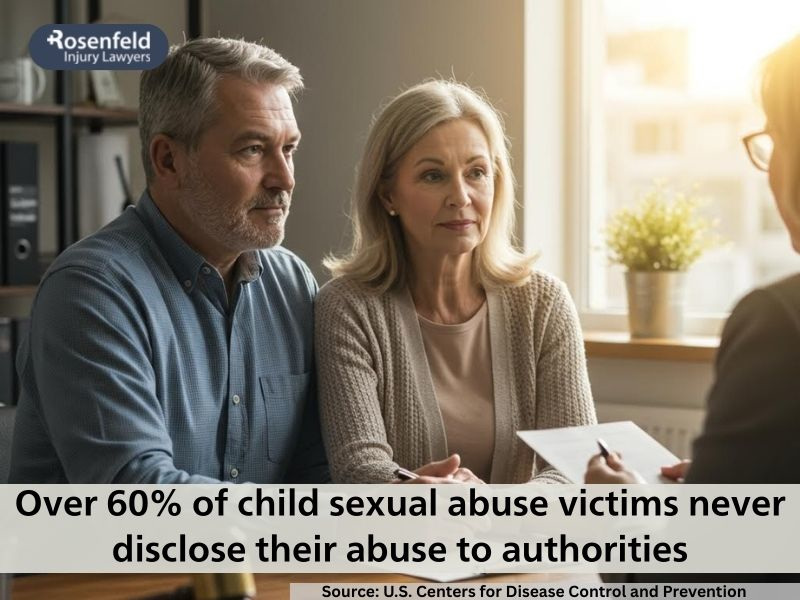
What Types of Evidence Can Support a Sexual Abuse Lawsuit Against the LDS Church?
When we take on Mormon Church sexual abuse lawsuits, our focus is on gathering evidence that reflects both the survivor’s lived experience and the institutional failures within the wider Church of Jesus Christ of Latter-day Saints structure.
Survivors often feel unsure about what they have or what “counts” as proof, but you’re not alone. We help you identify every form of evidence that may support your church sexual abuse claim.
Survivor Testimony
Your personal account of what happened is one of the most powerful forms of evidence. In many sexual abuse cases involving children, disclosure is delayed because survivors were pressured by church leadership, influenced by religious authority, or afraid of harming their families.
Even partial memories, emotional responses, and descriptions of grooming behavior can support a Mormon Church sexual misconduct claim.
Medical Records
We gather medical records showing physical injuries, psychological trauma, or long-term health effects related to the abuse. These may include emergency room visits, therapy documentation, diagnoses of PTSD or anxiety, or notes linking symptoms to sexual abuse. Medical files help demonstrate the depth of emotional distress a survivor experienced.
Forensic Evidence
Although many sex abuse cases that happened during childhood do not involve physical findings, any forensic material, such as injury photographs, past medical exams, or documented sexual trauma, helps substantiate a Mormon Church abuse claim. Even older reports can be meaningful when evaluating patterns of harm.
Statements by Family Members or Other Witnesses
Testimony from family members, church members, neighbors, teachers, or anyone who noticed behavioral changes can reinforce your experience. These statements often highlight warning signs that others missed or ignored, such as anxiety around certain church officials, abrupt mood changes, or avoidance of specific clergy members.
Records Proving Institutional Liability
To hold the institution accountable, we investigate church documents showing how leaders responded (or failed to respond) to allegations of abuse. These types of evidence may include:
- Failure to supervise youth leaders, missionaries, or clergy
- Failure to report suspected abuse to law enforcement
- Negligent hiring/retention of individuals with concerning histories
- Internal discipline records showing informal or hidden actions against offenders
- Patterns of prior allegations involving the same leader, ward, or stake
- Prior complaints made to bishops or stake presidents that were minimized or ignored
These records help demonstrate systemic negligence within the Latter Day Saints organization and the Mormon Church community.
Expert Testimony
We use expert testimony in sexual abuse cases from psychologists, trauma specialists, and institutional behavior experts who explain grooming tactics, delayed disclosure, and the psychological impact of clerical authority. Experts also help clarify how church structures may have facilitated or concealed abuse.
Electronic Communication Records
Emails, texts, social media messages, church app conversations, or deleted communications can reveal grooming, manipulation, secrecy, or pressure from clergy members. These records often provide a direct look at inappropriate conduct or attempts to discourage reporting.
Photos or Videos
Images of injuries, screenshots of messages, photos of meetinghouse rooms, or videos documenting interactions between a survivor and church officials can serve as key evidence. Even seemingly small visual details can strengthen a lawsuit.
Personal Journals
Diaries, notes, or dated journals created during or after the abuse help illustrate a survivor’s emotional state, confusion, or fear. These personal writings often contain some of the earliest documented reflections on the abuse and can be powerful evidence in abuse lawsuits.
Counseling Records
Counseling session notes from therapists, school counselors, or church-assigned mental health providers can show long-term psychological effects, early disclosures, or attempts by the members of the faith community to manage complaints internally.
What Are the Challenges of Proving Childhood Sex Abuse?
Proving sexual abuse of a child is uniquely difficult, especially when the harm occurred within a powerful religious institution. Trauma, fear, shame, and religious pressure all influence how and when a survivor is able to disclose what happened. We reassure our clients that these challenges do not weaken their claim. They are part of the reality of surviving abuse as a child.
Trauma affects the brain’s ability to store and recall events. Many survivors remember certain details clearly, while other moments feel fragmented or missing entirely. This is normal.
Delayed disclosure, partial memory, or inconsistent timelines do not undermine a survivor’s credibility, especially in cases involving trusted church leaders or church officials. Courts and experts understand how trauma shapes memory in sexual abuse survivors.
Most cases of sexual abuse do not involve physical evidence, especially when the abuse happened many years ago. There is no requirement for medical findings, photographs, or forensic proof to move forward. Survivor testimony, witness statements, counseling session notes, and patterns of institutional misconduct often provide more than enough support for a Mormon Church sex abuse claim.
Modern laws, including reforms to the child abuse statute of limitations, recognize that children often cannot report abuse until adulthood. These expanded timeframes allow many survivors to file a civil lawsuit even decades later. Our firm helps clients understand how these laws apply to their situation and whether they still have the right to pursue accountability.
How Injury Lawyer Team Can Help Throughout the Legal Process
When survivors come to us with questions about evidence, we want them to know they don’t have to gather everything on their own.
In church abuse lawsuits, evidence collection is often the most overwhelming part of the process, especially when the abuse involved church leaders, church members, or trusted officials within the LDS Church. We take on that burden for our clients, step by step, with compassion and confidentiality.
We search for institutional records, past complaints, internal documents, and communication patterns that may show how church authorities responded to abuse allegations.
We track down witnesses, former LDS members, and individuals who may have observed red flags. Our team obtains medical records, therapy notes, and documents that demonstrate the emotional distress and long-term impact of childhood sexual abuse.
We also coordinate with experts who can provide insight into trauma, grooming behavior, and institutional negligence. When needed, we issue subpoenas, preserve electronic communication records, secure social media data, and work with investigators experienced in church sexual assault cases.
Throughout the entire process, we protect your privacy, support you at your pace, and make sure you’re never left navigating evidence gathering or litigation alone.
Free, Confidential Consultations for Sexual Assault Survivors
When survivors reach out to us, they often want to know whether they can pursue civil sexual abuse lawsuits or how a sexual misconduct claim against a powerful religious institution works. As a firm known for handling sexual abuse litigation, including those against churches and clergy members, we bring deep experience and a survivor-centered approach to every case.
Over the years, we’ve built a reputation founded on compassion, accountability, and meaningful results: with over 5,000+ clients helped, $450M+ recovered for survivors, a 98% success rate, and 100+ years of combined experience. We are available 24/7, because survivors deserve answers and support whenever they’re ready.
Our attorneys have earned recognition, professional memberships, and respected honors from leading legal organizations, including:
- Million Dollar Advocates Forum
- Super Lawyers®
- A+ Rating with the Better Business Bureau
- Contributing Author for The National Law Review
- AVVO Rating of 10/10
We handle every sex abuse claim on a contingency fee, meaning you never pay upfront costs and owe nothing unless we win for you. If you’re ready to talk, learn your options, or simply ask questions in a safe, supportive space, we offer a confidential and free consultation to every survivor.
Contact us today. We will stand with you every step of the way.
All content undergoes thorough legal review by experienced attorneys, including Jonathan Rosenfeld. With 25 years of experience in personal injury law and over 100 years of combined legal expertise within our team, we ensure that every article is legally accurate, compliant, and reflects current legal standards.