

Sexual Abuse and Assault Injury Lawyers


The LDS Helpline Scandal
At Injury Lawyer Team, we confront hard truths in cases involving child abuse tied to the Church of Jesus Christ of Latter-day Saints. We must name the LDS Helpline scandal because it is central to modern sexual abuse allegations involving the LDS Church, its leaders, and the way abuse reports were routed through internal systems instead of directly to the police.
We work with sexual abuse victims and families seeking answers about how the Help Line operated, why church lawyers and the church’s risk management division were involved, and how decisions made in Salt Lake City shaped reporting across the country. As experienced LDS Church sexual abuse attorneys, we stand with you, and we believe in your case.
These cases often involve deeply personal experiences, including spiritual confession, relationships with a bishop, and the trauma of being sexually assaulted by someone trusted in the church community.
Survivors frequently express confusion about who to call, whether to report abuse to authorities, and how the Help Line and lawyers influenced those decisions. Our law firm approaches every story with care, clarity, and a trauma-informed focus on protecting children and holding institutions accountable.
How the LDS Church Used the Help Line in Child Sexual Abuse Reports
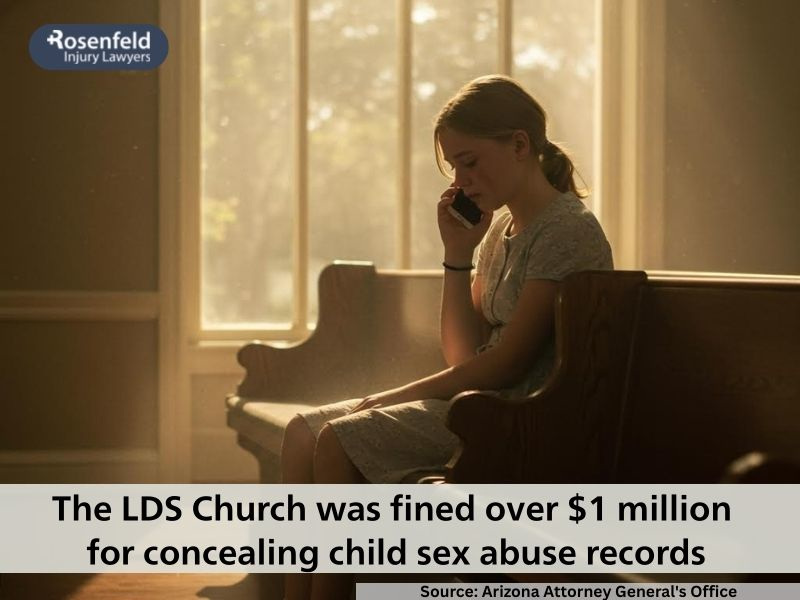
The stated purpose of the Help Line was to provide guidance to local church leaders, including bishops and other members, when they received reports of child abuse or sex abuse involving church members. It was presented as a resource to help leaders understand how to respond in difficult situations, comply with the law, and address serious allegations.
However, according to survivor stories, audio recordings, sworn statements, and investigative reporting, many bishops depended heavily on this system because the LDS Church relies on a lay clergy model.
These are not full-time trained professionals. They are ordinary members of the Mormon Church, sometimes juggling employment, family, and church responsibilities. When confronted with reports of children being sexually abused, some felt unprepared and turned immediately to the Help Line for direction.
In several cases, including a noteworthy and specific case tied to Paul Adams, his wife Leizza Adams, and the Adams children, the issue was not whether abuse occurred, but how the line, lawyers, and the church’s risk management playbook guided next steps.
Survivors alleged that instead of telling leaders to immediately call the police or report abuse to civil authorities, advice prioritized confession processes, internal handling, or legal risk concerns.
Why Mormon Church Abuse Allegations Often Point Back to Salt Lake City Decision-Making
A critical theme across similar allegations is the centralized role of Salt Lake City. The oversight of the Help Line, the development of internal policies, and coordination with lawyers and the church’s risk management division were all directed from headquarters. This is why so many Mormon Church cases and civil lawsuits reference Salt Lake City as a focal point of decision-making.
Instead of each local Mormon temple responding independently to abuse reports, leaders were instructed to call a centralized system. That means that responses to childhood abuse and sexual exploitation were not isolated incidents. They followed a common playbook that was shaped at the highest levels of the Church of Jesus Christ of Latter-day Saints.
For victims, this matters. They weren’t just harmed by an individual abuser or by one bishop who made a wrong choice. They were potentially harmed by a larger structure: a religious institution with a coordinated approach to handling allegations, calls, stories, reports, and internal documentation.
Understanding this centralized control is essential when analyzing responsibility in sexual assault cases and preparing a lawsuit.
Associated Press Findings and Their Influence on LDS Abuse Cases
The role of national media cannot be ignored in these stories. The Associated Press, along with other journalists, conducted in-depth reporting on how the Help Line operated. Through interviews, documents, sworn statements, audio recordings, and court filings, the Associated Press brought global attention to what had previously been treated as internal church business.
These reports detailed cases involving the abusive father from Arizona, Paul Adams, his wife and mother of multiple children he abused, Leizza Adams, and situations in which leaders and legal counsel were informed, but the information did not immediately reach police or other authorities.
The AP obtained internal calls, decisions guided by attorney-client privilege, and advice that some believe prioritized limiting liability over public safety. The AP also interviewed MJ, Paul’s daughter, who was just 5 years old when her father started molesting her.
As survivors began to read these stories, many realized that their own experiences were not isolated. They were part of a broader pattern. These findings have directly influenced new lawsuits, renewed investigations, and a growing willingness among victims to speak publicly about abuse within the LDS Church.
How the Help Line Affected Abuse Claims Within the Mormon Church
The evidence needed in an LDS Church abuse claim often includes records of calls made to the Help Line, notes from bishops, communications with lawyers, internal memoranda, and any documentation created by the organization’s risk management division.
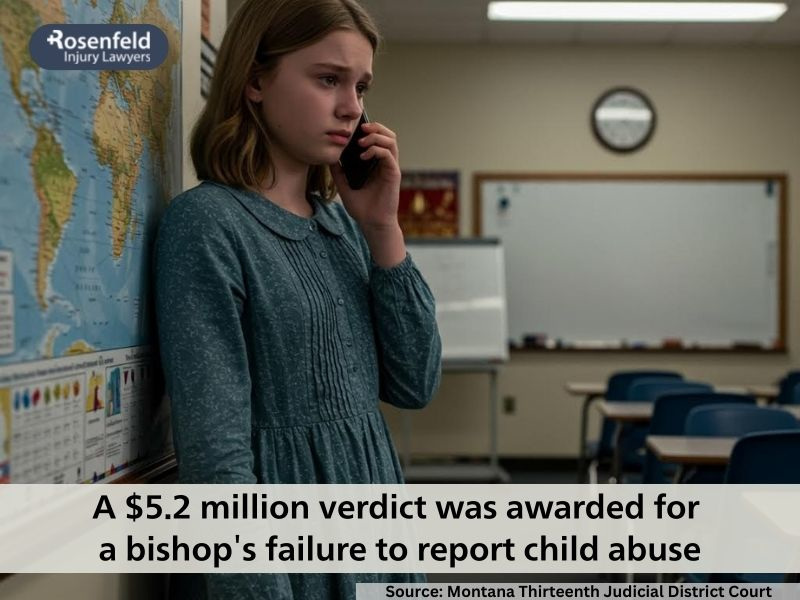
Survivors allege that the system caused delays, confusion, or a failure to report abuse to civil authorities in a timely manner. In some cases, police were never called until years later. In others, prosecutors dropped cases because reporting timelines were complicated, memories faded, or evidence had been lost.
These failures now help establish institutional knowledge, prior notice, and the ways in which the church responded to sexual abuse allegations. When we work on a civil claim, we examine every detail: when a bishop made a call, what he was told, whether the authorities were contacted, and how the church line, the law, and internal control interacted in that moment.
Clergy-Penitent Privilege and Its Role in LDS Church Abuse Allegations
Clergy-penitent privilege is often raised in LDS Church abuse allegations because it can protect communications made during spiritual confession with a clergy member. While intended to preserve religious privacy, its use in cases involving child sexual abuse and sex abuse is highly controversial, as it may shield information about ongoing abuse from law enforcement.
In some situations, bishops claimed they could not report what they heard in confession, yet were able to discuss the matter with church lawyers under attorney-client privilege. This dual layer of confidentiality sometimes created a legal barrier to intervention. For survivors, this has felt like a betrayal of trust, where silence was protected instead of victims.
The LDS Helpline Scandal Compared to Catholic Church Abuse Cases
Survivors and advocates have noted similarities between the LDS Helpline scandal and Catholic Church abuse reports, including secrecy, internal handling of allegations, and placing reputation over transparency.
Still, what makes LDS Church lawsuits legally unique is the lay clergy system, the centralized Help Line reporting requirements, and the church’s risk management playbook, which differ from the Catholic Church’s hierarchical structure.
Despite these differences, the impact on survivors is the same. Children, women, and men who were sexually assaulted experience lasting trauma that affects their lives, faith, and sense of safety.
How Our Law Firm Can Help
At Injury Lawyer Team, we represent survivors in LDS Church sexual abuse lawsuits and related civil lawsuits involving sexual misconduct, child abuse, and sex abuse tied to religious organizations.
We understand how difficult it is to speak about being sexually assaulted, especially when your experiences involve your faith, your priest, and your community. Many survivors feel isolated, ashamed, or afraid to come forward. That is why we approach every case with compassion, respect, and unwavering commitment to protecting children and exposing abuse.
Our work includes:
- Listening to you in a safe, private, and respectful setting
- Reviewing all available documentation, communications, and official records related to what happened
- Examining how internal policies, outside involvement, or organizational decision-making affected your situation
- Identifying potential failures to report, act, or protect
- Evaluating how confidentiality rules may have shaped what was shared and what was withheld
- Pursuing accountability through the civil legal system against all responsible parties
All of our cases are handled on a contingency fee basis, which means you do not pay us any legal fees unless we recover compensation on your behalf. We also offer a free, confidential consultation so you can speak with our sexual abuse attorneys, ask questions, and understand your options without pressure.
If you or someone you love has been affected by the LDS Helpline scandal and child sexual harassment, contact us today. We are here to listen and pursue justice with you.
All content undergoes thorough legal review by experienced attorneys, including Jonathan Rosenfeld. With 25 years of experience in personal injury law and over 100 years of combined legal expertise within our team, we ensure that every article is legally accurate, compliant, and reflects current legal standards.