

Sexual Abuse and Assault Injury Lawyers


State Revival Laws in LDS Abuse Cases
At Injury Lawyer Team, we stand with survivors seeking justice through state revival laws in LDS abuse cases, providing a path forward when the original statute of limitations once made their claims feel impossible.
As experienced Mormon Church sexual abuse lawyers, we focus on supporting individuals harmed within the LDS Church and other religious institutions where child sexual abuse and long-ignored allegations were hidden, minimized, or mishandled by church leaders.
Through compassionate, survivor-centered representation, we help our clients understand their rights, explore whether they can file lawsuits, and take meaningful action, even when the abuse occurred a long time ago and was once considered time-barred.
What Are State Revival Laws for Child Sexual Abuse?
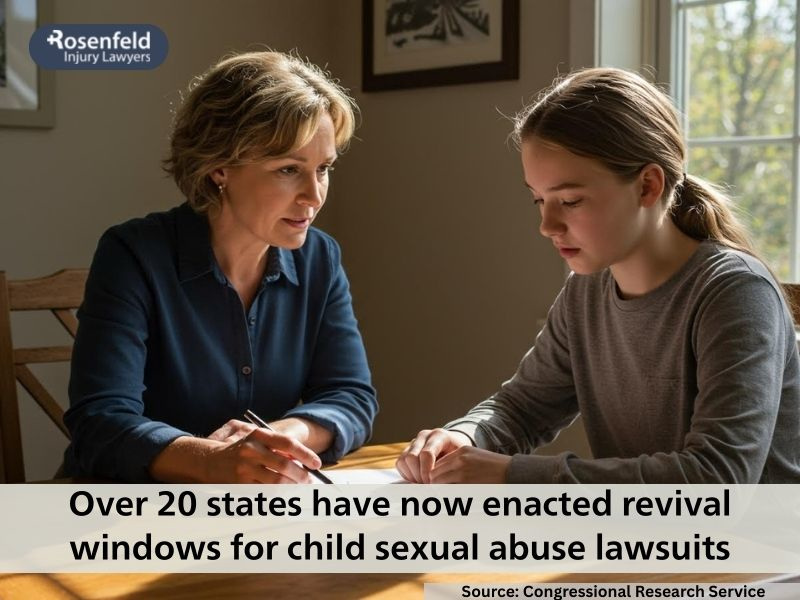
State revival laws, also known as look-back windows, SOL revival, or retroactive civil filing windows, are legal changes that reopen deadlines for childhood sexual abuse claims that were previously closed under a state’s statute of limitations.
These laws may create a temporary period to file claims or permanently extend the right to pursue civil lawsuits for child sexual abuse, even when the abuse happened many years ago.
In LDS Church cases, these laws are especially vital. Many survivors were raised in tight-knit Latter Day Saints communities where reporting sexual misconduct allegations to church leaders, such as bishops or stake presidents, was often prioritized over reporting to police. In some cases, survivors were told to forgive, stay silent, or trust that the Church of Jesus Christ would handle the matter internally.
This culture left countless sexual abuse victims believing they had no legal options once their cases became time-barred. Revival laws now give survivors a renewed opportunity to pursue justice, file lawsuits, and hold the Mormon Church and other religious institutions accountable.
Why Revival Laws Matter in LDS Church Lawsuits and Sexual Abuse Allegations
Revival windows are uniquely significant in LDS church cases because of the cultural and institutional dynamics that shaped how sexual abuse was handled inside the Church of Jesus Christ of Latter-day Saints.
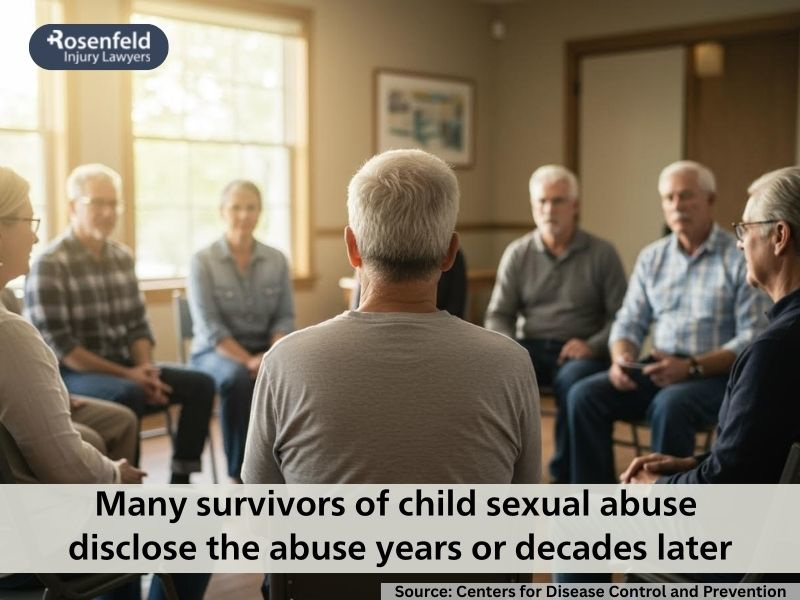
Many survivors experienced delayed disclosure due to shame, rigid religious expectations, purity culture teachings linked to the LDS Church traditions, and fear of disciplinary action from church heads. As a result, countless survivors suffered in silence, believing they were at fault or spiritually unworthy.
Internal reporting systems within the Mormon Church, including bishops, stake presidents, and mission authorities, often took the place of external reporting. Survivors who came forward were commonly discouraged from contacting police or seeking outside help.
In some cases, the LDS Help Line allegedly routed sexual abuse reports away from law enforcement and toward church attorneys, reinforcing a system of institutional control rather than protecting victims or promoting child safety.
Because abusers were frequently trusted authority figures, many survivors felt trapped by the insular structure of religious institutions tied to Latter Day Saints teachings.
Revival laws help counteract these decades of suppression by reopening access to civil action, allowing survivors to file lawsuits, pursue accountability and justice, and finally hold the LDS church and its leadership accountable for known abuse, further abuse, and the systemic failures that allowed more victims to be harmed.
Clergy-Penitent Privilege in LDS Sexual Abuse Lawsuits
LDS Church sexual abuse lawsuits are legally unique because of how clergy-penitent privilege functions inside the LDS Church. This doctrine is meant to protect confidential spiritual communications, but in many cases it has been used to keep information about abuse and other serious misconduct allegations out of the hands of law enforcement and the courts.
For many victims, the only report of abuse took place during a private conversation with a bishop. Because that communication was considered privileged, critical details were never shared externally, leaving sexual abuse victims unprotected.
Revival laws help override that silence by reopening access to litigation, allowing survivors to file civil claims, expose hidden abuse, and hold church institutions accountable.
How State Revival Laws Work for LDS Survivors
State revival laws operate differently across the country. Some states open a temporary 1–3 year window allowing survivors to file expired childhood abuse claims, as seen in states like New York and California. Others permanently extend the statute of limitations on sexual abuse, raising the filing age to 40, 55, or removing the limit entirely.
What matters most is where the incident happened, not where the survivor lives today. This is especially important for members of the LDS Church, many of whom moved between states or served missions in places like California, Arizona, Utah, and Idaho, all of which have seen revival laws affect LDS church cases and related civil lawsuits.
Because these rules are complex and location-based, survivors should speak with a qualified church abuse attorney to determine whether they can still file claims and what deadlines apply to their specific case.
The Impact of Revival Laws on Litigation Involving LDS Church Leaders
Since revival windows opened, there has been a significant increase in sexual abuse lawsuits filed against LDS-related entities, including local wards, stakes, Boy Scouts–connected units, mission homes, and other church-run programs. These cases are no longer limited to individual abusers, but also extend to the systems that enabled harm.
Previously sealed records and internal documents have been unsealed, revealing how past abuse allegations were handled, delayed, or minimized. LDS sexual abuse lawsuits now name bishops, youth leaders, missionaries, seminary teachers, and other church-affiliated volunteers whose authority once shielded them from scrutiny.
As a result, the LDS Church is facing increased scrutiny over historical patterns of concealment and failed oversight, exposing institutional negligence that allowed abuse to continue across generations, not just isolated acts by a few individuals.
What Survivors Should Know Before Filing an LDS Sexual Abuse Claim
Where the abuse took place determines which revival law applies, not where you live now. Multiple states may be involved if the abuse occurred during LDS missions, relocations, or church assignments in different locations.
Even if the harm occurred decades ago, meaningful evidence may still exist, including personal journals, mission paperwork, medical records, witness statements, and church communications.
Survivors may still be able to file lawsuits even if:
- The abuser has died
- They previously reported the abuse through internal LDS channels
- The church dismissed or minimized their disclosure
- The original deadline passed years ago
In many cases, revival laws reopen opportunities that once seemed lost, allowing survivors to finally seek justice.
Why Immediate Action Still Matters
Revival windows do not remain open forever. Once a window closes, a sexual abuse case that was temporarily permitted may become permanently barred again under the statute of limitations.
While some look-back periods in states like California and New York have already expired, others, including certain claims recognized through the Arizona court and Arizona appeals court rulings, remain limited, narrow, and highly time-sensitive.
This means that survivors of abuse that occurred inside the Church of Jesus Christ of Latter-day Saints may only have a short opportunity to pursue LDS sexual abuse lawsuits and related claims before the door closes again.
In many cases, prior barriers such as clergy-penitent privilege, institutional silence, or expired filing deadlines prevented survivors from taking any action. Revival laws temporarily remove those barriers, but only for a specific window of time.
Your window may be months away from closing. Reaching out now can protect your right to move forward, preserve critical evidence, and keep your legal options open. We are here when you’re ready.
Injury Lawyer Team Can Help You Seek Justice Even If the Abuse Happened Decades Ago
At Injury Lawyer Team, our sexual abuse lawyers are committed to uncovering the truth when leaders failed, institutions covered up harm, and survivors were left carrying the burden alone. We help clients pursue sexual abuse lawsuits even when the assault happened a long time ago and caused lasting serious injury: emotional, psychological, and physical.
Our focus is on holding the church accountable, with survivors’ voices heard and respected. Survivors deserve the opportunity to take back control, regardless of their average age at the time they are finally ready to come forward. Our process is rooted in compassionate support, and we offer a free, confidential consultation to discuss your options in a safe, private setting.
We handle cases on a contingency fee basis, meaning you owe no legal fees unless we obtain a recovery on your behalf. If you are considering legal action, know that you are not alone, and we are ready to help you take the next step.
All content undergoes thorough legal review by experienced attorneys, including Jonathan Rosenfeld. With 25 years of experience in personal injury law and over 100 years of combined legal expertise within our team, we ensure that every article is legally accurate, compliant, and reflects current legal standards.