

Sexual Abuse and Assault Injury Lawyers


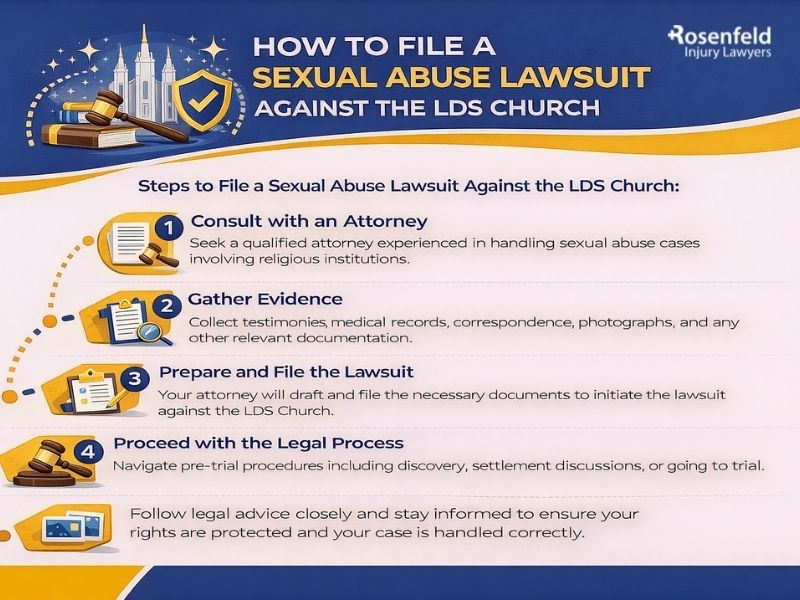
How to File a Sexual Abuse Lawsuit Against the LDS Church
At Injury Lawyer Team, we stand with survivors who are trying to understand how to file a sexual abuse lawsuit against the LDS Church and take meaningful steps toward accountability and healing.
We know how difficult it can be to confront a powerful religious institution after being sexually abused, but you are not alone, and we believe in your case. If you are searching for an experienced LDS Church sexual abuse lawyer, our firm is here to guide you through every step of the legal process with respect, clarity, and care.
Across the United States, more sexual abuse victims, including both children and adults, have come forward with allegations involving the Church of Jesus Christ of Latter-day Saints and local church leaders who failed to protect them.
Some of these survivors were abused by bishops, youth leaders, missionaries, volunteers, and other church members as children. Others experienced clergy sexual abuse as adults involving trusted religious leaders within the Mormon Church.
No matter when the abuse occurred, we are here to help you explore your legal options, seek justice, and take steps to prevent future misconduct and life-threatening harm to others.
Step 1: Confirming Eligibility for a Mormon Sexual Abuse Lawsuit
The first step in pursuing an LDS Church lawsuit is determining whether you are legally eligible to bring a sex abuse lawsuit against the institution or individual perpetrators.
At our firm, we carefully evaluate several factors to determine eligibility:
- The nature of the abuse: We look at whether the conduct involved a minor and who the perpetrator was. These acts may include inappropriate touching, assault, exploitation, grooming, coercion, or rape.
- Your age at the time of the abuse: Whether you were a minor or an adult when the abuse took place matters. Many child sex abuse claims receive additional protections under the law.
- The role of the perpetrator: We determine whether the person who harmed you was a bishop, youth leader, missionary, teacher, volunteer, or other representative of the LDS Church. If the individual acted in an official role, the Church itself may be held legally responsible.
- Internal reporting and response: If you reported the abuse to LDS Church leaders or other church officials, we consider how they responded. Did the Church protect you, or did it protect the abuser? Did the LDS Church members ignore, minimize, or suppress your report?
- Statutes of limitations and revival laws: Even if the abuse happened decades ago, abuse survivors may still have a valid claim. Certain state revival laws related to Mormon sexual abuse claims give survivors a new window to pursue legal action that was previously unavailable. We evaluate your timeline closely to determine your eligibility to file lawsuits today.
Many adult survivors wrongly assume they have “waited too long.” In reality, thousands of adult survivors have recently been able to move forward with lawsuits because of changes in the law. If you were sexually assaulted years ago, we encourage you to reach out. Your voice still matters.
Step 2: Gathering Initial Evidence Against the Religious Institution
A critical part of knowing how to file a sexual abuse lawsuit against the LDS Church is understanding what evidence is required to do so. Many survivors worry that they do not have enough evidence needed to file an LDS Church sexual abuse lawsuit, but we reassure our clients that a lack of formal records does not automatically prevent a successful abuse lawsuit or civil claims process.
Common types of evidence may include:
- Journals, emails, letters, or personal writings describing sexual abuse
- Mission records, membership transfers, or proof of involvement in the LDS Church
- Ward or stake assignments connecting you to the perpetrator or location
- Communications with bishops or leaders in the Mormon Church
- Notes, memories, or recollections about when and how the sexual assault occurred
- Statements or confirmation from witnesses, friends, or family members
- Medical records, therapy notes, or counseling documentation if you sought treatment
- Prior abuse allegations against the same person
We understand that many child sexual abuse survivors do not preserve documentation, and that is completely normal. During the legal process, our team often uncovers crucial evidence through formal investigation and discovery. Even if you feel you have “nothing,” we may be able to obtain internal documents that the Church never shared with you.
Step 3: Evaluating Institutional Involvement by the Mormon Church
In LDS church abuse lawsuit cases, one of the most important questions is: What did the Church know, and when did they know it? This step focuses on how the institution responded, or failed to respond, after the abuse was reported or suspected.
Key factors we analyze include:
- Whether local church leaders discouraged you from reporting the abuse to outside authorities
- Whether the LDS Church Help Line was contacted after the abuse was revealed
- Whether religious leaders invoked the clergy-penitent privilege to avoid disclosing known risks
- Whether the abuser was allowed to remain in a position of authority around church members, children, or other vulnerable individuals
- Whether the church failed to alert other members or take protective action
- Whether the Church prioritized its reputation over protecting victims
These elements are often central to establishing institutional negligence. They help demonstrate a pattern of sexual abuse involving Church leadership, institutional silence, or efforts to avoid accountability.
In many cases, including those reported by the Associated Press, it becomes clear that the Church had opportunities to stop future abuse but failed to act. When this happens, the religious institution itself can face liability in a lawsuit against the LDS organization.
Step 4: Filing the LDS Church Lawsuit
Once we gather enough information, we begin the process of filing your sexual abuse lawsuit against the appropriate parties.
This step includes:
- Drafting the legal complaint: We outline exactly what happened, how the sexual abuse occurred, who was responsible, and how the LDS Church contributed to your harm.
- Identifying defendants: This may include the individual abuser, local church officials, church leaders, and the broader Church of Jesus Christ of Latter-day Saints organization.
- Filing in the proper court: Jurisdiction matters. We determine where the case should be filed based on where the abuse took place and where responsible parties are located.
- Serving the Church: The lawsuit must be formally delivered to the Church’s legal representatives.
Claims in a Mormon Church lawsuit frequently include:
- Negligent supervision
- Failure to report
- Cover-up of known risks
- Endangerment
- Emotional and psychological damages
- Failure in preventing life-threatening harm
- Loss of trust and safety
Throughout this process, we provide steady guidance, compassionate support, and experienced legal counsel every step of the way.
Step 5: Civil Discovery When Filing Lawsuits
Discovery is one of the most powerful stages in LDS sexual abuse lawsuits.
During this phase, we can:
- Demand internal Church communications
- Obtain training materials and protocol documents
- Request records tied to the LDS Church Help Line
- Question bishops, stake presidents, and other church officials under oath
- Search for prior child sex abuse claims and abuse allegations
- Identify patterns within the Mormon Church sex abuse system
In many cases, discovery reveals information survivors were never told: warnings ignored, reports dismissed, or dangerous individuals relocated rather than removed. This evidence often becomes the backbone of strong sexual abuse civil claims.
Step 6: Sex Abuse Settlement Negotiations and Possible Trial
Most Mormon Church adult or childhood sexual abuse cases conclude in one of two ways:
Settlement
An out-of-court settlement may include:
- Financial compensation
- Confidentiality protections if desired
- Acknowledgment of wrongdoing
- Policy changes within the organization
- Steps aimed at preventing future abuse
Many cases resolve through settlement talks because of reputational concerns and the complexity of internal Church documentation.
Trial
Some adult or child sexual abuse cases proceed to trial, where we present your evidence before a judge and jury. This includes:
- Survivor testimony
- Expert witnesses
- Documentation uncovered in discovery
- Evidence of institutional failure
While trials can be demanding, they may also result in accountability, impact, and societal change. Our firm firmly stands beside our clients through whichever path their case follows.
FAQs
How long does it take to file a sexual assault lawsuit against the Mormon Church?
The general timeline for LDS sexual abuse lawsuits includes:
- Initial evaluation
- Investigation and evidence gathering
- Filing the civil lawsuit
- Discovery and depositions
- Negotiation and resolution
Some adult or child sex abuse cases may resolve in months, while others extend into multiple years depending on complexity, cooperation from the Church, and the court’s schedule.
How long after the sexual abuse occurred can survivors take legal action?
Thanks to revival laws related to Mormon sexual abuse cases, even those whose abuse happened long ago may now have an opportunity to bring legal action. These laws temporarily reopen time limits, allowing adult survivors of child sexual abuse to seek justice.
Do victims need medical records to support an LDS Church abuse lawsuit?
Medical documents can be helpful, but they are not required in sex abuse cases. Survivors can still pursue civil lawsuits using witness statements, personal journals, church documents, and other forms of proof.
How Injury Lawyer Team Helps Sexual Abuse Victims File Lawsuits Against the LDS Church
At Injury Lawyer Team, we are devoted to helping sexual abuse victims through every stage of sexual abuse lawsuitsinvolving the LDS Church and other religious organizations, including the Catholic Church.
We assist with:
- Any questions regarding how to file a sexual abuse lawsuit against the LDS Church
- Case evaluation and lawsuit eligibility review, including an in-depth discussion of how the abuse happened and whether your experience qualifies for legal action
- Evidence collection and investigation, where we help uncover documentation, witness information, and institutional records that may support your case
- Filing sexual abuse claims and court representation, ensuring every step of the legal process is handled with care, professionalism, and respect for your privacy
- Negotiation and out-of-court settlement options, working to resolve your case in a way that prioritizes your safety, dignity, and long-term healing
- Trial preparation, if your case proceeds to court, including preparing testimony, organizing evidence, and standing beside you throughout every phase
- Ongoing legal and emotional support, so you never feel alone as your case develops and your journey toward justice continues
We handle these cases on a contingency fee basis, meaning there is no out-of-pocket cost to you and no legal fees unless we recover compensation on your behalf. Your consultation with us is always free and completely confidential.
If you are ready to explore your options or simply gather information, we invite you to contact our team today. We believe in your case, and we are here to help you report abuse, file claims, seek justice, protect other victims, and move forward.
All content undergoes thorough legal review by experienced attorneys, including Jonathan Rosenfeld. With 25 years of experience in personal injury law and over 100 years of combined legal expertise within our team, we ensure that every article is legally accurate, compliant, and reflects current legal standards.