

Sexual Abuse and Assault Injury Lawyers


Migrant Shelter Sexual Abuse Survivors’ Legal Rights
At Injury Lawyer Team, we stand with immigrant survivors who are searching for answers about migrant shelter sexual abuse survivors’ legal rights and wondering where to turn after experiencing abuse, violence, or exploitation.
When sexual abuse, domestic violence, human trafficking, or abuse of a child occurs in a place that is supposed to offer safety and support, the betrayal can feel overwhelming. Many survivors fear speaking out because of their immigration status, language barriers, or threats from abusers, but you are not alone.
Our firm believes in your case, and we are committed to helping survivors understand their legal rights, access protection, and move toward safety, accountability, and healing.
What Types of Abuse Are Common in Migrant Shelters?
Abuse in migrant shelters comes in many forms, and it can involve staff members, contractors, other residents, organized criminal groups, or even intimate partners.
In these environments, survivors may feel trapped, powerless, or afraid to alert authorities of abuse because they depend on the shelter for housing and food. Many victims are women and children who have already fled violence, only to face additional harm in a system that should be protecting them.
Below are some of the most common and devastating forms of abuse reported in migrant shelters and related facilities.
Domestic Violence
Domestic violence can occur within families living in shelters or when an abusive partner or another family member locates a survivor inside the system.
Domestic violence survivors may face physical violence, emotional abuse, sexual abuse, threats, isolation, and control over communication or movement. For immigrant women, this abuse often includes threats related to migrant status, deportation, or retaliation.
Countless survivors are told that disclosing abuse will lead to loss of housing, separation from children, or loss of public benefits and health care. These threats are meant to silence them. We want survivors to know that they still have legal rights, even without lawful immigration status. No one has the right to harm or control them.
Human Trafficking
Human trafficking targets immigrants who are isolated and in need of safety or financial income. It may involve sexual exploitation, forced labor, or coercion through violence, lies, or debt. Traffickers often pretend to be helpers or employers while exploiting power imbalances.
Human trafficking is a serious violation of federal law and a form of potential gender-based violence. Many victims do not realize what is happening at first. We help immigrant victims identify trafficking and take steps toward protection and safety.
Child Abuse
Child abuse in migrant shelters can include neglect, physical harm, emotional trauma, sexual harassment, and child sexual abuse. Children are most vulnerable when supervision is limited or systems fail to intervene on time.
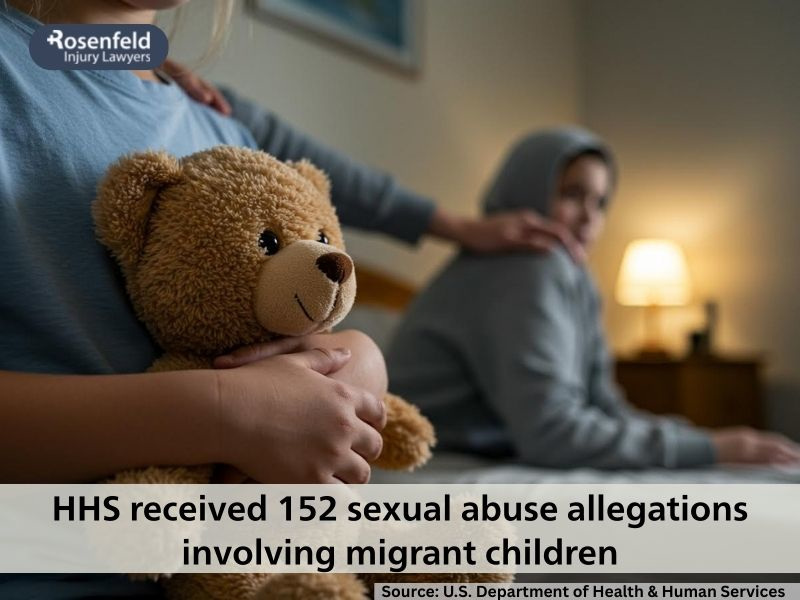
Under 6 U.S.C. § 279(g)(2), unaccompanied alien children are placed in the care of Health and Human Services. Even in these settings, numerous survivors report unsafe conditions and abuse in government or contractor-run facilities. These children have legal rights, and violations may provide legal grounds to demand accountability.
Sexual Assault
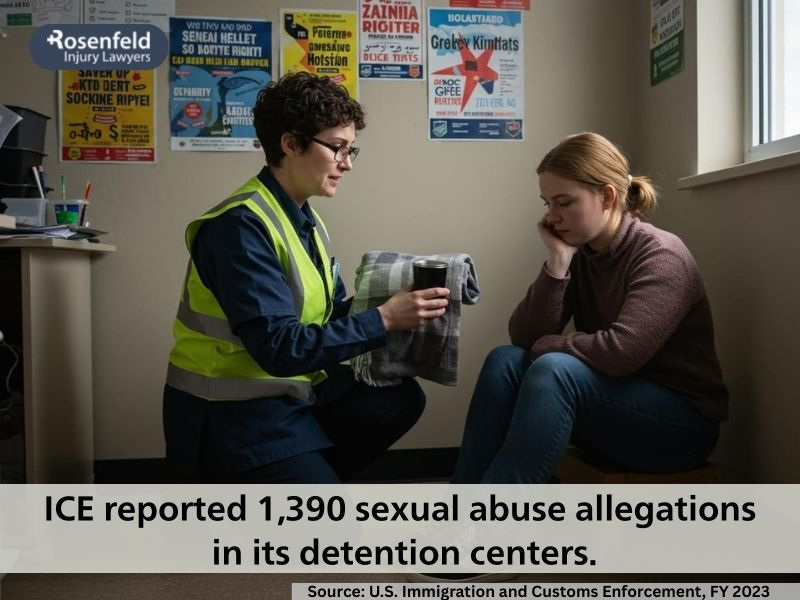
Sexual assault, sexual abuse, and sexual harassment in migrant shelters are widespread but underreported. Survivors may face rape, coercion, exploitation, or be forced into sexual acts in exchange for food, safety, or immigration assistance. In many cases, abuse is committed by staff or contractors, or enabled by a facility’s failure to protect residents.
The term detention center misconduct refers to illegal and abusive actions by facility staff, including sexual assault, retaliation, or denial of medical attention. Survivors may be entitled to pursue civil claims and protection from extreme hardship. Consent obtained through fear, threats, or power imbalance is not consent. Survivors are not to blame, and they deserve to be heard and supported.
What Laws Are in Place to Protect Immigrant Survivors of Abuse?
Regardless of your immigration status or legal status, you have legal rights as a migrant survivor of domestic violence, sexual assault, sexual violence, human trafficking, child maltreatment, or detention-style abuse. Below are the key national laws that protect you and outline your options for protection, benefits, and accountability.
- Trafficking Victims Protection Act of 2000 (TVPA) – Foundation law addressing human trafficking, slavery, and involuntary servitude, including protections for immigrant survivors.
- Trafficking Victims Protection Reauthorization Act of 2022 (TVPRA 2022) – Reauthorizes and enhances the TVPA; strengthens penalties and services for trafficking survivors.
- Violence Against Women Act (VAWA) – Allows certain immigrant victims of domestic violence and gender-based violence to self-petition for lawful residency status without relying on their abuser.
- William Wilberforce Trafficking Victims Protection Reauthorization Act of 2008 – Earlier reauthorization that expanded protections, including for children and unaccompanied minors.
- Human Trafficking Prevention Act of 2022 – Amends the TVPA to improve screening, posting of hotlines, and protections for trafficking survivors. Full text
- Interstate Stalking and Domestic Violence Crime Act and related federal statutes (e.g., 18 U.S.C. § 2261, 2262) – These criminal law statutes apply when an abuser crosses state lines and use immigration threats as control.
- Civil Rights Act of 1871 – 42 U.S.C. § 1983 – Enables civil suits when state actors (including those running shelters or detention centers) under color of law deprive you of rights.
Always remember that you have basic rights. Even if you lack lawful residency status, you cannot be legally denied safety, protection from abuse, or access to human services just because of residency status or because you are a migrant survivor.
These laws open doors for immigrants to benefits, such as U visas, T visas, VAWA self-petitions, and more, especially if you are a survivor of trafficking, domestic violence, sexual assault, or child maltreatment. They also allow you to hold individuals, shelters, detention centers, and government agencies accountable when they fail in their duty to protect you or your children.
What Legal Grounds Can Immigrant Victims Rely on to File Civil Lawsuits?
We know you might wonder: “Can I sue?” The answer is often yes. Civil lawsuits against immigration detention facilities give you another pathway to justice, separate from criminal prosecution and immigration relief. Below are the main legal grounds our firm uses when working with immigrant survivors.
- State tort law claims:
- Assault, battery, sexual assault, and intentional infliction of emotional distress
- Negligence, negligent hiring/supervision/retention by shelters or detention centers
- Premises liability when unsafe conditions facilitate abuse or violence
- Federal civil remedy for human trafficking (18 U.S.C. § 1595): Gives trafficking survivors the right to sue traffickers and entities that knowingly benefit from trafficking ventures.
- Civil rights claims under 42 U.S.C. § 1983: When state or local government actors (or private entities acting under color of law) fail to protect you, allow abuse, or retaliate after reporting abuse.
- Federal Tort Claims Act (FTCA): If federal employees or facilities negligently cause harm (including sexual assault, denial of medical treatment, detention center misconduct), an FTCA claim may be available.
- Claims against private contractors and facility operators: Many immigrant shelters and detention centers are operated by private companies; survivors may sue under state tort law and, in certain circumstances, under federal statutes and laws if the contractor was effectively a government actor.
How Our Legal Team Can Help
At Injury Lawyer Team, we stand with you and provide focused, survivor-centered support designed to protect your safety, your rights, and your future.
- We provide trauma-informed legal services focused on assisting migrant survivors, including domestic violence victims and those impacted by the Violence Against Women Act.
- We work closely with immigration attorneys to support pending and future immigration applications.
- We support survivors navigating child custody concerns and family-related safety issues.
- We collaborate with advocates working in immigrant and survivor-centered organizations to strengthen safety, support, and outcomes.
- We assess your immigration status, your access to public benefits, your medical care and mental health needs, your child welfare issues, and potential financial support from a civil claim.
- We guide you in safety planning, reporting abuse, understanding your legal immigration paths, and connecting you with online resources.
- We focus on the fact that you have legal rights, that institutions must be held accountable, and that you deserve justice, healing, and stability.
Book a Confidential Consultation With Our Law Firm
If you have been harmed in a migrant shelter, detention environment, or government-contracted facility, we invite you to contact us to learn more about your options. Our firm represents survivors in sexual assault lawsuits and related abuse claims with compassion, discretion, and respect for your safety and privacy.
We work on a contingency fee basis, which means that there are no upfront costs and you only pay legal fees if we secure a recovery on your behalf. Your free consultation is confidential and survivor-centered.
Contact us when you’re ready to talk. Our legal team stands with you, and we believe in your case.
Additional Resources and Advocacy Tools for Immigrant Survivors of Sexual and Domestic Abuse
Before reviewing specific immigration benefits and rights, we encourage survivors and those assisting immigrant survivors to start with basic information and trusted advocacy materials.
The links below have been carefully selected into a practical resource guide and resource list to help you better understand your options, your legal rights, and the support available to you as you move forward in safety and healing.
Immigration Benefits and Rights
- U Visas Overview — A deep guide to U visas for survivors of certain crimes, including sexual assault and domestic violence.
- T Visas & Human Trafficking — Resources for T visas for victims of severe forms of human trafficking.
- Immigration Protections Archives (VAWA, U, T visas, etc.) — A collection of materials about survivor-based immigration relief.
- Working With Survivors at Risk of Removal — Focused on survivors who may face removal but have immigration relief options.
- Practice Advisory: Introduction to Survivor-Based Immigration Relief — A primer on U visas, T visas, VAWA self-petitions, and other immigration pathways for survivors.
Immigration Options
- Resources for Survivors & Advocates: General Resources — Multi-language materials on the rights of immigrant survivors of sexual and spousal abuse.
- Training Materials: Immigration Basics & Rights and Access to Services — Overview of rights and service access for immigrant survivors.
- U Visas Archives — Detailed materials on how survivors can access this benefit as part of their rights and options.
- Immigration Protections Archives — Covers rights and options under laws such as VAWA, TVPRA for immigrant survivors.
- Safe Housing for Immigrant Survivors: Legal Resources (PDF) — External resource supporting rights to access services and supportive housing for survivors.
All content undergoes thorough legal review by experienced attorneys, including Jonathan Rosenfeld. With 25 years of experience in personal injury law and over 100 years of combined legal expertise within our team, we ensure that every article is legally accurate, compliant, and reflects current legal standards.