

Sexual Abuse and Assault Injury Lawyers


Illinois Foster Care Sexual Abuse Lawsuits
Compensation for Victims of Child Sexual Abuse in Foster Care
The foster care system in Illinois is designed to provide homes and caregivers for children in difficult situations. Unfortunately, many of the children in this system are placed in dangerous situations, which can lead to abuse by foster parents and other adults. Survivors who speak out about their experiences could pursue compensation via Illinois foster care sexual abuse lawsuits.
A legal claim for sexual assault or abuse can be incredibly complex. As an experienced foster care sexual abuse law firm, we have recovered millions for our clients. We will work tirelessly to ensure the abuser and other negligent parties are held responsible for the emotional trauma you experienced, giving you the space to focus on your well-being.
Notable Cases of Child Sexual Abuse in Illinois Foster Homes
There are many examples of child sexual abuse victims being able to recover financial compensation and hold their abusers accountable via lawsuits. Here are some examples of cases in Illinois that involved foster care children and sexual assault or abuse:
In 2024, a former college football star with a criminal history was accused of sexually abusing a child at Aunt Martha’s, a foster care center in Chicago. Trulon Henry was a supervisor at the center, responsible for caring for some of the area’s most vulnerable children.
Although there were multiple investigations ongoing at Aunt Martha’s, the courts were not informed and continued to place other children there. It is unclear why the center had not discovered Henry’s criminal past when they hired him.
Antonio Hopkins was arrested in 2024 after being charged with groping a 14-year-old girl in the same center where Trulon Henry was employed. Hopkins worked as a security guard at Aunt Martha’s. He allegedly groped the victim repeatedly during her stay in this facility.
In the criminal trial, an attorney for Aunt Martha’s claimed that Hopkins was not an official employee but was employed by a third-party security entity.
Erick Johnson had multiple criminal convictions in his past, including robberies, gun charges, and domestic battery. However, the Department of Children and Family Services (DCFS) in Illinois still approved him to be a foster parent of a teenage girl who should have been placed in a rehabilitation facility for trafficking victims.
Shortly after this placement, Johnson was arrested for running an online prostitution business from his apartment, where the foster child was living. According to reports about this case, the DCFS has consistently failed to place trafficking victims in appropriate environments that would prioritize their well-being. When the system fails to protect kids, it can contribute to the foster care-to-prison pipeline.
In 2000, a $1.5 million lawsuit was filed against Aunt Martha’s Integrated Care Center. The lawsuit cited two children who had been physically and sexually abused while under the center’s care. The plaintiffs accused the state of failing to monitor the foster facility after receiving past complaints of sexual assault and abusive behavior.
What Laws Govern Foster Care Sexual Abuse Cases in Illinois?
Inappropriate sexual contact with foster children can lead to lawsuits, and numerous state and federal laws will govern these claims. Here are some of the relevant laws that may influence your claim if you experienced sexual assault while in foster care:
Bill of Rights for Children (725 ILCS 115/)
This act provides safeguards for the fair and compassionate treatment of children involved in the justice system. It also grants foster children certain rights, such as the right to have their sexual assault case investigated by a trained forensic interviewer.
Foster Parent Law (20 ILCS 520/1)
This law outlines the duties of foster care parents, including receiving adequate training, serving as mandated reporters, and undergoing a background check.
Adoption and Safe Families Act of 2014 (Public Law 105-89)
A federal law mandates that all foster care placements must follow criminal background checks of the parents and families.
Abused and Neglected Child Reporting Act (325 ILCS 5/)
Under this statute, the Illinois DCFS must take all necessary steps to protect the health and safety of a foster child who may be exposed to sexual assault or abuse. The act also outlines all entities responsible for reporting suspected sexual assault or misconduct, which includes medical personnel, social workers, childcare personnel, and foster care parents.
What Damages Can Foster Care Sexual Abuse Survivors Recover in Illinois?
Foster children who have suffered from sexual assault may face a lifetime of consequences. With a successful lawsuit, you can recover financial compensation to address some of your economic and non-economic losses associated with the abuse.
Let’s examine the most common legal damages cited in foster family lawsuits.
Economic Damages
These losses are simpler to calculate because they are associated with real numbers. Common economic losses include:
- Lost wages – The victim is forced to miss work because of the sexual assault and physical recovery
- Lost earning capacity – The victim’s ability to work is impeded by the abuse, affecting their long-term finances
- Medical expenses – Covers medical costs associated with the sexual assault, such as emergency care, surgery, physical therapy, mental health appointments, or medication
- Future medical treatment costs – An estimate of the long-term expenses required to help the victim reach maximum medical improvement
Non-Economic Damages
This category is a little more fluid in terms of compensation. An effective attorney from Injury Lawyer Team can help you maximize your non-economic damages, which can include:
- Emotional suffering – The emotional impact of sexual assault can lead to Post-Traumatic Stress Disorder, anxiety, depression, or suicide ideation
- Pain and suffering – If the sexual assault causes physical pain, this loss can be included in the settlement offer
- Disability or disfigurement – If foster care sexual abuse causes permanent damage to your body, you could seek disability or disfigurement damages
- Loss of enjoyment of life – Many foster children who experience abuse find it hard to trust again and enjoy life to the fullest
Wrongful Death Damages
If the child’s life ends because of the sexual assault or complications from their injuries, surviving family members can pursue compensation via a wrongful death claim. Some legal damages that could be involved in this legal action include:
- Funeral/burial costs – Expenses related to laying the victim to rest
- Loss of enjoyment of life – Families who lose their children may never experience the same happiness they used to from activities
- Mental anguish – The emotional suffering of a parent, sibling, or other relative can play a role in a wrongful death settlement
Punitive Damages
Childhood sexual abuse lawsuits often result in punitive damages being awarded to the victims. This type of loss is reserved for lawsuits involving gross negligence or intentional misconduct. If sexual abuse was covered up by a state department or foster care center, this could also lead to punitive damages for the victim.
What Is the Average Payout for Foster Care Sexual Abuse?
Foster children are some of the most vulnerable individuals in Illinois. When foster care sexual abuse occurs, it can lead to massive lawsuits, many of which involve multiple plaintiffs and significant damages.
The average settlement following sexual abuse in the foster care system is $66.56 million, with a range from $250,000 to $485 million. Factors that will affect your payout include the severity of the abuse, the availability of evidence, the number of plaintiffs, the long-term effects of the abuse, and insurance policy limits.
How Long Do Victims Have to Take Legal Action in Illinois?
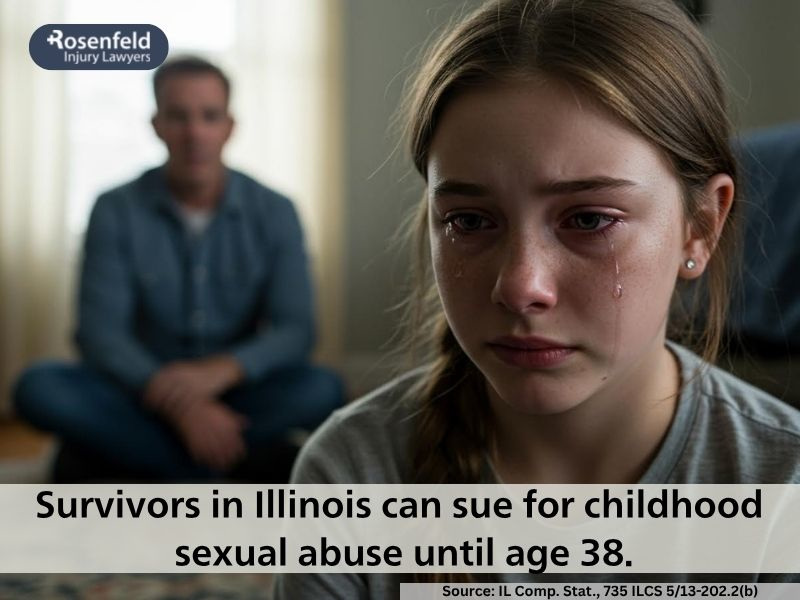
The statute of limitations for sexual abuse involving children is far more flexible than most other types of personal injuries. Under state law 735 ILCS 5/13-202, if you were a child victim of abuse in foster care settings before 2014, you have 20 years from the date you turn 18 or 20 years after you discover the sexual abuse to pursue legal action against the at-fault parties.
For minors who have been abused since 2014, new legislation eliminates the statute of limitations completely. However, you should note that finding evidence of misconduct becomes very difficult after a long time, so acting quickly will give you the best chance of ensuring the abuser is held liable for legal damages.
Who Can Be Held Liable in Foster Care Sexual Assault Lawsuits?
Sexual predators can come in many forms, including parents in the foster care network. However, sexual contact with a child is not always the sole fault of the individual abuser. In many cases, abuse is allowed to occur due to inaction or negligence by institutions.
Here are some potentially liable parties that could be named as defendants in your claim:
- Individual abusers, including parents, guardians of other children, coaches, and foster center supervisors
- Social workers and case managers who fail to report or recognize signs that abuse occurred
- Mandated reporters who fail to follow the proper steps for reporting
- Foster care agencies that do not perform adequate background checks
- State departments that ignore past criminal activities when placing children in homes
FAQs
What is considered sexual assault in Illinois law?
Criminal sexual assault is defined under state law 720 ILCS 5/11-1.20(a) as an act of sexual penetration that uses force or a threat of force while knowing the victim cannot give consent (such as children under the age of 18). It can also be perpetrated by a person in a position of trust who is at least 17 years old while the victim is between the ages of 13 and 18.
Who can file a foster care sexual assault lawsuit?
If the victim of the abuse is now an adult, they can file the lawsuit themselves if they are within any relevant statute of limitations restrictions. For a minor who has suffered abuse, a legal representative, parent, or legal guardian can file the claim on their behalf.
Can I sue if the person who sexually abused me was never criminally charged?
Criminal charges and civil lawsuits following foster abuse are separate legal processes. A criminal proceeding is designed to punish the offender with a sentence if they are found guilty, and the evidence must prove they are guilty “beyond a reasonable doubt.” In civil cases, the plaintiff must prove that the defendant is “more likely than not” responsible for their suffering.
Additionally, suing for foster abuse prioritizes the financial aspect of the case. You can pursue compensation via a lawsuit, whether there are criminal charges or not.
Can I sue if the person who sexually abused me is no longer alive?
Yes, it is entirely possible to recover compensation from other parties who allowed the abuse to happen, such as the state foster care system or a specific care center. A lawsuit can also proceed against the abuser’s estate, in which case the settlement would be paid out of their assets. Injury Lawyer Team can help you navigate the complexities of third-party and estate lawsuits.
Can I sue the Illinois Department of Children and Family Services?
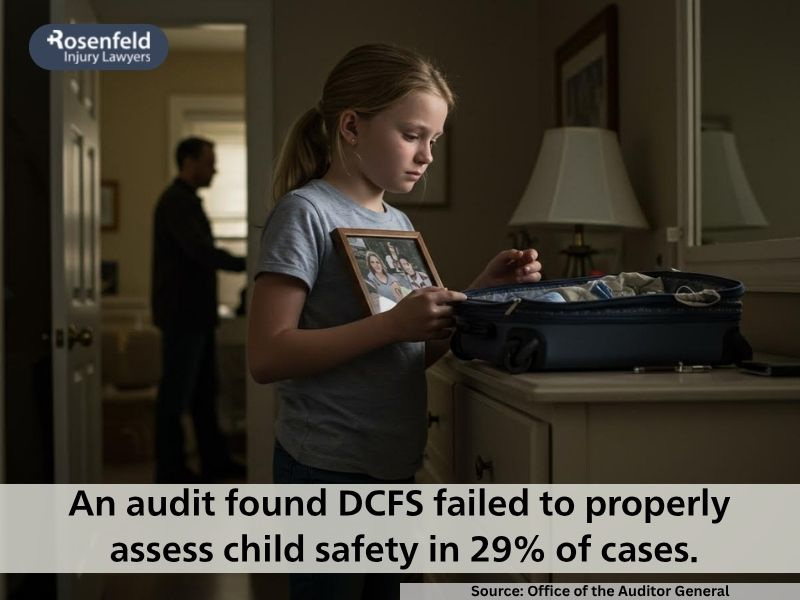
Yes, foster kids who have experienced abuse could sue DCFS for failing to vet parents properly or conduct thorough background checks.
Secure Expert Legal Guidance
At Injury Lawyer Team, we know what it takes to hold abusers accountable, even if the foster abuse you suffered ended years ago. Our sexual abuse attorneys will investigate your claim, gather evidence, secure witness statements, negotiate for full compensation, and litigate in civil court if necessary.
We work on a contingency fee basis, which means you owe nothing unless we win. Additionally, you can ask questions about the legal process during a free and confidential case evaluation.
Contact us today at 866-757-6452 to schedule your free consultation with one of our top lawyers in Illinois.
All content undergoes thorough legal review by experienced attorneys, including Jonathan Rosenfeld. With 25 years of experience in personal injury law and over 100 years of combined legal expertise within our team, we ensure that every article is legally accurate, compliant, and reflects current legal standards.