

Sexual Abuse and Assault Injury Lawyers


How to Help a Child in Foster Care Who Might Be Experiencing Abuse
At Injury Lawyer Team, we understand how devastating it is to suspect that a child in foster care may be suffering harm. Knowing how to help a child in foster care who might be experiencing abuse can feel overwhelming, but taking the right steps early can make all the difference in protecting a child’s safety and well-being.
Our firm has worked alongside families, caregivers, and advocates in foster care sexual abuse lawsuits, standing up for vulnerable children who have endured neglect, exploitation, or violence while under the protection of the welfare system.
We believe every child deserves to grow up in a nurturing environment, free from harm, and we are committed to helping families seek truth, accountability, and healing.
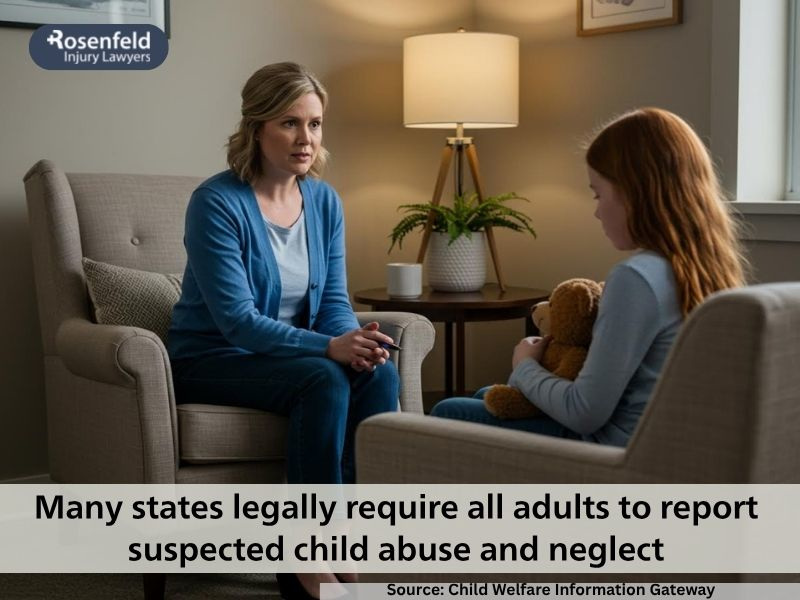
What Are the Warning Signs of Abuse and Neglect in Foster Care?
Recognizing all of the different types of abuse in foster care is one of the most important steps in protecting a child. Unfortunately, abuse can take many forms, and it doesn’t always leave visible marks.
We’ve seen how early identification and timely intervention can prevent lasting harm. Whether you’re a teacher, relative, neighbor, or foster parent, understanding what to look for can help ensure a child’s well-being and safety.
Abuse in foster care can include:
- Physical abuse — injuries, bruises, burns, or signs of harsh or inappropriate physical punishment.
- Sexual abuse — any sexual activity with a child, including inappropriate touching, exposure, or exploitation.
- Emotional abuse — humiliation, verbal threats, or psychological manipulation that harms a child’s self-worth or emotional health.
- Child neglect — failure to provide adequate food, clothing, shelter, supervision, medical treatment, or mental health services.
- Institutional or systemic neglect — failures by the CPS or foster agencies to act on known risks or reports of harm.
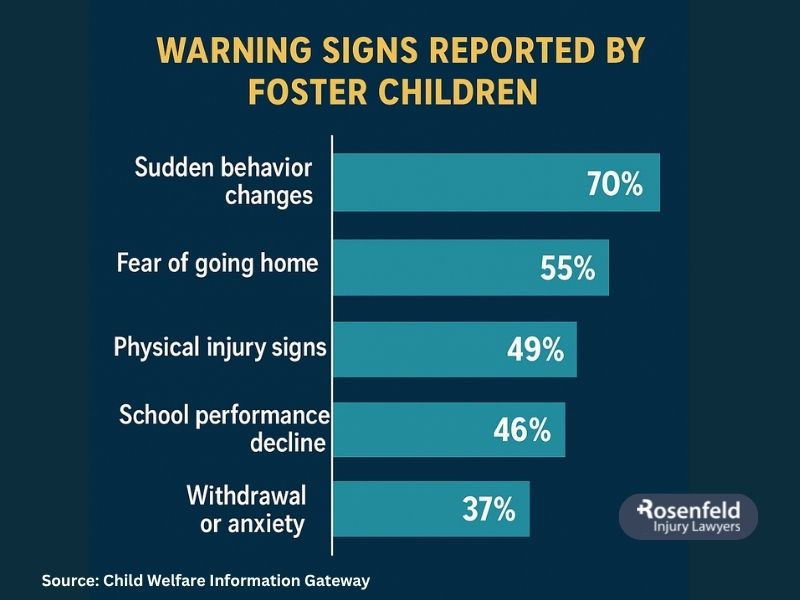
Children experiencing physical, emotional, or sexual abuse may show a combination of emotional, physical, or behavioral changes. Some of the most common signs of sexual abuse in children include:
- Sudden withdrawal, fear of certain adults, or reluctance to go home.
- Age-inappropriate sexual behavior or knowledge.
- Nightmares, bedwetting, or sudden changes in sleep or appetite.
- Unexplained injuries or pain in genital areas.
- Extreme anxiety, depression, or symptoms consistent with bad childhood experiences.
- Regression in behavior, such as thumb-sucking or clinging to caregivers.
- Decline in school performance, isolation, or self-harm.
It’s important to remember that not all signs automatically mean abuse is happening, but patterns of concern, especially when combined with secrecy, fear, or inconsistent explanations from caregivers, should never be ignored.
At Injury Lawyer Team, we encourage supportive adults to trust their instincts. Children rarely fabricate allegations of abuse, and early intervention can protect their mental health, preserve their well-being, and help them recover from trauma in a safe environment.
How to Report Foster Care Child Abuse
If you suspect abuse or neglect in a foster home, it’s crucial to act quickly. Reporting concerns helps protect vulnerable children and ensures the right agencies can intervene to safeguard their well-being.
Local Law Enforcement in Immediate Danger
When a child is in immediate danger, always contact 911 first. Law enforcement can remove the child from a harmful environment and connect them with protection agencies for emergency care.
If the situation isn’t life-threatening but still raises concern, call your local police department or sheriff’s office using their non-emergency line. Officers can perform welfare checks and report their findings to the CPS.
Report to Child Protective Services (CPS)
In all states, you can contact Child Protective Services (CPS) via the Child Welfare Information Gateway or your state’s protection agency to report suspected child abuse or neglect. These agencies are responsible for investigating allegations and ensuring the safety of children and families within the welfare system. Reports can be made anonymously.
Foster Care Ombudsman
Every state has an independent office that reviews complaints about the foster care system. These child welfare ombudsman programs investigate concerns about placements, services, or agency conduct and help ensure accountability. Some examples include:
- California Foster Care Abuse: California Office of the Foster Care Ombudsperson (OFCO) — assists youth in foster care, investigates complaints, and monitors systemic issues.
- Illinois Foster Care Abuse: Illinois Office of the Inspector General – Child Welfare — investigates complaints involving the Department of Children and Family Services.
- New York Foster Care Abuse: New York Office of the Ombudsman for Children and Youth in Foster Care (OOTO) — receives and resolves complaints from youth in care.
- Michigan Foster Care Abuse: Michigan Office of the Child Advocate — reviews complaints about child welfare agencies and foster care placements.
- Pennsylvania Foster Care Abuse: Pennsylvania Office of the Youth Ombudsperson — addresses concerns from youth in out-of-home placements and works toward system reform.
If you’re unsure which agency to contact, we can help guide you through the reporting process.
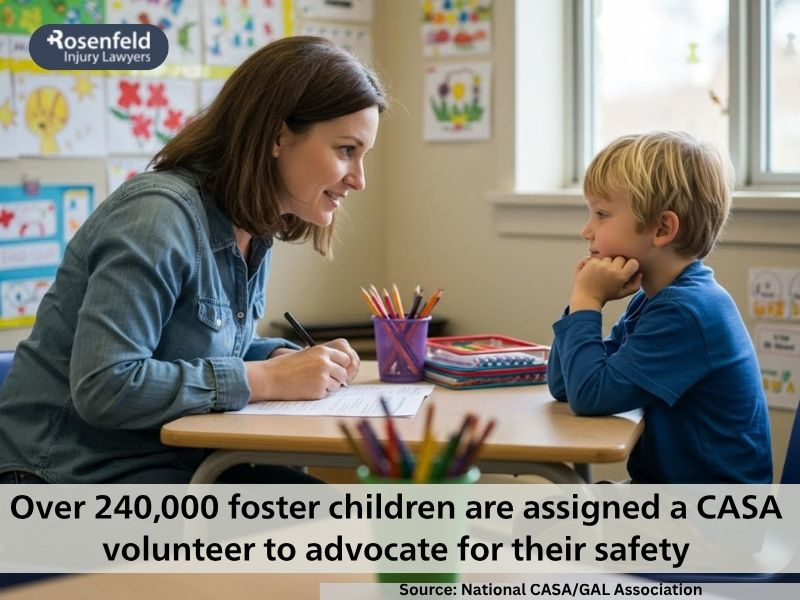
How to Support a Child’s Well-Being After Reporting
After reporting suspected child abuse or neglect, it’s essential to focus on the child’s security, healing, and emotional recovery. A report can trigger major changes in a child’s life: new homes, unfamiliar adults, and difficult questions. During this time, kids need consistent reassurance, compassionate support, and access to the right care and resources to begin rebuilding trust and stability.
Rebuild Safety and Trust
- Reassure the child: “You’re safe now” and “We believe in you.”
- Maintain consistency: familiar caregivers, stable routines, and open communication.
- Give the child space to talk when ready and listen without judgment.
- Encourage communication between the child’s foster parents and other parents or caregivers in their support network to build a sense of normalcy and belonging.
Connect to Health and Mental Health Professionals
- Arrange immediate medical attention and ensure all aspects of the child’s health and emotional needs are addressed through regular checkups and follow-up care.
- Some children may benefit from specialized adolescent psychiatry programs that address trauma, attachment issues, and other mental health problems related to abuse or neglect.
- Remember foster children’s legal rights: safety, education, healthcare, and involvement in decisions.
- Support recovery through caring environments and stability.
Promote Stability and Healing
- Encourage school attendance and positive social activities.
- Monitor for emotional or behavioral changes linked to adverse childhood experiences.
- Engage supportive families or kinship caregivers to provide long-term care and love.
- Community organizations and advocacy groups such as Generations United help strengthen supportive families, promoting stability for foster youth.
Stay Involved and Advocate
- Stay connected with youth protection services and review updates on the child’s placement.
- Document concerns about neglect, unsafe homes, or delayed services.
- Continue advocating for the child’s safety and voice in their care.
Every child deserves stability, compassion, and the opportunity to heal. We stand beside families at every step, guided by the belief that protecting children will always be in their best interests.
What Child Welfare Laws Are in Place to Protect Foster Care Children?
Several federal laws establish vital safeguards to protect children in the foster care system and ensure their safety and permanency. Two of the most significant are the Adoption and Safe Families Act (ASFA) and the Child Abuse Prevention and Treatment Act (CAPTA).
Adoption and Safe Families Act (ASFA, 42 U.S.C. § 671 et seq.)
- Prioritizes the youth’s safety and best interests above all else.
- Requires child welfare agencies to make reasonable efforts to keep families together when safe, while also ensuring timely permanent placements for children who cannot return home.
- Encourages family preservation, adoption, or placement with extended family caregivers when reunification isn’t possible.
- Promotes accountability by requiring states to track outcomes such as safety and permanency.
Child Abuse Prevention and Treatment Act (CAPTA, 42 U.S.C. § 5101 et seq.)
- Provides federal funding for youth protection programs and sets national standards for identifying, investigating, and treating child abuse and neglect.
- Requires each state to establish clear procedures for reporting suspected child maltreatment and ensuring coordination among protective services, law enforcement, and health care providers.
- Supports early detection of at-risk children, medical and psychological care access, and improved training for professionals working with kids and caregivers.
- CAPTA also supports prevention programs that address issues like substance use, neglect, and violence within households before they lead to foster care placements.
Together, these laws form the foundation of the U.S. child welfare system, emphasizing that the vast majority of children thrive when surrounded by healthy environments, responsible caregivers, and ongoing community support.
FAQs
Can domestic violence or intimate partner violence impact foster children?
Yes. Domestic violence or intimate partner violence can deeply affect foster children, even if they are not the direct targets of abuse. Witnessing violence between adults often leads to emotional distress and mental health problems such as anxiety, depression, or post-traumatic stress.
Children exposed to violence may struggle with trust, aggression, or withdrawal, and they often need specialized behavioral health or trauma-focused therapy.
Foster parents, teachers, and youth protection services play a key role in identifying these effects early and ensuring that children receive the mental health support and healthy environments needed to recover and rebuild a sense of safety.
What resources are there to support families and children?
Families and caregivers who care for children affected by abuse can turn to several trusted resources for guidance, education, and professional help:
Trauma and Child Abuse Resource Center
Created by the American Academy of Child & Adolescent Psychiatry, this child abuse resource center provides information on trauma, recovery, and treatment options for children exposed to abuse or violence.
Medical Care for Foster Children
Published by the American Academy of Pediatrics, this resource explains the unique medical needs of foster youth and emphasizes the importance of continuity of care, screenings, and preventive services.
These programs support children and guardians through access to evidence-based care, education, and community resources, ensuring that vulnerable youth receive the protection, attention, and compassion they deserve.
How Injury Lawyer Team Can Help
At Injury Lawyer Team, we’re dedicated to protecting children who have suffered harm within the child welfare system. Our attorneys handle complex sexual abuse lawsuits, foster care negligence cases, and claims against agencies or individuals who failed in their duty to protect vulnerable children.
We provide compassionate, trauma-informed legal representation for victims and families seeking justice after child abuse, neglect, or institutional failures. Our team works closely with child protection agencies, medical experts, and counselors to ensure each case is built with care, sensitivity, and strength.
When you contact us, you’ll speak with professionals who understand both the emotional and legal challenges of these cases. We offer:
- Free consultations to help families understand their rights and legal options.
- Representation on a contingency fee basis, meaning you pay no legal fees unless we win your case.
- Ongoing support and communication, ensuring you feel heard, respected, and informed at every step.
If you believe a child in foster care has been harmed, neglected, or abused, don’t wait to seek help. Reach out to us today to discuss your situation confidentially and learn how we can help you pursue justice and accountability.
All content undergoes thorough legal review by experienced attorneys, including Jonathan Rosenfeld. With 25 years of experience in personal injury law and over 100 years of combined legal expertise within our team, we ensure that every article is legally accurate, compliant, and reflects current legal standards.