

Sexual Abuse and Assault Injury Lawyers


What Is the Foster Care to Prison Pipeline?
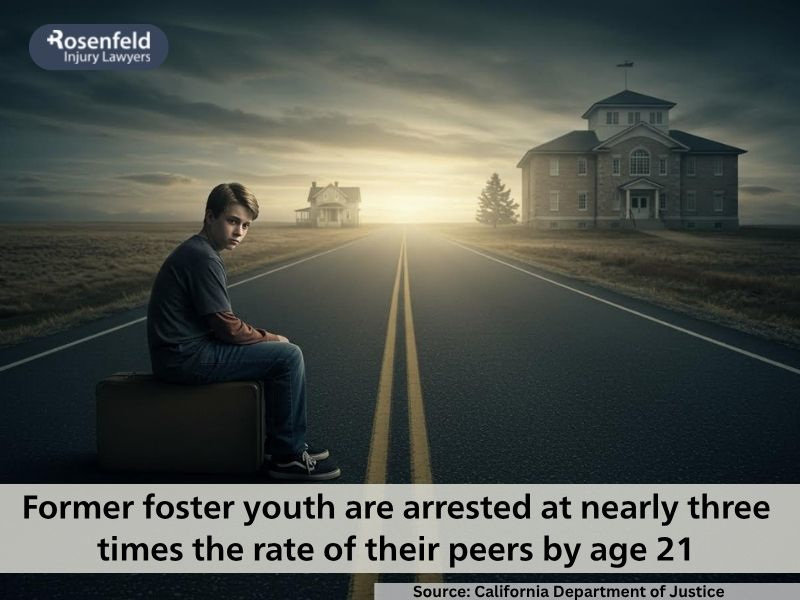
The foster care to prison pipeline refers to the troubling pattern in which foster kids, many of whom experienced multiple placements, school disruptions, or abuse, end up entangled in the juvenile legal system or criminal justice system as teens or adults.
Rather than receiving trauma-informed care or educational opportunities, these youth are too often criminalized for behaviors that stem from pain, instability, or untreated psychological needs, creating a direct link to adult incarceration later in life.
At Injury Lawyer Team, we’ve seen how the foster care to prison pipeline has devastating effects on the lives of vulnerable children. Across America’s foster care system, countless foster youth face trauma, neglect, and instability that push them toward the justice system instead of the support and safety they deserve.
We stand with survivors of abuse and neglect, and our firm represents clients in foster care sexual abuse lawsuits, helping them seek accountability and lasting change within the child welfare system.
Foster Care to Prison Pipeline Statistics
The Children’s Bureau, a division of the Administration for Children and Families within the U.S. Department of Health and Human Services, reported that approximately 407,000 children were in foster care nationwide. While these numbers reflect the scope of America’s foster care system, they also highlight the immense responsibility placed on agencies tasked with protecting vulnerable youth.
Yet for too many children, the system designed to provide safety instead exposes them to new risks. The link between foster care involvement and later contact with the juvenile or criminal justice system has been documented across decades of national and state-level research.
Multiple studies show that former foster kids face an elevated risk of arrest, incarceration, and other justice-system contact compared to peers who were never in care. These outcomes are shaped by placement instability, exposure to child maltreatment, systemic inequities, and the lack of trauma-informed support after leaving care.
Foster Care Alumni Ending Up Involved with the Criminal Legal System
The Midwest Evaluation of the Adult Functioning of Former Foster Youth found that by age 26, 81.8% of men and 59% of women with a foster care background had been arrested at least once, and 74.2% of men and 42.8% of women had been incarcerated or held in a correctional facility.
Since leaving care, 64% of men and 32.5% of women reported at least one incarceration by their mid-20s, becoming part of a growing number of prison inmates with foster care backgrounds.
A population-based analysis of 10,000+ Wisconsin foster youth found that nearly 13% were imprisoned or kept for an overnight stay at a correctional facility in young adulthood, and those reunified with family were 1.6–2 times more likely to enter state prison than peers who aged out, contributing to the overrepresentation of former foster children within the prison population.
According to National Youth in Transition Database (NYTD) data, 17% of young people who were in foster care within 45 days of their 17th birthday reported being incarcerated in the past two years when surveyed at age 21.
These findings underscore the connection between foster care experiences and mass incarceration, as many system-involved youth struggle with instability and lack of opportunity after leaving care.
Cumulative Prevalence Among Black Children
Foster care involvement reveals striking racial disparities within America’s foster care system. According to recent data, Black children are placed in foster care at nearly double the national rate, while White children experience far lower rates of removal. A disproportionate number of Black kids face foster system contact beginning in early childhood.
An American Journal of Public Health study estimates that 53% of Black children (vs. 37.4% of all U.S. children) experience a CPS investigation by age 18, while a PLoS ONE study found that the cumulative risk of ever being placed in foster care by age 18 was 11.53% for Black children versus 5.91% for all children.
These disparities reveal how racial inequities remain deeply embedded within the child welfare system.
Foster Care Placement’s Role
Empirical research has examined whether placement itself contributes to later system involvement. In a working paper using quasi-randomly assigned investigators in Illinois, researchers found that children just on the margin of placement had lower adult arrest rates when they remained at home, suggesting that out-of-home placement can increase long-term criminal issues for some youth.
Related research on juvenile incarceration shows that youth placed in juvenile detention are 13% less likely to graduate high school and 23% more likely to be incarcerated as adults, an outcome that contributes to long-term system involvement and reduced life opportunities.
According to a different study, among youth who exit foster care, the type of discharge matters.
Those who reunify with biological families face the highest imprisonment hazard (1.58–1.96× higher) than those who age out, while guardianship or permanent relative placement shows imprisonment rates similar to emancipation. Nearly 13% of this cohort were imprisoned in young adulthood, underscoring how exiting foster care outcomes directly shape adult lives.
Taken together, the data show that children involved in the foster care system, particularly Black youth and those exposed to repeated placement disruptions, face a disproportionate risk of incarceration later in life, often perpetuating the foster care to prison pipeline.
How Abuse and Neglect in the Child Welfare System Contribute to the Foster Care to Prison Pipeline
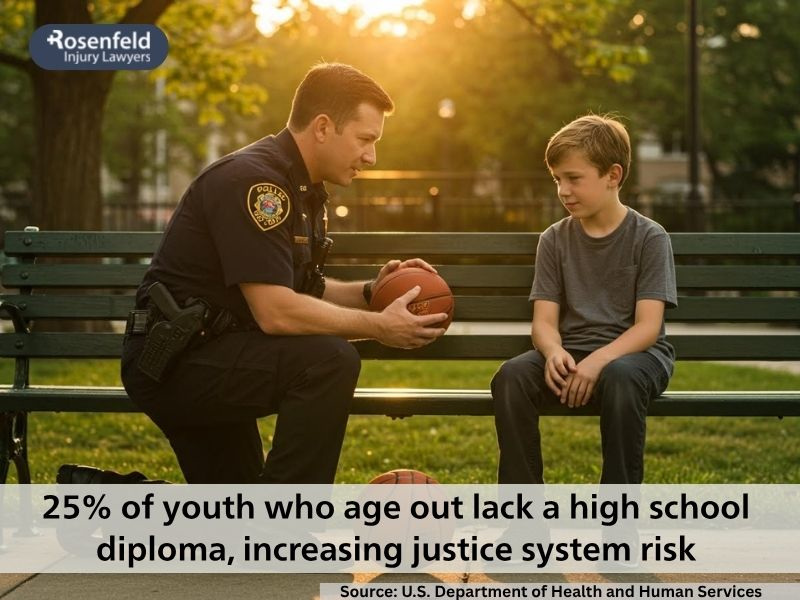
Children who enter the child welfare system often carry histories of abuse or neglect, and many face additional trauma after entering care. These layers of harm, initial maltreatment, repeated placement disruptions, and institutional neglect, can create a path that undermines child wellbeing and leads directly from foster care to the juvenile justice system and criminal legal system.
Without consistent care, supportive relationships, or trauma-informed services, foster children are at greater risk of criminalization instead of rehabilitation.
Types of Abuse and Neglect in Foster Care
Within foster homes, group homes, or residential facilities, youth may experience multiple forms of harm, including:
- Physical abuse
- Sexual abuse or exploitation
- Emotional abuse
- Neglect of basic needs such as food, shelter, and safety
- Psychological neglect
- Supervisory neglect in congregate care or group settings
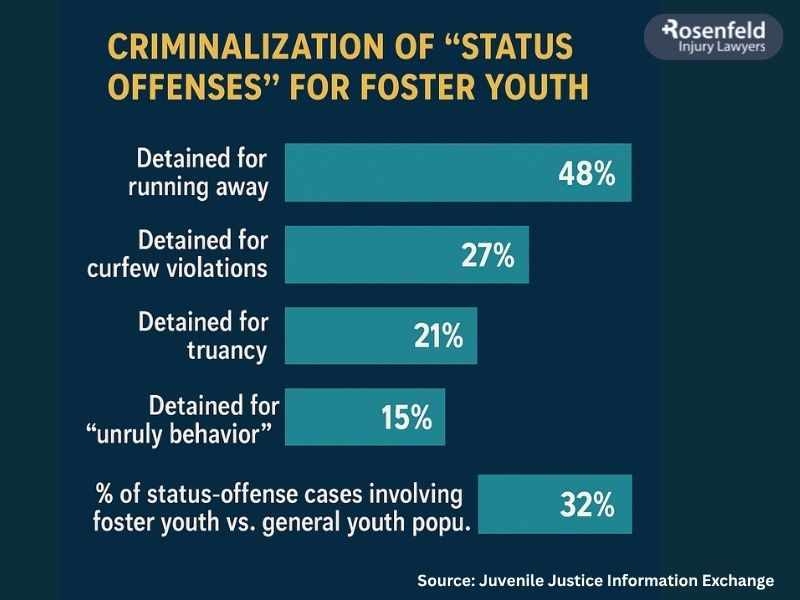
Unaddressed trauma can lead to withdrawal, aggression, or difficulty in school, behaviors that too often result in harsh school discipline or even the police called, rather than compassionate intervention. When caregivers, social workers, or institutions respond to trauma with punishment, foster children become increasingly entangled in systems meant to control rather than protect them.
Placement Instability, System Contact & Justice Outcomes
Frequent moves between foster homes and family members, unstable schooling, and insufficient access to mental health services can leave foster youth without stability or trust. Each disruption compounds feelings of rejection and abandonment, pushing children closer to system involvement.
When child protective services fail to provide consistent support or rely on punitive measures for behavioral issues, it reinforces the care-to-prison pipeline, a cycle where neglected youth are treated as offenders rather than victims in need of care. Collaboration between schools, courts, and social services can help mitigate these risks and ensure child well-being.
Breaking the Cycle
Breaking this cycle begins with recognizing that most children in foster care are survivors, not delinquents. Every effort should be made to provide stability, counseling, and nurturing environments instead of further punishment.
Key steps toward breaking the foster care to prison pipeline include:
- Prioritizing trauma-informed care in foster placements
- Reducing multiple placements and ensuring consistent caregivers
- Providing access to education, therapy, and youth services
- Strengthening oversight and accountability for child protective services and foster families
- Empowering survivors through legal advocacy, including a youth detention center sexual abuse lawyer when institutional abuse or misconduct occurs
- Expanding more resources and community-based programs for older youth aging out of care
By improving support, enhancing supervision, and addressing the various types of abuse and neglect in foster care, the system can begin to protect rather than punish vulnerable children. Ending the foster care to prison pipeline requires compassion, accountability, and a renewed commitment to foster children.
What Legal Options Do Foster Care Child Abuse Victims Have?
Children who suffer abuse or neglect in foster care have the right to seek justice and accountability through both civil and constitutional legal channels. When child protective services or foster parents fail to protect a child’s safety, they can be held liable for the harm caused. Understanding foster children’s legal rights is essential to ensuring survivors can pursue justice and healing.
Constitutional and Federal Claims
Under 42 U.S.C. § 1983, individuals, including children who have been in foster care, may file lawsuits against state or local officials who violate their constitutional or federally protected rights. In the foster care context, these claims often involve violations of a child’s right to safety, due process, and bodily integrity.
Examples include:
- Failure by caseworkers or agencies to investigate reports of abuse or neglect
- Negligent placement in dangerous foster homes
- Deliberate indifference to a child’s medical, psychological, or educational needs
- Institutional misconduct or abuse within youth detention centers, residential facilities, or group homes
Overburdened foster care caseloads and inadequate training often lead to oversight failures that endanger children. Even when survivors come forward, they may struggle to find evidence within agencies that maintain incomplete files or provide little evidence of proper supervision. Nevertheless, these cases remain a powerful tool for exposing systemic failures and protecting the youth.
Negligence Lawsuits
In addition to constitutional claims, survivors may pursue negligence lawsuits in civil court. These actions hold agencies and their employees, as well as foster parents, responsible when their failure to act with reasonable care directly leads to harm.
Negligence may arise from:
- Inadequate screening or supervision of foster homes
- Ignoring prior reports or warning signs of abuse
- Placing children in unsafe or unlicensed environments
- Failing to ensure proper medical or mental health treatment
A successful negligence claim can provide meaningful compensation for the physical, emotional, and psychological injuries caused by abuse or neglect, while driving reform within the child welfare system.
Seeking Foster Care Abuse Compensation
Survivors of abuse in foster care may be entitled to foster care abuse compensation for the damages they’ve suffered.
This compensation can cover:
- Medical and mental health expenses
- Therapy and long-term counseling
- Pain and suffering
- Emotional distress and trauma-related impacts
- Loss of educational and developmental opportunities
Legal action helps survivors rebuild their lives and sends a message that the mistreatment of vulnerable children will not be tolerated. These lawsuits often expose patterns of misconduct and pressure agencies to adopt better safeguards to prevent future harm.
How Injury Lawyer Team Can Help
At Injury Lawyer Team, we represent clients nationwide in sexual abuse lawsuits, negligence claims, and constitutional actions under federal law, holding child welfare agencies and care providers accountable when they fail to protect vulnerable children.
Our firm handles cases involving misconduct and abuse within the child welfare system, including:
- Foster care sexual abuse and neglect lawsuits
- Youth detention and residential facility abuse claims
- Failure to supervise or investigate abuse reports
- Civil rights violations and institutional negligence
- Wrongful placement and trauma-related injury cases
We handle all cases on a contingency fee basis, meaning there are no upfront costs and no attorney fees unless we win your case. This allows survivors and families to focus on healing while we focus on pursuing justice.
If you or a loved one experienced abuse or neglect in foster care, you’re not alone. We believe in your case, and our legal team is here to help you understand your rights and options.
Contact us today for a free and confidential consultation to take the first step toward accountability, closure, and recovery.
All content undergoes thorough legal review by experienced attorneys, including Jonathan Rosenfeld. With 25 years of experience in personal injury law and over 100 years of combined legal expertise within our team, we ensure that every article is legally accurate, compliant, and reflects current legal standards.