

Sexual Abuse and Assault Injury Lawyers


Foster Care Abuse and the Justice System
At Injury Lawyer Team, we represent survivors who endured neglect, violence, or exploitation within the foster care system. The connection between foster care abuse and the justice system reveals a troubling cycle where children placed in state custody for protection often face further trouble instead.
Many of our clients come forward as adults, seeking accountability for what happened to them while they were supposed to be safe in a foster home or group facility.
Through foster care sex abuse lawsuits, our firm helps survivors pursue justice against negligent foster parents and child welfare agencies operating under the Health and Human Services. We know these cases are deeply personal. We believe in your case, and we’re ready to help you win it.
What Makes Children in Foster Care Vulnerable to Abuse?
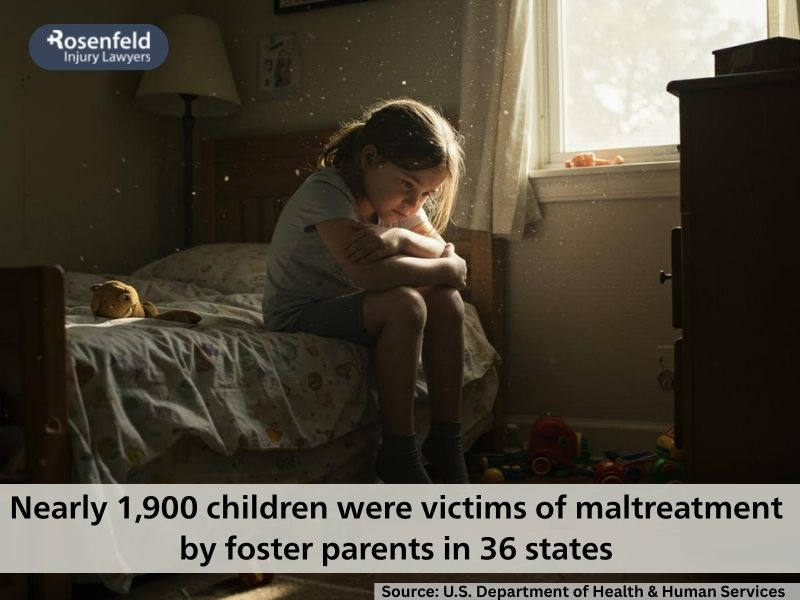
Children enter the foster system after enduring trauma, neglect, or family instability, often caused by poverty, intimate partner violence, or substance abuse in the home. Many arrive already struggling with emotional wounds that make them more vulnerable to further abuse.
We’ve seen how these early hardships, combined with the challenges of placement, can expose children to additional harm and interfere with a child’s healthy development.
Several factors increase vulnerability:
- Prior trauma and attachment loss – Foster kids often carry the effects of earlier abuse or neglect. Being removed from their families can compound this trauma, leading to emotional distress that abusers may exploit.
- High needs, limited support – Many foster youth have psychological or behavioral challenges that require specialized care. Unfortunately, foster homes and institutions are often under-resourced and lack trauma-informed training.
- Frequent moves – Kinship caregivers can also struggle to maintain placement stability due to lack of financial and emotional support. However, repeated placement changes disrupt stability and make it harder for children to form safe, trusting relationships.
- Isolation and power imbalance – Children in foster or group homes may fear retaliation if they report mistreatment, and they often depend on guardians who hold full authority over their daily lives.
- Cumulative risk – Children in foster care face higher rates of maltreatment than their peers, demonstrating how instability within the system can perpetuate cycles of harm.
What Systemic Issues in the Child Welfare System Contribute to Abuse?
The child welfare system is meant to protect children and to make reasonable efforts to keep children and families safely together when possible, yet systemic breakdowns often allow abuse to continue unchecked. Our firm understands how these failures occur and how they can leave children exposed to serious harm.
The following systemic issues most often cause harm:
- Understaffing and high caseloads – Child protective agencies often operate with limited resources, making consistent monitoring and timely intervention difficult.
- Inadequate caregiver screening and training – When foster parents or staff lack proper background checks or trauma-informed education, children’s safety is at risk.
- Racial and socioeconomic disparities – Black, Indigenous, and Hispanic children continue experience unequal treatment and outcomes within the foster process compared to White children.
- Lack of accountability – When abuse is reported, agencies may respond slowly or fail to act altogether, leaving victims unprotected.
- Fragmented support systems – Mental health, education, and social services often fail to coordinate, allowing warning signs of maltreatment to go unnoticed. Better coordination among child welfare leaders and service providers is vital to support families, strengthen family preservation, and prevent child maltreatment.
Federal reforms like the Family First Prevention Services Act, administered by the Children’s Bureau, aim to provide federal grants that reduce unnecessary entry in the system and ensure fewer children enter out-of-home placements.
Are Children Entering Foster Care More Likely to Be Part of the Criminal Justice System?
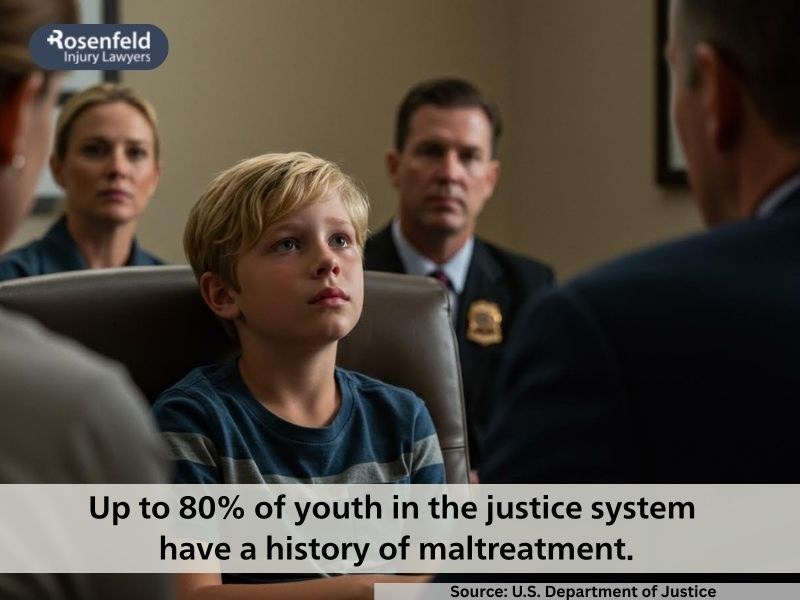
The connection between the foster and the criminal justice system is one of the most concerning findings in modern child welfare research. Despite entering state custody for protection, many children in the foster system later become involved with the juvenile or adult justice systems, often as a result of instability, trauma, and insufficient support.
Multiple national studies show that youth who grow up in foster care experience far higher rates of arrest, incarceration, and conviction than their peers. Advocates now refer to this troubling pattern as the “foster care to prison pipeline.”
Foster Care Alumni Ending Up Involved with the Criminal Legal System
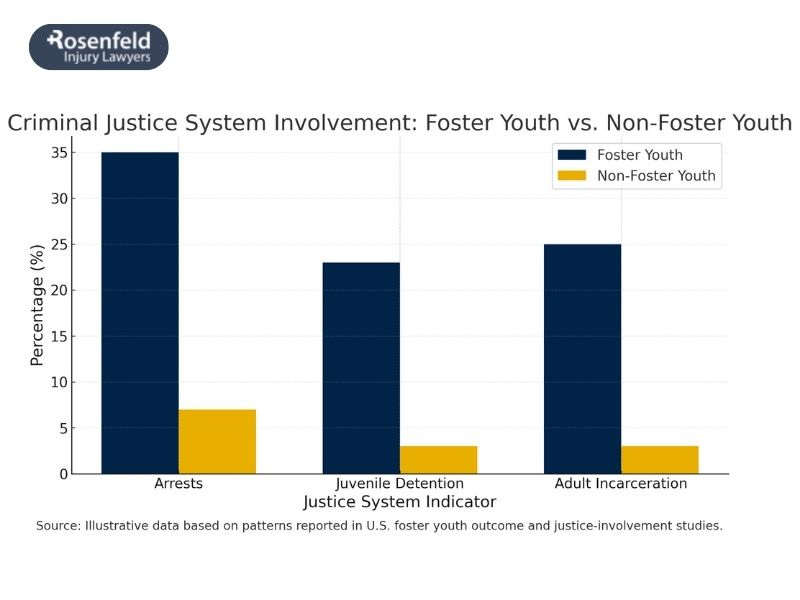
Available data shows that young adults formerly in foster care are significantly more likely to have been arrested or incarcerated by their mid-20s than the general population.
Among men in the study, 81.8% had been arrested, 74.2% had been incarcerated, and 57.6% had been convicted at least once by age 26. For women, the rates were lower but still strikingly high: 59.0% had been arrested, 42.8% incarcerated, and 29.8% convicted by age 26. This gap underscores the systemic challenges foster youth face as they transition into adulthood.
Similarly, other research notes that approximately 1 in 4 people who exit foster care will have some form of contact with the criminal justice system within 2 years of leaving state custody.
Cumulative Prevalence Among Indigenous and Black Children
Racial disparities compound these outcomes. A study found that by age 18, approximately 5.91% of all U.S. children had spent time in foster care. For Black children, that figure rose to 11.53%, and for Native American children, to 15.44%.
These findings confirm that Black and Indigenous children are far more likely to experience foster child protection, and therefore greater exposure to the systemic risks that follow.
When combined with poverty, racial bias, and limited access to community-based prevention and mental health services, these disparities show how child welfare intervention and family separation policies disproportionately impact minority communities and undermine long-term community safety.
Foster Care Placement’s Role
Placement instability is one of the most consistent predictors of justice involvement among foster youth. Each time a child is moved to a new home, bonds are broken, school progress is disrupted, and trust erodes. Despite such efforts by agencies to find stability, multiple placements often deepen trauma.
It’s reported that youth who experience 5 or more placements face a 90% risk of delinquency and court contact. These dynamics are often worsened by emotional challenges, prior abuse, and a lack of stable adult mentorship.
Moreover, inadequate coordination between the child welfare system, child protective agencies, and the juvenile justice system means that vulnerable children can fall through the cracks.
The result is a structural failure that too often criminalizes trauma instead of treating it. Collaborative approaches that focus on children, youth, and families can reduce criminal involvement and promote lasting household preservation.
Taken together, the data show that children and young people entering foster care are not inherently delinquent. They are individuals coping with trauma in a system that often compounds it. The intersection between foster care abuse and the justice system reflects how instability, systemic inequities, and fragmented oversight pose an imminent risk of transforming protection into punishment.
What Legal Options Do Victims of Foster Care Child Abuse Have?
Survivors who suffered harm in the foster system have several legal paths to pursue justice.
Foster children’s legal rights ensure that every child in state custody is entitled to safety, stability, and freedom from physical, emotional, or sexual abuse. When foster parents, agencies, or state child welfare departments fail to meet these obligations, they can be held legally responsible for the harm caused.
There are also specific legal options for adults abused in foster care as children. Many survivors come forward years later, once they are ready to process their trauma.
In response, numerous states have reformed or extended the statute of limitations on sexual assault, giving adult survivors the opportunity to file lawsuits even decades after the abuse occurred. These reforms acknowledge that healing takes time and that justice should remain accessible.
Through civil lawsuits, survivors can seek accountability from negligent caregivers, private agencies, or state child protective services. Courts have granted significant damages awarded in foster care sexual abuse lawsuits, covering medical costs, therapy, emotional suffering, and long-term trauma.
Who Can Be Held Liable for Child Maltreatment in Foster Care?
When a child is abused or neglected in foster care, multiple parties may share responsibility. Liability depends on who knew, or should have known, about the danger and failed to act. Through foster care abuse lawsuits, survivors can pursue justice against both individual offenders and the institutions that allowed the abuse to occur.
Individual Abuser
The most direct liability lies with the individual abuser, whether a foster parent, relative caregiver, or staff member in a group home. When these individuals commit acts of child maltreatment, they can face both criminal prosecution and civil lawsuits for damages. Civil claims can help survivors recover compensation for emotional trauma, medical treatment, and other losses.
Private Foster Care Agencies
Private foster care agencies that place or supervise children can also be held accountable if they fail to properly screen, train, or monitor caregivers. When agencies overlook red flags or ignore reports of child abuse, they may be liable for negligence in hiring, supervision, or retention.
State Child Protective Services
In many cases, lawsuits against state foster care agencies arise when government entities, such as child protective services or state departments of human services, fail to act on known risks.
Although these agencies are often shielded by sovereign immunity, survivors can still bring claims when gross negligence, misconduct, or constitutional violations are involved. Courts have recognized that state agencies have a legal duty to protect youth in their custody.
Supervisors and Social Workers
Negligent oversight by caseworkers or supervisors can also lead to liability. When social workers falsify reports, skip home visits, or fail to respond to abuse allegations, their actions, or inaction, can cause devastating harm. Survivors may pursue claims by suing social workers individually or in conjunction with the agencies that employed them.
Together, these avenues of accountability ensure that every person and organization responsible for a child’s safety can be held to account when that trust is broken.
How Injury Lawyer Team Can Help
At Injury Lawyer Team, we stand with survivors of abuse in the foster system. Our attorneys handle complex sex abuse and assault lawsuits, helping clients seek justice against negligent guardians, agencies, and state institutions.
We offer free consultations to discuss your case confidentially and work on a contingency fee basis, meaning you pay nothing unless we win.
Contact us today. We believe in your case and are here to help you take the next step toward healing and accountability.
All content undergoes thorough legal review by experienced attorneys, including Jonathan Rosenfeld. With 25 years of experience in personal injury law and over 100 years of combined legal expertise within our team, we ensure that every article is legally accurate, compliant, and reflects current legal standards.