

Sexual Abuse and Assault Injury Lawyers


What to Do If You Were Sexually Abused by a Doctor
Sexual abuse in clinical settings is unfortunately common across the United States, ranging from sexual comments to violent assault. There are several key components of what to do if you were sexually abused by a doctor, which include reporting, receiving medical attention, and consulting with a personal injury attorney.
Injury Lawyer Team is here to support your journey to justice and healing. We understand the fear, shame, and anxiety that medical abuse can cause, which is why we will handle all third-party communications while keeping you informed of your legal options. Contact us today for a free consultation about your legal rights.
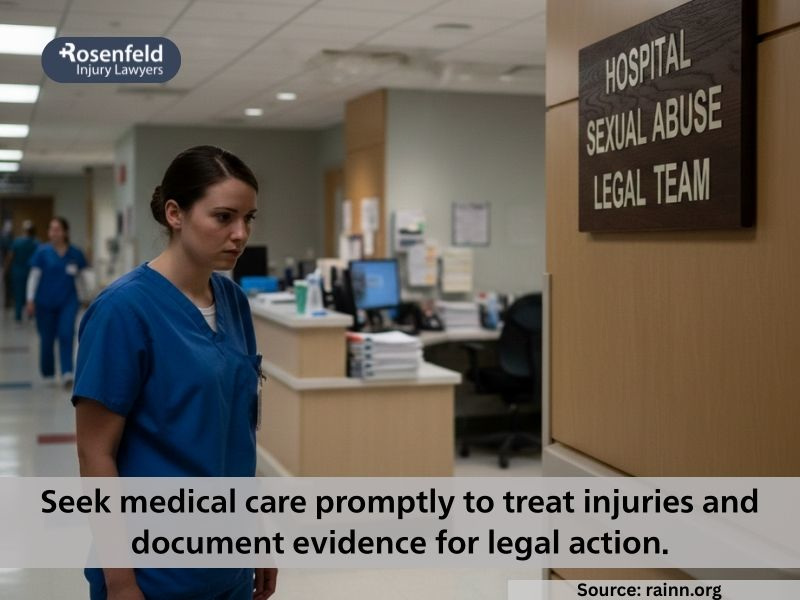
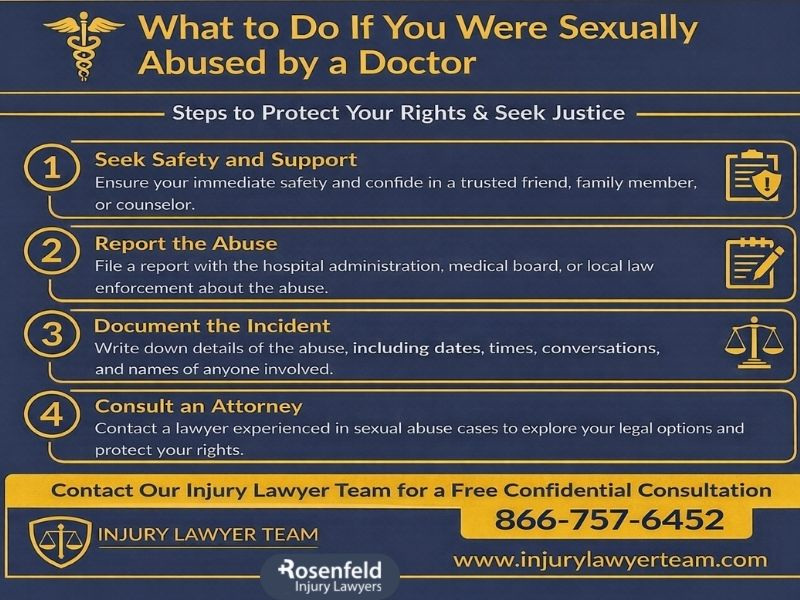
Steps to Take If You’ve Experienced Sexual Impropriety in a Medical Setting
Your immediate safety is the foremost concern after abuse. Once you have reached a safe place, do not change clothes or shower, as there may be forensic evidence.
Report the Incident to Local Law Enforcement
According to the Rape, Abuse, and Incest National Network, only about 5-10% of medical sexual abuse cases are reported to law enforcement. This may be because patients are not sure what constitutes sexual abuse by a physician. However, your discomfort matters and may be grounds for a criminal investigation.
You can report abuse to your local police department even if you are unsure whether it is a criminal matter. Call 911 if you’re in immediate danger, or use the non-emergency number. The responding officer will ask you what happened, where it occurred, who was involved, and the approximate time.
The police officer will explain what happens next and may offer you resources, such as the number for the local rape crisis center.
After you report sexual abuse to the police, call the hospital or clinic to discuss what occurred. The clinic may place the physician on leave while it investigates.
You can also file a complaint with the state medical board and professional associations. This is a separate process that may result in professional consequences for the perpetrator, including revocation of clinical privileges or suspension of their license.
Seek Medical Attention Immediately
Sexual abuse by a medical professional can cause serious trauma, making survivors afraid to seek medical attention. However, a forensic examination can provide valuable evidence to substantiate a criminal or civil claim.
Visit a different hospital, explain that you were sexually abused by a doctor or nurse, and ask for a Sexual Assault Nurse Examiner. These are specially trained nurses who collect forensic evidence in a compassionate, trauma-informed manner.
Medical sexual abuse often has long-term effects on a patient’s emotional well-being and general health. Individuals who experience sexual assault at the hands of a medical professional frequently suffer from post-traumatic stress disorder (PTSD) due to feelings of betrayal, helplessness, and loss of control. They may delay future medical treatment, which can result in poor health.
You can get support from a trained counselor by calling 800.656.HOPE (4673), texting HOPE to 64673, or starting an online chat at the Rape, Abuse, and Incest National Network hotline.
Consult a Doctor Sexual Abuse Lawyer
Our legal team handles civil sexual abuse cases. These are distinct from criminal cases, which aim to punish the perpetrator. In contrast, a civil claim is meant to secure damages for the victim. You can pursue a civil lawsuit even if you do not report the crime or press charges.
While a criminal case holds the perpetrator accountable, a civil claim often focuses on institutional liability and negligence. For example, any facility enrolled in Medicare must ensure that all medical providers undergo background checks (42 CFR § 455.434). If the medical professional had prior convictions for sexual abuse but was hired anyway, this would be considered institutional negligence.
When you contact us for a free consultation, we will learn more about the incident and discuss your legal options. Everything you share with us during this initial consultation is confidential. We will protect your privacy throughout the legal process and handle third-party communications so that you can focus on healing.
FAQs
Are there any cases where sexual contact during a medical exam is considered normal?
Physical contact is sometimes necessary for medical treatment. However, there is a difference between a standard examination and inappropriate touching, which is considered sexual contact.
According to the Rape, Abuse, and Incest National Network, medical professionals should always use gloves when touching a person’s intimate parts, should not ask a person to undress more than is necessary, and should not make inappropriate comments when taking a sexual history.
A medical provider should also explain the procedure and address the patient’s concerns. Failing to do so can be considered physician sexual abuse.
What types of sexual violence can be grounds for legal action?
All types of inappropriate behavior that happen in a medical setting may result in either criminal or civil legal action. This can include:
- Sexual comments, such as about your body or sexual preferences
- Intrusive questions about your sex life
- Sexual acts, such as digital penetration during a pelvic exam
- Inappropriate sexual relationships
- Inappropriate touching
- Sexual abuse or rape
To sue the perpetrator’s employer, we must demonstrate that the doctor’s employment facilitated the abuse and that it occurred within the scope of their duties.
For example, it is possible to sue a medical professional for intimate partner violence, but this would not necessarily constitute medical abuse. If they were to digitally penetrate a woman during a scheduled exam at the hospital, this could make the employer liable under respondeat superior. The US Supreme Court has affirmed this doctrine for sexual harassment in cases like Burlington Industries v. Ellerth.
What types of medical professionals can be sued for sexual abuse?
Any medical professional may be sued for inappropriate conduct. This can include:
- Mental health professionals
- General practitioners
- Obstetrician-gynecologists (OBGYNs)
- Nurses and certified nursing assistants
- Nursing home professionals
- Sports medicine specialists
- Pediatricians
- Specialists like oncologists or orthopedic surgeons
What types of damages can victims recover in medical professional sexual assault cases?
An experienced attorney from our firm can seek both economic and non-economic damages from civil sexual abuse cases. These damages compensate you for the harm caused and support your recovery.
Damages you can recover include:
- Medical bills
- Lost wages
- Therapy
- Physical pain and suffering
- Emotional distress and trauma
- Loss of normal life
How long do survivors have to take legal action?
The statute of limitations on sexual assault varies by jurisdiction. There may be different deadlines depending on whether the victim was a child or an adult.
Our attorneys are familiar with various statutory limits and closely monitor legislative developments that may affect your case. We will ensure that each lawsuit is filed by the deadline and that your right to sue is protected regardless of statutory changes.
Book a Free Consultation to Explore Your Legal Options
Our sexual abuse attorneys are here to support you in your journey toward justice for medical sexual abuse. We will thoroughly investigate your claim, gather evidence to establish liability, and negotiate with the hospital or medical facility to secure fair compensation. Throughout the process, we will protect your privacy, manage communications, and recommend helpful resources that can provide additional assistance.
Injury Lawyer Team works on a contingency fee basis: no legal fees unless we win. To schedule a free consultation with a caring attorney, call us at 866-757-6452 or use our online contact form.
All content undergoes thorough legal review by experienced attorneys, including Jonathan Rosenfeld. With 25 years of experience in personal injury law and over 100 years of combined legal expertise within our team, we ensure that every article is legally accurate, compliant, and reflects current legal standards.