

Sexual Abuse and Assault Injury Lawyers


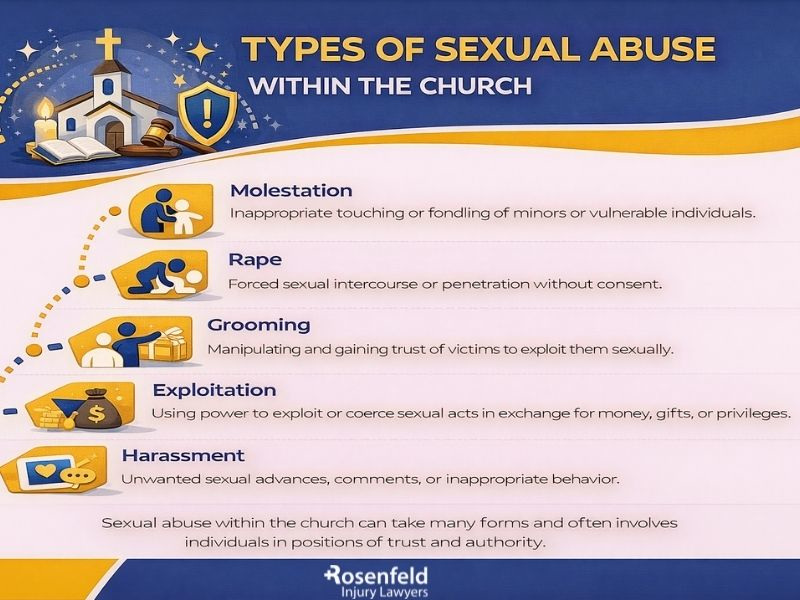
Types of Sexual Abuse Within the Church
Sexual abuse in religious institutions is a tragically common issue throughout the United States. There are numerous types of sexual abuse within the Church, all of which cause lasting can cause lasting damage like post-traumatic stress disorder.
If you have been a victim of non-consensual sexual contact in a religious institution, you don’t have to fight alone. Our sexual assault attorneys are here to support you, guiding you through the legal system and protecting your rights. Contact us today for a confidential, free consultation.
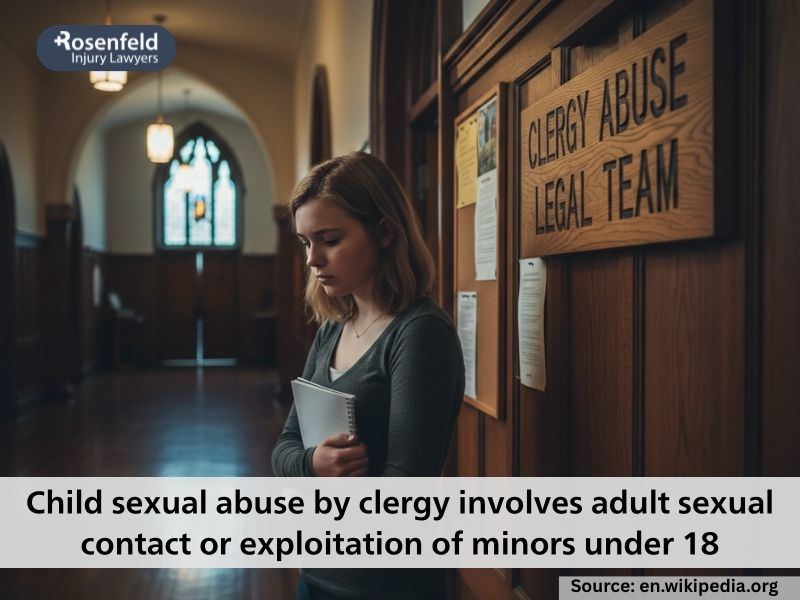
What Types of Sexual Abuse Occur in Religious Organizations?
Church sexual abuse occurs in every denomination, including the Southern Baptist Convention, the Church of Jesus Christ of Latter-day Saints, Catholic denominations, and Protestant churches. We have filed clergy sexual abuse lawsuits against these religious institutions and others for abuse perpetrated by clergy members, religious leaders, volunteers, and administrators.
Clergy Sexual Abuse by Priests, Pastors, and Ministers
Church sexual abuse by authority figures is particularly damaging. Researchers consider it a form of “spiritual violence” that leads many survivors to lose their faith.
Clergy members may abuse the trust placed in them to demand sexual acts or favors from minors or vulnerable adults. These may take place during religious rituals, such as during the act of confession, or while on church property. They may also manipulate the victim through grooming or coerce them with threats, like claiming they will excommunicate the victim if they tell anyone.
Sexual Abuse by Youth Pastors, Volunteers, and Church Leaders
Church sexual abuse doesn’t just occur with clergy. Other individuals may also take advantage of religious institutions, including:
- Youth pastors
- Sunday school teachers
- Youth group leaders
- Camp leaders
- Choir directors
- Volunteers
These church members may use poorly supervised activities to groom minors or vulnerable adults into sexual contact. For example, they may single out a victim during a youth program, making them feel special and approaching them outside of the church. Over time, the victim may be manipulated into sexual acts and threatened with consequences if they disclose what happened.
Child Sexual Abuse in Church-Sponsored Schools, Programs, and Camps
Church sexual abuse can also occur in other locations, including:
- Religious schools
- Private Christian schools and institutions
- Catholic charities
- Vacation Bible School
- Church retreats and camps
- After-school programs
Religious institutions are responsible for properly screening any volunteer or staff member who will work with children. They must perform thorough background checks, train staff to identify potential sexual abuse, and intervene if abuse occurs. If the institution fails to take these steps, it could be liable in a civil case.
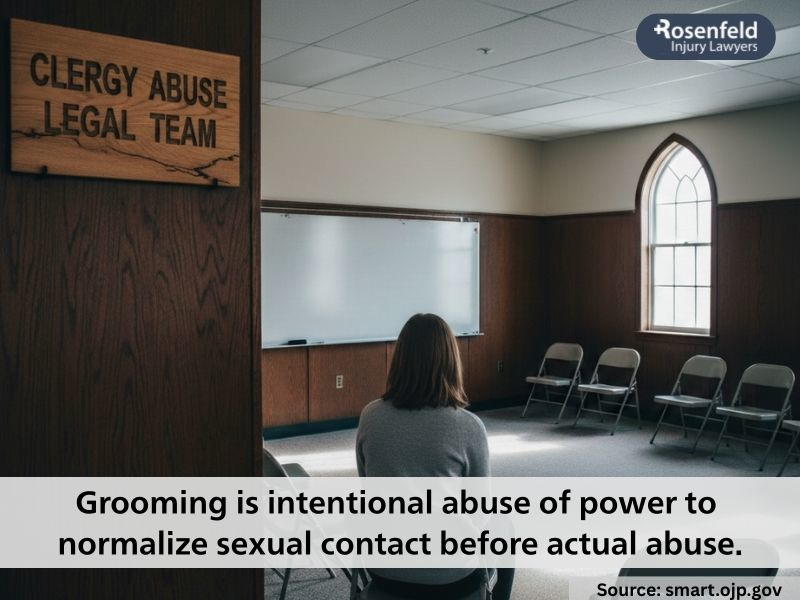
Sexual Exploitation During Pastoral Counseling or Spiritual Guidance
Many institutions offer trauma therapy or pastoral counseling for both children and adults. These are often one-on-one sessions, which increases the risk of religious sexual abuse.
Pastors or priests may misuse their spiritual authority for emotional manipulation, such as making the victim dependent on them in order to groom them into sexual activity. Because these sessions are private, the pastor can deny that the abuse occurred, creating a “he said, she said” situation.
Sexual Harassment Within Church Leadership or Ministry Teams
Sexual harassment is defined by the Equal Employment Opportunity Commission as unwelcome sexual advances, requests for sexual favors, or verbal and physical harassment with a sexual undertone.
Examples of sexual harassment in religious institutions include:
- Inappropriate or unwanted touching
- Sexual comments
- Coercion into sexual activity
- Abuse of power
- Creating a hostile work environment
Sexual harassment can happen against staff, congregants, and volunteers. These cases can be challenging to litigate, making it crucial that victims work with an experienced church sexual abuse attorney.
Title VII of the Civil Rights Act of 1964 has a ministerial exceptionthat protects religious institutions from equal opportunity cases. This has also been used to protect institutions from discrimination lawsuits, such as the US Supreme Court case Hosanna Tabor v. EEOC.
Grooming Behaviors Used to Manipulate Children and Vulnerable Adults
Grooming is the process of manipulating a victim, either a minor or a vulnerable adult, into engaging in unwanted sexual activity. According to the Rape, Abuse, and Incest National Network, a range of behaviors are used to facilitate grooming, including some of the following.
Targeting: Perpetrators will select a vulnerable person, often someone who has a troubled home life or a limited support network. Abusers usually have a “type,” including a preference for gender and age.
Building Trust: The perpetrator will build trust by seeming likable and approachable. They may adopt a mentor role, charming the victim’s loved ones.
Creating a Special Relationship: Victims are often showered with gifts and special attention. The perpetrator will offer support, such as rides to and from activities, tutoring, or exclusive experiences. Sometimes, the abuse occurs during trips, church outings, or sleepovers at the perpetrator’s home.
Role Creep and Isolation: Rather than acting like a priest or mentor, the perpetrator will begin acting like a peer and confidante. They may encourage inside jokes, suggest that the victim is a “special friend,” or imply that loved ones can’t understand their unique relationship.
Boundary Testing: Grooming rarely begins with sexual assault. Instead, the perpetrator will test boundaries through touches, flirtatious comments, massages, or hugs that last a little too long. This desensitization to physical contact then transitions into sexual assault.
Establishing Secrecy: Secrecy is a key element of grooming. The perpetrator will encourage the victim to stay silent about what is happening, saying it is “our little secret” or that the victim will get in trouble if they disclose the abuse.
Manipulation, Coercion, and Normalization: As the abuse continues, the perpetrator may gaslight the victim into believing sexual assault is normal. They may also tell the victim that they asked for it or that the abuse is their fault.
Grooming can cause severe emotional distress and long-lasting trauma. Sadly, these perpetrators are highly manipulative, and those around the victim may refuse to believe the abuse occurred, leading to further shame and fear. Religious institutions may insist that the perpetrator is a trusted member of the community and ignore any red flags.
Abuse Facilitated by Church Cover-Ups and Institutional Failures
Sexual abuse does not occur in a vacuum. Instead, it is facilitated by religious institutions that want to avoid bad press and protect the church’s reputation. These institutions will use a variety of tactics to deny that the abuse happened and prevent victims from speaking out.
Internal Transfers: Churches may transfer the offending priest or pastor to another church without informing congregation members of what happened.
Ignoring Complaints: Reports may be intentionally destroyed, misfiled, or lost. Church leaders may claim they reported it, but fail to do so.
Ministerial Exceptions: Churches may claim that the report is exempt from mandated reporting, such as claiming it was disclosed during confession or is privileged communication.
Minimizing Reports: Even if the church admits there was an allegation, they may insist the report was unsubstantiated or couldn’t be verified.
Victim Blaming: Leaders may attack the victim’s character, insist that they misunderstood what occurred, or say that the sexual activity was consensual.
You may qualify for a lawsuit against the Catholic Church if the institution used any of these tactics to deny that the abuse happened or minimize its liability.
Online or Digital Sexual Exploitation Involving Church Personnel
Digital abuse is recognized both legally and organizationally in church sexual exploitation lawsuits.
Under federal law, it is illegal for anyone to possess, download, share, or distribute any explicit images of children (18 U.S.C. § 2252). This includes pictures, videos, computer-generated material that is indistinguishable from an actual minor, or images that are manipulated to look like a minor.
The image does not have to show a minor engaging in sexual activity. A nude and sexually suggestive image is enough to prosecute a person for possession of child pornography. Additionally, the age of consent in the given state is irrelevant; federal law includes anyone under the age of 18.
However, the perpetrator does not need to have been in sexual contact with the child. Other modern dangers include online grooming, sexting, and inappropriate social media contact.
Sexual Misconduct Between Clergy and Adults in the Congregation
Adult victims can also seek compensation for sexual assault or misconduct. Religious figures may use the power imbalance to demand sexual favors from churchgoers, such as threatening them with spiritual consequences if they refuse to submit. In some cases, they may use information provided during confession to emotionally manipulate the victim.
Abuse Involving Vulnerable Adults, Elderly Parishioners, or Individuals With Disabilities
Churches and other religious organizations remain one of the largest sources of charity, with 40% of the country’s 50 largest charities having a religious affiliation. These institutions offer a range of social services, including nursing homes, hospice care, food banks, spiritual counseling, homeless shelters, disability services, and transportation support.
Elderly, disabled, and marginalized adults may be particularly vulnerable to manipulation, as their well-being depends on the church’s support. Abusers may threaten to reduce or remove their aid in order to force them into silence.
Similar to child sexual exploitation, abusive ministers and religious figures may exploit their image as a community leader to avoid accountability. The church may also cover for them, ensuring that they cannot be held responsible for abusing vulnerable individuals.
How Long After the Abuse Happened Can Survivors Take Legal Action
Each state has different statutes of limitation. Typically, the civil statute of limitations for adult survivors of sexual abuse is two to three years, similar to other personal injury claims.
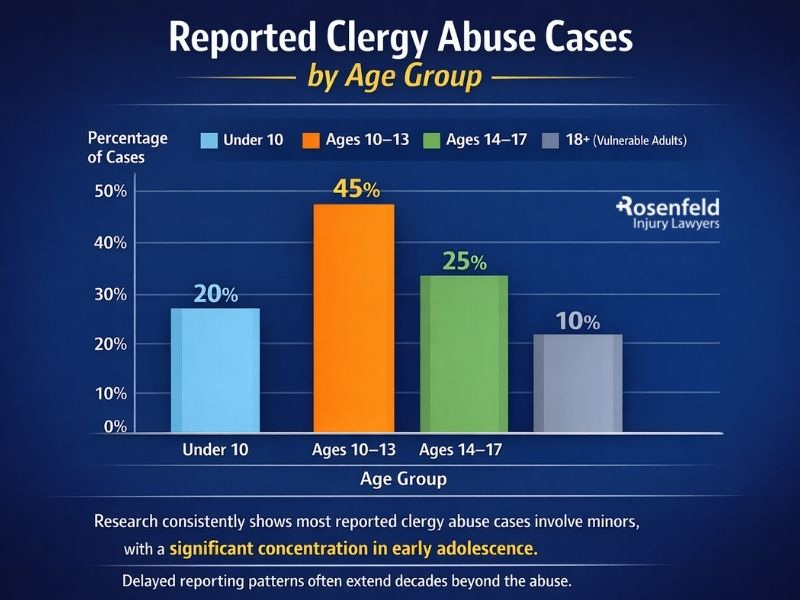
Many states have eliminated the civil statute of limitations for survivors of child sexual abuse, or they provide longer deadlines to recognize that victims may have trauma that prevents them from disclosing sooner.
Despite the longer statutes of limitations, you must begin the legal process as soon as possible. Evidence may be lost or destroyed over time, particularly physical evidence. Witness testimony can also become more unreliable if years or decades have passed.
Our compassionate and trauma-informed attorneys work on a contingency fee basis, meaning there are no out-of-pocket legal fees. Schedule a consultation is free and confidential.
Who Can Be Held Liable in Sexual Abuse Cases Involving Church Members?
Numerous parties may be held financially responsible for clergy sexual abuse settlements. These can include:
- Individual perpetrator
- Fellow clergy who were aware of the abuse
- Supervisors and administrators
- Church or school
- Summer camp, youth program, or Bible camp
- Property owners
- Archdiocese and religious institutions
Our attorneys will carefully review your claim to determine all liable parties, then begin negotiations with each organization or individual to ensure that you receive a fair settlement.
FAQs
What emotional and physical injuries are caused by church sexual abuse?
Sexual abuse affects the brain and can cause lasting damage long after the abuse occurred. Research demonstrates that survivors experience both emotional and physical effects, including diabetes, heart disease, depression, anxiety, and substance abuse disorders.
Who can file a Catholic Church sexual abuse lawsuit?
Our compassionate attorneys will investigate your eligibility to file a lawsuit against a church. To file a lawsuit, you must prove the four elements of negligence: duty of care, breach of duty, damages, and causation. These are explained as follows.
Duty of Care: The church had a responsibility to protect you from harm due to your association, such as being a parishioner or student at a religious school. This includes protecting you from inappropriate contact or non-consensual touching.
Breach of Duty: The church failed to protect you, such as by hiring an abusive priest, failing to supervise contact with children, or failing to intervene after a complaint was filed.
Damages: You suffered economic or non-economic damages. These can include medical costs, therapy bills, lost income, loss of normal life, or physical pain and suffering.
Causation: Your damages were directly caused by the church’s breach of duty.
What evidence is needed to file a sexual abuse claim?
Evidence needed to file a lawsuit against a church can include the following:
- Medical records
- Police reports, if available
- Forensic exam report, if available
- Witness statements and personal testimony
- Employment records
- School attendance records
- Private church communications
- Expert testimony, such as from a psychiatrist or doctor
- Proof of damages, such as lost income or medical expenses
Do victims need to confront their abusers when filing a lawsuit?
Many survivors are afraid of facing the perpetrators in court, but our trauma-informed attorneys will work hard to shield your privacy and limit any contact with the abuser.
The Department of Justice outlines tactics that prosecutors and civil litigators can use to reduce stress, support survivors, and prevent further emotional distress. This includes specialized interview tactics, an understanding of how survivors present their story, and ways to frame the narrative to reduce victim-blaming. Our goal is to demonstrate the legal standards for sexual assault without calling your reputation into question or forcing you to confront your attacker.
In many states, it is not always necessary for victims to appear during trial, though you have the right to attend any hearings if you so choose. Additionally, victims can participate in civil hearings via video conference to reduce trauma and enable them to share their story.
Other ways to prevent contact with the perpetrator include screens to shield you from the perpetrator in the courtroom or leaving through a separate door after your testimony is complete.
We can petition to have your civil lawsuit filed anonymously, typically under a pseudonym like Jane or John Doe. The vast majority of states also entitle victims to file anonymously and provide legal protections against having their names revealed during discovery.
How Injury Lawyer Team Can Help You File a Civil Lawsuit
Our firm will help you file sexual abuse lawsuits against all liable parties, ensuring that your privacy is protected every step of the way.
We will gather the necessary evidence, such as medical reports and witness testimony, and file a complaint with the appropriate court. Once this is complete, we will begin negotiations with the church’s insurance company to ensure that you receive full and fair compensation for the harm done.
While we encourage you to be a part of the negotiation process, we will also protect your privacy and handle all third-party communications on your behalf. Our team will minimize contact with the perpetrator while still keeping you aware of all developments in your case. Furthermore, we can direct you to local resources for assault survivors, such as counseling centers and victim advocacy groups.
A legal case can be overwhelming and frightening for an assault survivor, which is why we practice trauma-informed legal advocacy. Our attorneys are members of the American Association for Justice who are committed to supporting survivors at every step of the process. You can be assured of caring, confidential legal expertise that will help you move forward in your healing journey.
Injury Lawyer Team works on a contingency fee basis: no fees unless we win. To schedule your free and confidential consultation, call us at 866-757-6452 or use our online contact form.
All content undergoes thorough legal review by experienced attorneys, including Jonathan Rosenfeld. With 25 years of experience in personal injury law and over 100 years of combined legal expertise within our team, we ensure that every article is legally accurate, compliant, and reflects current legal standards.