

Sexual Abuse and Assault Injury Lawyers


What to Do If You Suspect Nursing Home Abuse
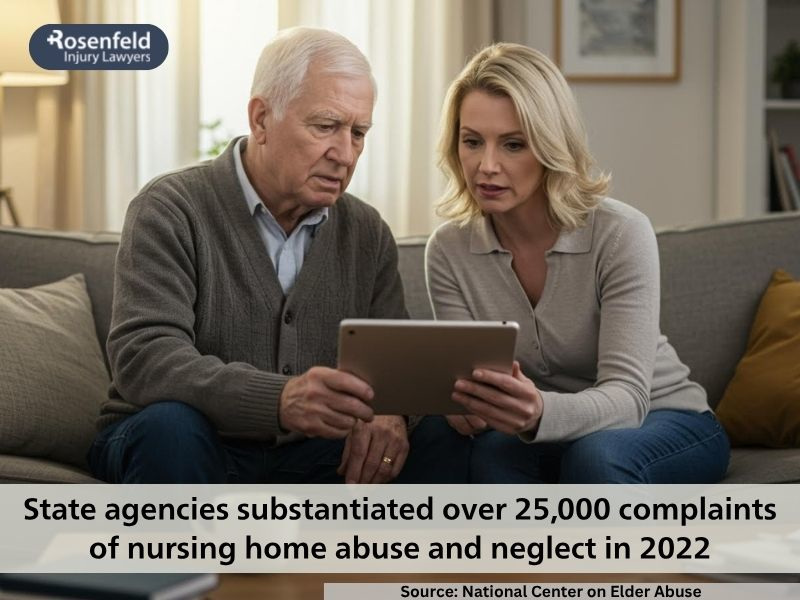
At Injury Lawyer Team, we help families take immediate action when they believe something is wrong inside a nursing facility. Knowing what to do if you suspect nursing home abuse can protect your loved one’s safety and preserve critical evidence for an abuse lawsuit. Too often, residents depending on caregivers for daily needs experience abuse or neglect that goes unnoticed until it’s too late.
Our firm stands with family members seeking justice for vulnerable adults harmed in nursing homes, ensuring every report is investigated and every responsible party is held accountable for the trauma they caused.
Look for Warning Signs of Elder Abuse in a Nursing Home
Recognizing the signs of elder abuse is the first step in prevention. Family members are often the first to notice small but alarming changes. Trust your instincts, if your loved one’s condition, behavior, or surroundings seem unusual, something may be wrong.
Red flags to watch for include:
- Unexplained bruises or fractures: May indicate rough handling or falls caused by neglect.
- Poor hygiene or weight loss: Suggests failure to assist with bathing, feeding, or medications.
- Sudden changes in mood or fear of staff: Could mean emotional abuse or intimidation by nursing home staff members.
- Unsanitary living conditions: Dirty linens, clutter, or foul odors compromise safety and health.
- Pressure sores or untreated medical issues: Often point to long-term neglect or lack of medical care.
Other indicators include missing personal items, overuse of sedatives, lack of eye contact, or refusal to speak when nursing home caregivers are present. Some patients show subtle signs such as confusion, sleep disturbances, or depression linked to ongoing emotional harm. If something feels wrong, take it seriously. Protecting your loved ones begins by trusting your instincts.
Seek Medical Attention Immediately
If your loved one is in immediate danger, contact 911 or take them to an emergency room without delay. Doctors can treat injuries, identify physical harm, and create independent medical records crucial to later legal action.
Even minor bruises, infections, or behavioral changes should be examined by a neutral healthcare provider. Hospitals are required to document their findings and can help determine whether abuse or neglect inside the nursing home caused the condition. Quick action safeguards the resident’s well-being and helps preserve evidence that might otherwise disappear.
If the facility resists or delays outside medical evaluation, insist on your right to seek external services. Timely medical attention protects your family member’s safety and strengthens your case if you decide to pursue an abuse lawsuit.
Talk to the Resident (If Possible)
Conversations about suspected abuse can be sensitive. Choose a quiet, private setting away from the nursing home staff and caregivers. Start gently, letting your loved one know you’re there to support them.
Ask open-ended questions like, “Has anyone made you feel uncomfortable?” or “Are you getting the help you need?” Listen closely for hesitation, fear, or defensiveness. Many victims are afraid to speak because they depend on abusers for care or fear retaliation.
If the resident reveals mistreatment, remain calm and assure them you’ll keep their information private while taking immediate action to protect them. Avoid confronting the suspected abuser until your concerns are formally reported to police or adult protective services.
Document Everything You Notice
Detailed records can make or break an abuse lawsuit. When you suspect nursing home abuse, it’s crucial to collect and preserve every possible piece of evidence. Keep a written and photographic record of what you see, hear, and experience whenever you visit your loved one. Even the smallest detail can reveal patterns of neglect or abuse later on.
Keep the following organized and updated:
- Dates, times, and details of every incident or new injury, including who was involved and how the situation unfolded.
- Photos of unexplained bruises, poor hygiene, unsanitary nursing home rooms, or visible changes in your loved one’s well-being.
- Copies of medical reports, medications, and doctor notes, along with any records showing missed treatments or conflicting explanations from the staff.
- Records of communications with social workers, facility administrators, caregivers, or state agencies. Include emails, voicemails, or written notes that reflect staff responses to your concerns.
Documenting patterns, such as when injuries occur, what shifts were on duty, or whether caregivers changed unexpectedly, can expose a repeated failure to protect residents. Consistent, detailed documentation builds credibility and strengthens your ability to report the abuse effectively and take decisive legal action to protect your loved one’s safety and well-being.
Speak to Nursing Home Management
Notify the facility administrator or director of nursing in writing. Be specific about what you’ve observed and demand that an internal investigation begin immediately. Under the Nursing Home Reform Act (42 U.S.C. § 1395i-3), every nursing home must investigate allegations of abuse or neglect, safeguard the resident’s well-being, and report findings to regulatory authorities.
Keep copies of all correspondence and note the names and offices of those you speak with. If management avoids your concerns, refuses to act, or downplays the issue, that behavior itself is a sign of serious systemic neglect. Continue escalating through outside agencies until you’re confident your loved one is safe.
Report the Suspected Abuse or Neglect to Authorities
It’s essential to report a nursing home for abuse as soon as possible. If the resident faces immediate danger, contact local police or emergency responders without delay. Law enforcement can remove the victim from harm, collect physical evidence, and initiate criminal charges if warranted. In non-emergency cases, you can also report abuse through several official channels that specialize in protecting vulnerable adults.
Adult Protective Services (APS) should be your first call. Contact your local adult protective services office to request an investigation into suspected abuse or neglect of elders. APS investigators have authority to enter facilities, interview staff, and coordinate with social services and law enforcement when necessary.
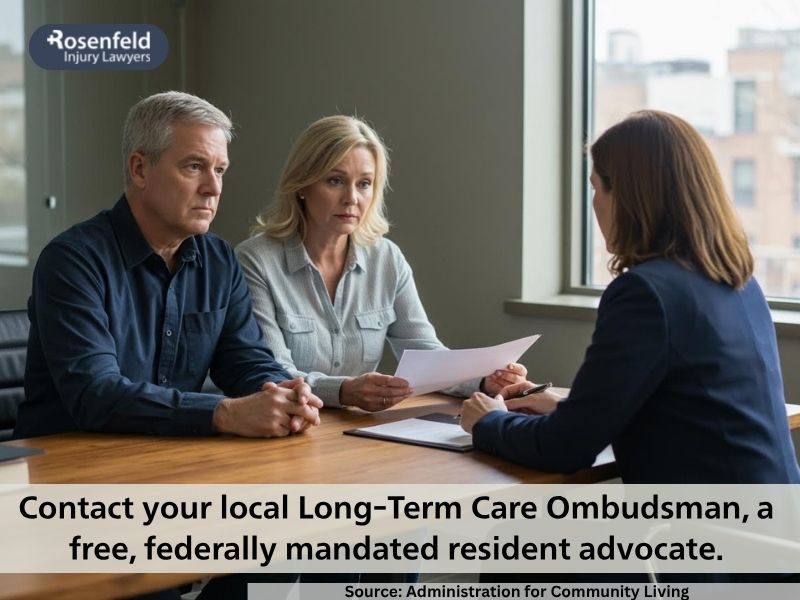
You may also reach out to your State Long-Term Care Ombudsman, an independent advocate who monitors nursing homes, ensures residents’ rights are protected, and helps families navigate the complaint process.
Additionally, every state’s Department of Health or licensing agency oversees the licensing and inspection of facilities, enforcing penalties for substandard care or violations of state law. Submitting a report here ensures the issue is on record and can lead to follow-up inspections or sanctions.
If you believe a specific staff member caused intentional harm or neglect, you may also make a report directly to police or the county prosecutor’s office.
Most states allow anonymous reporting of nursing home miscoduct and protect those who act in good faith. Promptly contacting these authorities helps protect your loved ones, initiates independent investigations, and prevents other residents and patients from suffering the same abuse or neglect in the future.
Consider Relocating the Resident
If the facility feels unsafe or unresponsive, prioritize your loved one’s safety by moving them to another nursing home or arranging home-based care. Coordinate with doctors, case managers, and social services to ensure a smooth transition. Gather all medical records, prescriptions, and personal items before leaving.
Relocating may be emotionally difficult but often necessary to prevent further harm. The goal is to restore the elder’s well-being in a secure, respectful environment where their dignity and health come first.
Secure Justice for Your Elderly Loved One
When nursing home abuse occurs, families have a right to pursue legal action. Our experienced nursing home sexual abuse attorney team investigates every detail, working with experts to prove negligence, secure compensation, and bring peace of mind to victims and their families. We handle all cases on a contingency fee basis, so you pay nothing unless we win.
Our free and confidential consultation lets you speak with a compassionate attorney who will explain your options, help you report abuse or neglect, and take swift steps to protect your loved one. Contact Injury Lawyer Team today to stop the abuse and pursue justice for every resident who deserves proper care, compassion, and healing from the trauma they endured.
All content undergoes thorough legal review by experienced attorneys, including Jonathan Rosenfeld. With 25 years of experience in personal injury law and over 100 years of combined legal expertise within our team, we ensure that every article is legally accurate, compliant, and reflects current legal standards.