



The Importance of Confidentiality in Sexual Abuse Cases


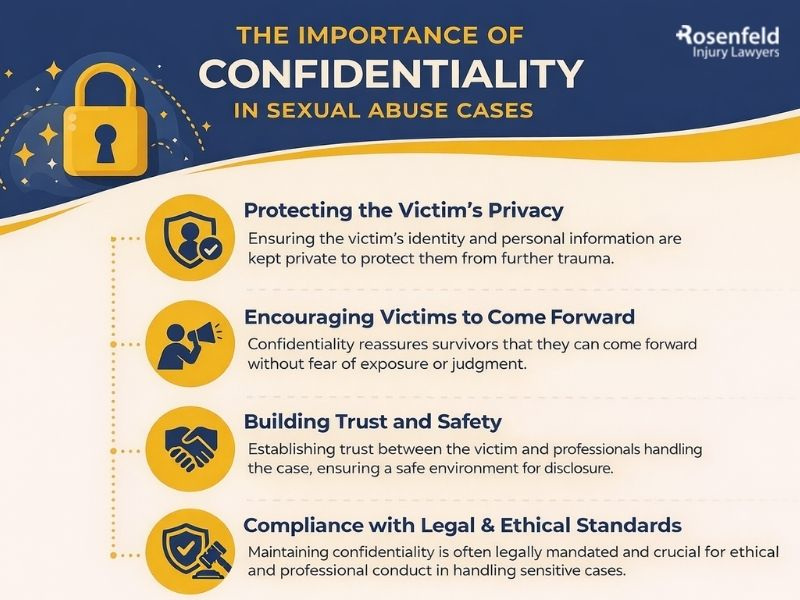
The importance of confidentiality in sexual abuse cases cannot be overstated. Fear of public exposure or retaliation often prevents survivors from coming forward, especially when cases involve deeply personal details, medical history, and family members.
We understand that choosing to report abuse or pursue legal action is a deeply personal decision, and protecting confidentiality is essential to safety, dignity, and the ability to seek justice. At Injury Lawyer Team, we are built on trust and discretion. From the first confidential call forward, our legal team is committed to supporting you and protecting your privacy throughout your legal journey.
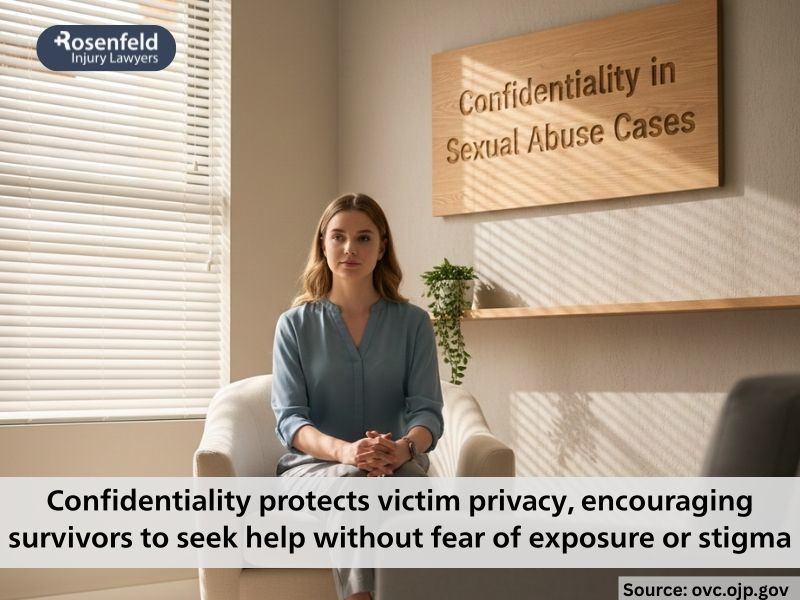
Why Is Maintaining Confidentiality Important During the Legal Process of Filing a Sexual Abuse Lawsuit?
Maintaining confidentiality during the legal process is often critical for survivors of sexual abuse. Many of our clients worry about public scrutiny, media attention, or having their personal information become part of public court records.
These concerns are valid. Sexual abuse lawsuits can involve intimate facts about a survivor’s body, mental health, medical care, and personal history: information that should not be exposed unnecessarily.
For some survivors, confidentiality is the deciding factor in whether they pursue justice. The option of filing a sexual abuse lawsuit anonymously can make legal action feel possible when it otherwise would not.
Anonymous filings, protective court orders, sealed records, and privacy agreements can help shield survivors from public exposure while still allowing the legal system to address institutional failures and misconduct.
Confidentiality also protects survivors from retaliation or harassment. In cases involving domestic violence, powerful institutions, or individuals with authority, survivors may fear professional consequences, social backlash, or threats to their safety. Maintaining privacy allows survivors to seek justice while minimizing risk during the investigative process.
From a legal strategy perspective, confidentiality helps ensure that survivors can make informed decisions without outside pressure. Defense attorneys often attempt to intimidate or discredit survivors through public narratives. By limiting what becomes public, our legal counsel helps preserve our clients’ control over their own story and supports their ability to pursue justice without unnecessary harm.
Preserving confidentiality allows survivors to seek accountability and justice while minimizing risk during the investigative process, particularly when there is concern about retaliation, intimidation, or imminent harm.
Are There Any Confidentiality Laws Providing Legal Protections in Sexual Abuse Cases?
Multiple confidentiality regulations and laws at both the federal and state levels provide important legal protections for sexual assault survivors. These laws recognize that sexual abuse cases are unique and that survivors deserve safeguards throughout legal proceedings.
Below, we explain key laws that commonly apply in sexual abuse lawsuits. These laws work together to protect client confidentiality, confidential legal communications, medical documentation, and sensitive personal information throughout the legal process.
Federal Laws
Several laws establish confidentiality protections on the federal level that directly or indirectly affect sexual abuse lawsuits.
Attorney-Client Privilege
Attorney-client privilege is one of the most fundamental protections in the legal system. It ensures that communications between survivors and their legal representatives remain private.
This allows survivors to share their experiences honestly without fear that their words will later be disclosed to defense lawyers or the public. Protecting client confidentiality is not only a legal requirement but also a legal and ethical duty that guides every interaction between our law firm and the survivors we represent.
Violence Against Women Act (VAWA)
The Violence Against Women Act includes confidentiality provisions designed to protect survivors of sexual violence and domestic abuse. These provisions limit the disclosure of identifying information by advocates, service providers, and institutions receiving federal funding. VAWA recognizes that confidentiality is essential to seeking support, reporting abuse, and preventing future harm.
Health Insurance Portability and Accountability Act (HIPAA) and Medical Privacy Laws
Federal medical privacy laws, such as HIPAA, protect survivors’ medical records, including those for mental health treatment and counseling. In sexual abuse cases, treatment is often relevant to damages, but disclosure is limited and controlled. Court orders are typically required before medical documentation can be accessed, and only information relevant to the legal action may be disclosed.
Title IX (In Education-Related Cases)
In cases involving schools, universities, or youth programs, Title IX includes privacy protections for survivors who report sexual abuse. While institutions must investigate, they must also limit the disclosure of personal information whenever possible.
Together, these laws create a framework of legal protections that support confidentiality while allowing survivors to explore legal options.
State Laws
State laws often provide even more specific confidentiality protections in sexual assault lawsuits. While the exact statutes vary by jurisdiction, many states recognize the value of confidentiality in sexual assault cases and authorize courts to limit public disclosure.
Anonymous Filings and Pseudonyms
Many states allow sexual abuse survivors to file lawsuits using initials or pseudonyms rather than full legal names. This is especially common in cases involving minors, institutional abuse, or ongoing safety concerns.
Sealed Records and Protective Orders
Judges have the authority to issue a judicial order sealing certain filings or restricting access to open court records. This helps prevent unnecessary public disclosure of sensitive information while allowing the case to proceed.
Rape Shield Laws
Rape shield laws limit the ability of defense lawyers to introduce irrelevant information about a survivor’s sexual history. These laws protect survivors from invasive tactics that have no legitimate place in legal proceedings.
Victim Advocate Privileges
Many states recognize privileged communications between survivors and advocates. These confidentiality protections encourage survivors to seek support without fear that their conversations will be disclosed later.
These state-level legal safeguards reinforce that confidentiality matters, both ethically and legally.
Why Confidentiality Matters During Settlement Agreements?
Confidentiality plays a major role in sexual abuse settlements. Settlement agreements often include privacy agreements that restrict what information can be shared publicly. For many survivors, this is a critical benefit of resolving a case outside of trial.
Confidential settlements can protect survivors from reliving trauma in open court, limit media coverage, and avoid sharing their story publicly without their consent. This can be especially important when survivors want to protect family relatives, preserve privacy in their professional lives, or simply move forward without ongoing public attention.
At the same time, confidentiality in settlement negotiations and agreements must be handled carefully. Survivors should understand the rights they are giving up and the information that can still be shared. Our attorneys ensure our clients make decisions with clarity that align with their goals, values, and need for safety.
Confidentiality during settlement does not mean silence about systemic wrongdoing. In many cases, confidential settlements still lead to policy changes, institutional reforms, and steps to prevent future abuse.
How We Can Help You Explore Legal Remedies for Confidentiality
We guide survivors who wish to file a sexual abuse lawsuit through the legal process with privacy, respect, and care at every stage. Our role is to help you explore your legal options while preserving confidentiality and protecting your private information.
- Confidential Initial Consultation: Your first call with our firm is private and judgment-free. We listen to your story, explain your legal options, and answer questions about confidentiality and privacy laws, open court records, and potential risks of public disclosure.
- Anonymous and Protective Filings: When appropriate, we pursue legal strategies, such as filing under a pseudonym, requesting sealed records, or seeking a protective order to limit disclosure during legal proceedings.
- Privacy-Focused Legal Strategy: Our legal professionals build a case designed to minimize public scrutiny while pursuing justice. We anticipate the tactics defense lawyers may use and take steps to safeguard client privacy throughout the investigation.
- Careful Handling of Sensitive Records: We manage health care records, mental health documentation, and other sensitive materials with strict discretion, challenging unnecessary disclosure and protecting the lawyer-client privilege.
- Confidential Settlement Guidance: If a case resolves through a settlement, we clearly explain confidentiality agreements so you can decide what remains private and what can be shared.
- Support Beyond the Lawsuit: We connect clients with advocates, rape crisis centers, and other resources to access support services, recognizing that pursuing a lawsuit is only one part of the healing journey.
We handle cases on a contingency fee basis and offer free, confidential consultations. We stand with you and remain committed to protecting your privacy while helping you attain justice and prevent future abuse.
All content undergoes thorough legal review by experienced attorneys, including Jonathan Rosenfeld. With 25 years of experience in personal injury law and over 100 years of combined legal expertise within our team, we ensure that every article is legally accurate, compliant, and reflects current legal standards.