



The Impact of Trauma on Legal Proceedings


The legal system is designed to ensure that those who wrong others are punished. In civil court, victims can seek fair compensation for damages arising from the defendant’s actions. The criminal justice sector administers punishment for the perpetrators of crimes. However, the impact of trauma on legal proceedings can play a significant role in the victim’s experience.
Trauma survivors often face emotional and physical challenges during the legal process. It can make pursuing civil action or being involved in a criminal case overwhelming. At the Injury Lawyer Team, we will stand by your side during your civil lawsuit to protect your mental health and help you navigate the complexities of the legal system.
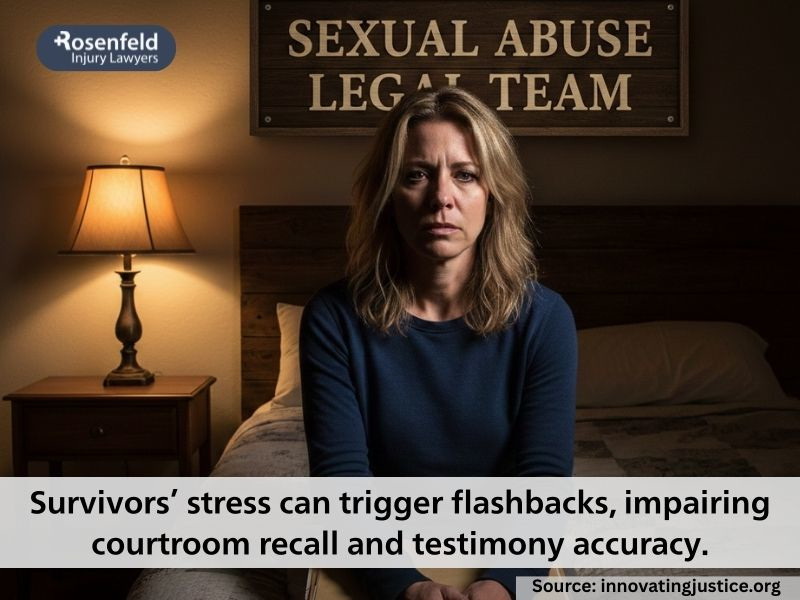
How Does Trauma Impact Cases in the Civil and Criminal Justice System?
Trauma refers to the physical or psychological damage suffered by the victim of some form of misconduct. Whether you were involved in a car accident that caused serious injuries or you were sexually abused by someone you should have been able to trust, you could be dealing with Post-Traumatic Stress Disorder or other psychological challenges.
In a high-stress environment, such as a courtroom, the sensitivities surrounding survivors may be exploited.
For example, a person with trauma from sexual abuse may have some memory gaps about the misconduct because their brain has blocked out some of the recollections. This can make it difficult during cross-examination by the defense’s legal team, where they will exploit these knowledge gaps to imply that your story keeps changing or is unreliable.
Another concern is that the intensity of the courtroom environment can overwhelm a victim who is facing a physical or emotional recovery. This could lead to the victim shutting down during questioning as they relive their trauma. The victim may also exhibit an unpredictable emotional response to the situation, raising doubts about their authenticity.
The main issue is that the adversarial nature of legal principles and the tactics of opposing attorneys are a difficult recipe to manage if you are struggling with trauma.
How Implementing Trauma-Informed Practices Can Improve Legal Cases
A trauma-informed courtroom can ensure that justice is still possible for the victim, even if they are struggling to deal with some of the legal challenges because of the events they experienced. Our trauma-informed legal representation can advocate vigorously for your rights and ensure a fair courtroom in your civil case.
Let’s look at a few ways that trauma-sensitive practices can improve legal cases:
- More breaks are instituted throughout the process to allow the victim to rest between lines of questioning or after there is evidence presented
- The victim is allowed to testify either remotely or from a private room, so they are separated from the crowded courtroom
- Attorneys informing the judge about your trauma and how it should be handled for a fair legal process
- Testimony from mental health professionals to address how trauma may affect a person’s testimony, such as emotional distress, dissociation, fluctuating memory functions, and difficulty answering adversarial questions
How Does Trauma and Emotional Distress Impact the Statute of Limitations?
In many personal injury cases, the statute of limitations begins on the date of the incident or the date of discovery of the injuries. However, if there is trauma affecting the victim, these deadlines could be shifted, especially for the statutes of limitations for sexual abuse.
Here are a few scenarios where the statute of limitations may be delayed due to trauma:
- If the victim did not discover the connection between their suffering and the inciting incident due to trauma, the statute of limitations may begin upon discovering this circumstance.
- Psychological effects of trauma, such as Post-Traumatic Stress Disorder or anxiety, do not always manifest immediately after a traumatic event. Therefore, the timeline for a legal case may be delayed until the date when the mental health issues began to manifest.
- A particularly traumatic incident could incapacitate a victim mentally or physically. In this case, there is no expectation that they will be able to pursue legal action. An experienced legal professional can extend the statute of limitations until the individual can file a lawsuit.
- If the victim of sexual abuse or another personal injury is a child, the clock for a legal case typically doesn’t start until they turn 18 years old.
Many states are evolving to give survivors more time to process and report their traumatic experiences. Our law firm had stood side by side with many survivors to fight for fair treatment throughout the civil legal process.
We Can Help You Navigate the Legal System Using a Trauma-Informed Approach
The Injury Lawyer Team has years of experience helping survivors of sexual abuse pursue justice via lawsuits. We understand how to provide compassionate legal support, giving you a space to tell your story. Together, we will fight for fair compensation while holding the at-fault parties accountable.
Our attorneys can provide the following legal services during your sexual abuse lawsuit:
- Investigating your case to determine its viability
- Gathering evidence of negligence or misconduct
- Assessing all legal damages for maximum compensation
- Protecting your rights under state and federal laws
- Negotiating with defendants and insurance companies
- Litigating in civil court if necessary
Our legal representatives work on a contingency-fee basis, meaning you owe nothing unless we win your legal case. If you or a loved one has suffered severe trauma due to sexual abuse, contact us today at 866-757-6452 or complete the online form to schedule a free and confidential consultation.
All content undergoes thorough legal review by experienced attorneys, including Jonathan Rosenfeld. With 25 years of experience in personal injury law and over 100 years of combined legal expertise within our team, we ensure that every article is legally accurate, compliant, and reflects current legal standards.