



Sexual Assault PTSD


Sexual assault PTSD is a life-altering condition that affects many people who have experienced sexual violence, sexual abuse, or another deeply traumatic event.
At Injury Lawyer Team, we work closely with sexual abuse survivors and their families, and we see firsthand how post-traumatic stress disorder (PTSD) can disrupt every part of a person’s life: emotionally, physically, and financially. You’re not alone in this process.
We stand with you, we believe in your case, and our firm is here to help survivors seeking accountability, healing, and justice after trauma.
Countless survivors come to us after a recent sexual assault, attempted rape, or another form of sexual trauma, unsure of what they’re experiencing or whether what they feel is “normal.” PTSD is not a weakness.
It is a recognized mental health disorder that can develop after a traumatic incident, including rape, assault, abuse, and other types of violence. Understanding sexual abuse PTSD is often the first step toward recovery, and toward protecting your legal rights.
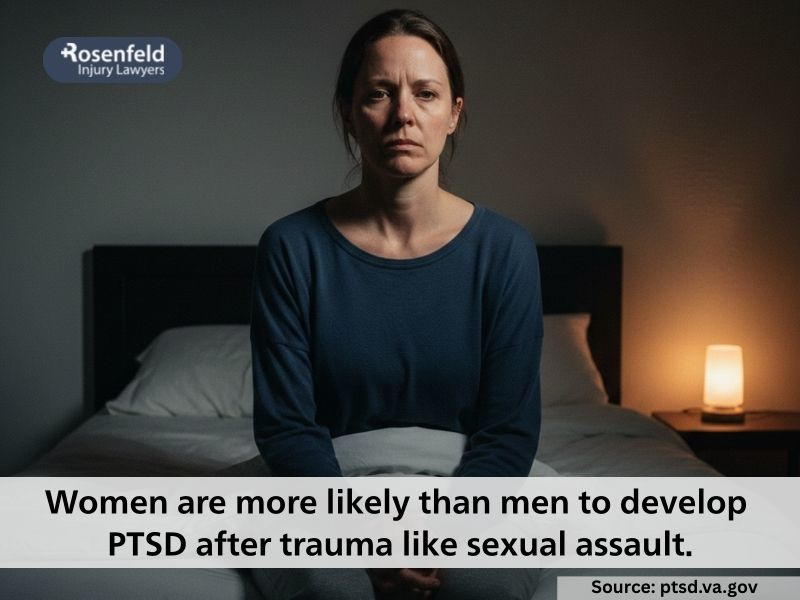
How Common Is Post-Traumatic Stress Disorder Among Sexual Assault Survivors?
Post-traumatic stress disorder is alarmingly common among people who’ve experienced sexual assault. Research consistently shows that sexual violence carries a greater risk of PTSD than many other traumas, including natural disasters and serious accidents.
Meta-Analysis Findings on PTSD in Sexual Violence Survivors
A major meta-analysis published in Frontiers in Psychology reviewed prior findings from 22 unique samples involving 2,106 survivors of sexual assault.
The study found that 74.58% of individuals met diagnostic criteria for PTSD within the first month following sexual assault, and 41.49% still met diagnostic criteria one year later. PTSD symptom severity was nearly half of the maximum clinical severity in the immediate aftermath, decreasing over time but remaining significant for numerous survivors.
The research also showed that most symptom recovery occurs within the first three months after the assault. After that point, recovery often slows, meaning early access to mental health care can be critical. These findings confirm what a large portion of survivors already know: PTSD following sexual assault is both common and severe, and without support, symptoms can persist for years.
People who’ve endured sexual violence often face unique risk factors, including shame, fear, and a sense that what happened has permanently altered their lives. Compared to other traumatic experiences, such as war exposure, environmental catastrophes, or accidents, sexual trauma carries a particularly high emotional burden because it involves violation, power, and personal safety.
What Are the Most Common PTSD Symptoms Following Sexual Violence?
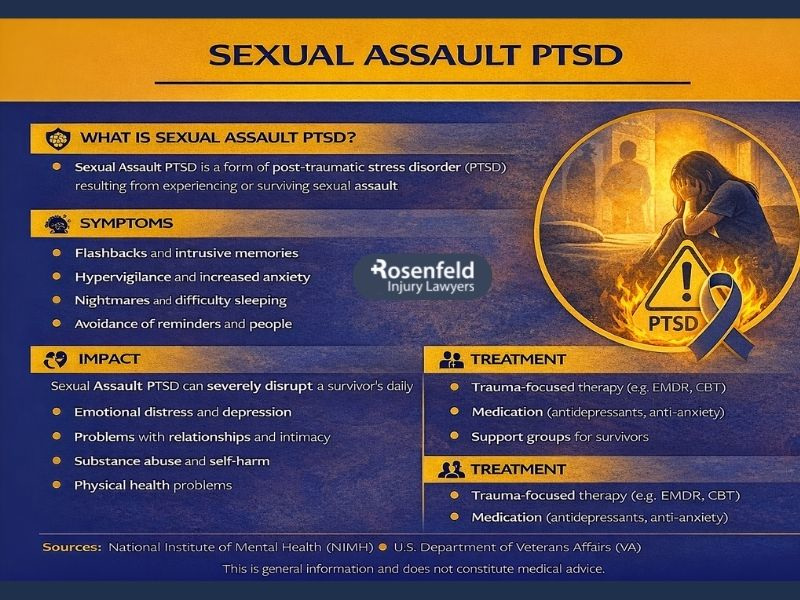
The symptoms of posttraumatic stress disorder vary from person to person, but many survivors experience a recognizable pattern after a sexual assault or other distressing experience. These symptoms can appear immediately or develop gradually over time.
Common PTSD symptoms include:
- Flashbacks and intrusive memories, where the assault feels as though it’s happening again
- Nightmares related to the sexual act, the assault, or feelings of fear and helplessness
- Avoidance behaviors, such as avoiding places, people, or situations connected to what happened
- Hypervigilance, including an exaggerated startle response and a constant sense of danger
- Emotional numbness or detachment from loved ones and daily life
- Intense anxiety, panic attacks, or persistent fear
- Shame, guilt, and self-blame, which are especially common among survivors of sexual abuse
- Difficulty sleeping, concentrating, or coping with everyday responsibilities
Many survivors also report physical reactions, such as a racing heart, nausea, and shaking, when reminded of the traumatic event. PTSD is not just emotional; it affects the body, relationships, work, and a person’s overall sense of safety.
We often remind our clients that these symptoms are the mind and body’s response to experienced trauma. They are not a reflection of weakness or failure. With appropriate support, many survivors develop coping strategies that help them regain control and rebuild their lives.
What Other Mental Health Conditions Are Common After Sexual Trauma?
Sexual trauma rarely exists in isolation. Many survivors develop additional psychological conditions alongside PTSD, especially when trauma is untreated or compounded by other forms of abuse.
Common co-occurring psychological conditions include:
- Depression, including persistent sadness, hopelessness, and loss of interest in life
- Anxiety disorders, which may involve constant worry, panic attacks, or social withdrawal
- Suicidal thoughts, especially during periods of intense emotional distress
- Self-harm behaviors and attempted suicide, sometimes used as a way to cope with overwhelming feelings
- Substance misuse, often an attempt to numb emotional pain
- Complex trauma responses, particularly among people who experienced abuse over time
Survivors who’ve experienced sexual assault may also struggle with trust, relationships, and identity. Many women, men, and children report feeling disconnected from their bodies or their sense of self. Psychological well-being, including trauma-informed therapy, can play a crucial role in recovery.
Treatments such as cognitive behavioral therapy and trauma-focused counseling have been shown to help survivors process trauma, reduce symptoms of PTSD, and develop healthier coping skills. Healing is not linear; however, with appropriate support, recovery is possible.
Can Sexual Abuse Victims Recover Compensation for PTSD?
Yes. Survivors who experienced sexual abuse, sexual assault, or other types of sexual violence may be able to pursue compensation for PTSD and related harm through a civil claim. While criminal cases focus on punishment, civil cases focus on accountability and the survivor’s losses.
PTSD is a recognized injury under the law. Just like physical harm, it can require long-term treatment, disrupt employment, and affect quality of life. Survivors pursuing compensation may be entitled to recover damages for both emotional and financial harm.
Types of damages that may be available include:
Economic Damages
Economic damages cover the financial losses survivors may face after sexual abuse or another severely upsetting experience, particularly when PTSD and related conditions require ongoing care.
- Mental health treatment and therapy costs: Costs for counseling, trauma-informed therapy, and treatment for post-traumatic stress disorder.
- Medical expenses related to physical injuries: Emergency care, follow-up visits, and treatment for bodily injuries resulting from the assault.
- Prescription medications: Medications used to manage symptoms of PTSD, anxiety, depression, or sleep disturbances.
- Lost income or reduced earning capacity: Wages lost due to time away from work or long-term limits caused by PTSD.
- Future treatment needs: Anticipated costs for ongoing therapeutic care and related treatment.
Non-Economic Damages
Non-economic damages recognize the emotional and psychological harm survivors experience, even when those losses are not tied to specific bills.
- Emotional distress and trauma: Lasting emotional harm caused by sexual violence and experienced trauma.
- Pain and suffering: Physical pain and ongoing psychological suffering linked to the assault.
- Loss of enjoyment of life: Reduced ability to enjoy relationships, daily activities, or personal interests.
- Anxiety, fear, and ongoing emotional harm: Persistent anxiety, fear, and emotional distress following the traumatic incident.
Punitive Damages
In cases involving extreme misconduct, institutional failures, or intentional abuse, punitive damages may be awarded to punish wrongdoing and deter future harm.
Every case is different. Factors such as the nature of the assault, the impact on the survivor’s life, and who may be legally responsible all matter. Our role is to assist survivors in identifying their options and pursuing justice at their own pace.
How Injury Lawyer Team Can Help
At Injury Lawyer Team, we stand with survivors throughout the legal process. We understand that coming forward takes courage, and we approach every sexual abuse lawsuit with compassion, discretion, and respect.
Our firm can help by:
- Listening to your story and helping you understand your legal rights
- Identifying responsible parties, including individuals and institutions
- Gathering evidence and working with experts to document PTSD and other injuries
- Coordinating with mental health professionals when appropriate
- Handling communication with insurance companies and defense attorneys
- Calculating and presenting the full scope of your damages
- Negotiating settlements when resolution is possible
- Preparing your case for trial, if necessary
- Standing with you throughout the legal process
We represent survivors in sexual abuse cases on a contingency fee basis, meaning you won’t pay anything out of pocket, and you owe no legal fees unless we obtain compensation for you. We also offer a free, confidential consultation so that you can speak with our team without pressure or obligation.
If you or someone you love has endured sexual assault, abuse, or another traumatic experience, you deserve support and accountability. We believe survivors. We stand with you, and we’re here to help you move forward when you’re ready.
All content undergoes thorough legal review by experienced attorneys, including Jonathan Rosenfeld. With 25 years of experience in personal injury law and over 100 years of combined legal expertise within our team, we ensure that every article is legally accurate, compliant, and reflects current legal standards.