



Sexual Abuse vs Sexual Assault


Understanding sexual abuse vs sexual assault can feel overwhelming, especially soon after the harm has occurred. Although these terms are often used interchangeably, they carry different legal, emotional, and social meanings. At Injury Lawyer Team, we stand with survivors and families as they seek clarity, protect their well-being, and consider their next steps.
Sexual abuse can affect people of any age, gender, or background, whether it involves unwanted touching, physical force, intimidation, or abuse of authority. We help survivors understand their rights, access support, and pursue accountability in ways that respect healing and personal boundaries.
What Are the Different Types of Sexual Violence?
Sexual violence is a broad term that includes many forms of harmful sexual behavior. The nature of some acts can involve physical contact or penetration, while others rely on threats, coercion, or abuse of power. What these experiences share is a lack of consent and a violation of a person’s body, autonomy, and well-being.
Such violence can occur once or repeatedly, involve another person known to the victim or a stranger, and affect children, adults, women, men, and people with disabilities. Below, we break down several common categories to help clarify language that is often confusing or misused.
Sexual Abuse
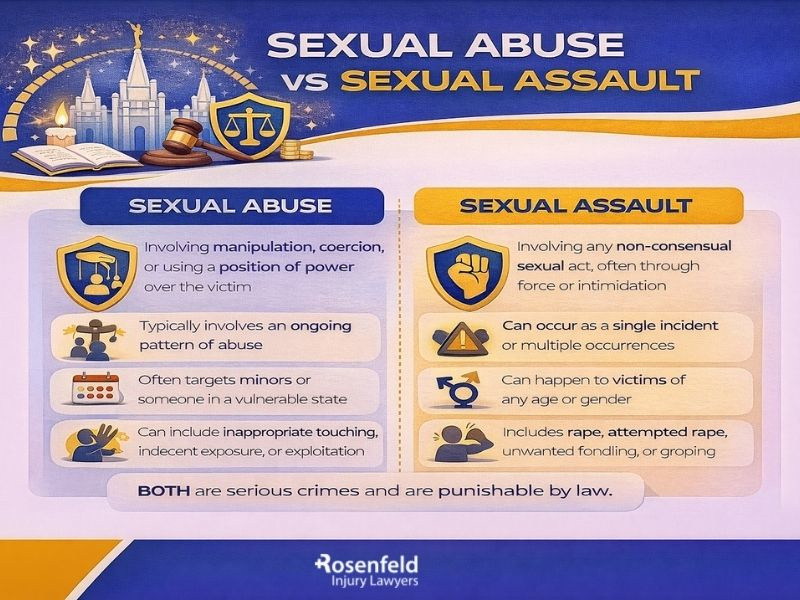
Sexual abuse refers to a pattern of sexual behavior that occurs without consent or when consent cannot legally be given. It often involves an imbalance of power, authority, age, or dependence. A victim may be sexually abused by a family member, caregiver, teacher, religious leader, coach, employer, or another person in a position of trust.
Child sexual abuse is one of the most devastating forms of abuse. A minor cannot consent to intimate contact or sexual acts with an adult or older youth. This can include molestation, unwanted touching of a body part, exposure, penetration, or forcing a child to engage in sexual relations. Alcohol, threats, intimidation, or manipulation may be used to silence the child.
Sex abuse can also affect adults, particularly those with disabilities, health conditions, or dependence on caregivers. Survivors often experience emotional distress, fear, pain, and long-term psychological harm, including post-traumatic stress disorder. Abuse may happen repeatedly over time, making it even harder for victims to speak out.
Sexual Assault
Sexual assault typically refers to a specific act or attempted act of sexual violence. This can include rape, attempted rape, or non-consensual sexual contact involving the use of force, threats, or incapacitation. Sexual assault may include penetration, forced sexual acts, or sexual activity performed against a person’s will.
Unlike sexual abuse, which often reflects ongoing behavior, sexual assault may occur as a single incident. However, the impact on the victim’s life, health, and sense of safety can be profound. Survivors may struggle with fear, anxiety, physical injury, and concerns about reporting what happened.
Sexual assault can be committed by a stranger, an acquaintance, a partner, or any other person known to the victim. It can occur in homes, schools, workplaces, institutions, or public spaces. Regardless of where or how it happened, responsibility always lies with the perpetrator.
Sexual Harassment
Sexual harassment involves unwanted sexual behavior that creates a hostile, intimidating, or abusive environment. This may include requests for sexual favors, sexually explicit comments, touching, or pressure to engage in sexual relations. Harassment often occurs in workplaces, schools, or other settings where one person has authority over another.
While harassment may not always involve physical abuse or contact, it is still a form of sexual violence that can cause emotional harm and interfere with a person’s health, life, and well-being. In some cases, harassment escalates into assault or exploitation, particularly when intimidation or threats are involved.
Other Forms of Sexual Violence
Sexual violence can take many other forms that do not always fit neatly into legal labels like abuse or assault, but are just as harmful.
We often speak with victims who were unsure whether what happened to them “counts,” especially when the behavior involved coercion, manipulation, or abuse of authority rather than obvious use of force. If an intimate act occurred without consent, through fear, threats, intimidation, or exploitation, it is still violence.
Other instances of violent sexual conduct may include:
- Sexual exploitation, where a perpetrator uses power, authority, age, or dependency to pressure another person into sexual activity, treating a person as an object rather than a human being
- Unwanted sexual contact or unwanted touching involving intimate body parts, even if penetration did not occur
- Unwanted sexual activity involving alcohol, drugs, or situations where a person was unable to give meaningful consent
- Molestation, particularly involving a child, where sexual behavior occurs at an inappropriate age or through manipulation
- Sexual coercion, including pressure to engage in sex, sexual favors, or sexual conduct through threats or emotional control
- Abuse involving authority figures, such as teachers, coaches, caregivers, medical providers, or religious leaders
- Sexual violence against individuals with disabilities, who may face increased risk due to dependence on others for care
Resources for Victims of Sex Abuse
Reaching out for help after being sexually abused can feel incredibly difficult, especially when the abuse happened at a young age or involved someone close, such as a parent, relative, or trusted authority figure. Support is available, and confidential resources are available to help victims and families access care, protection, and understanding.
Below are reputable national organizations that provide crisis support, counseling referrals, and guidance for survivors of sexual violence.
National Sexual Assault Hotline
The National Sexual Assault Hotline is operated by RAINN (Rape, Abuse & Incest National Network). It offers confidential, 24/7 support for victims of rape, sexual abuse, assault, and exploitation. Survivors can speak with trained advocates by phone or online chat to discuss concerns, safety planning, medical treatment, and next steps.
This resource is available to people of all genders and ages, including parents seeking help for a child or families supporting a loved one.
Rape, Abuse & Incest National Network (RAINN)
RAINN is the largest anti-sexual violence organization in the United States. In addition to the national hotline, RAINN provides educational materials about consent, laws, reporting options, and recovery. Their website includes resources on counseling, treatment, and the long-term effects of sexual violence on health and relationships.
Childhelp National Child Abuse Hotline
For concerns involving child sexual abuse or physical abuse, Childhelp offers 24/7 crisis support for children, parents, and caregivers. Advocates can help assess risk, discuss reporting options, and connect families with local services.
Local Crisis Centers and Medical Providers
Local rape crisis centers often provide counseling, support groups, and advocacy during medical exams or interactions with law enforcement. Medical care after being sexually abused is critical for physical health and for preserving evidence and supporting emotional recovery.
How We Can Help Victims of Sex Abuse
At Injury Lawyer Team, we believe survivors deserve compassion, dignity, and control over their healing journey. When someone contacts our firm about a sexual abuse lawsuit, our first priority is listening. We take the time to understand what happened, how it has affected your life, and what you need moving forward.
We support victims of sexual abuse, sexual assault, and other forms of sexual violence at every stage of the legal process, including:
- Confidential consultations where we explain your rights under state laws and answer questions without pressure
- Safety-focused guidance to help survivors seek medical care, counseling, and support services
- Investigation and evidence gathering, including medical records, witness statements, and institutional policies
- Identifying responsible parties, whether the harm was caused by an individual perpetrator or enabled by an organization
- Handling all legal communication so our clients do not have to engage directly with insurers, institutions, or defense attorneys
- Pursuing accountability and justice through settlement or trial, while respecting each client’s boundaries and goals
We handle these cases on a contingency-fee basis, which means there are no upfront costs and no legal fees unless we recover compensation for you. We also offer free, confidential consultations so you can explore your options safely and privately.
If you or someone you love has been harmed, we stand with you. Contact Injury Lawyer Team to learn how we can help you seek justice, support, and a path forward.
All content undergoes thorough legal review by experienced attorneys, including Jonathan Rosenfeld. With 25 years of experience in personal injury law and over 100 years of combined legal expertise within our team, we ensure that every article is legally accurate, compliant, and reflects current legal standards.