



Sexual Abuse and Suicide


Sexual abuse and suicide are deeply connected, and we see that connection every day in our work with survivors and their families. When a child experiences sexual violence, the harm does not end when the abuse stops. It often follows them into adolescence and later life, shaping mental health, behavior, and even survival itself.
At Injury Lawyer Team, we represent sexual abuse survivors who are struggling with the most serious impacts of trauma, including suicidal ideation and attempted suicide linked to childhood sexual assault and other forms of child maltreatment.
We know how heavy this topic is. If you or someone you love has experienced sexual assault or childhood abuse, you are not alone. We stand with you, and we believe in your case.
What Are the Mental Health Effects of Child Sexual Abuse?
Childhood sexual misconduct is one of the most extensively studied adverse childhood experiences in population health.
Extensive research shows a significant association between child sexual abuse and long-term mental health conditions, including clinical depression, anxiety disorders, post-traumatic stress disorder, and other psychiatric disorders. These outcomes appear across women, men, college students, and other groups, with findings revealing risk factors that persist decades after the first assault occurred.
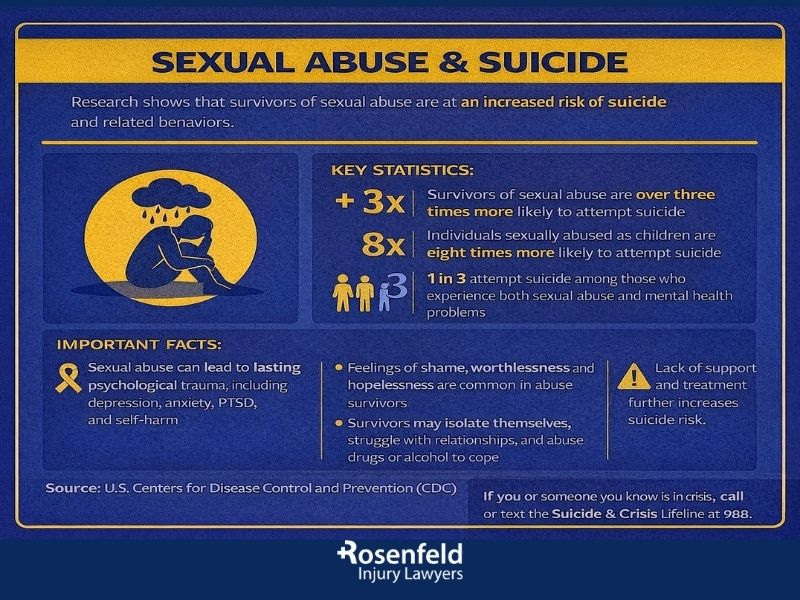
Survivors of sexual trauma are far more likely to experience depression and anxiety later in life. Research has shown that individuals who were sexually abused as children face a greater risk of developing two mental health conditions at once, such as depression combined with post-traumatic stress disorder.
This increased risk is not limited to emotional symptoms. Survivors often report significant changes in eating and sleeping habits, difficulty managing stress, and disruptions in relationships and daily functioning.
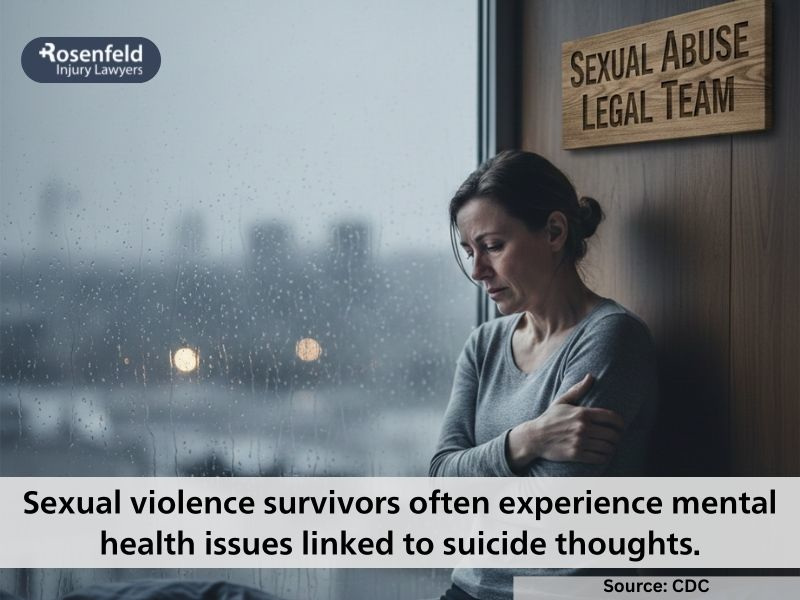
Large population studies and systematic review findings show that child sexual abuse is associated with a measurable increase in suicidal behavior.
Compared to people without abuse histories, survivors report higher rates of suicidal attempts and contemplated suicide. The lifetime prevalence of suicide attempts is substantially higher among survivors of sexual misconduct, especially when the abuse involved various forms of violence or occurred repeatedly.
The different ways abuse affects the brain include changes to stress-response systems, emotional regulation, and threat detection. Trauma, stress, and abuse during childhood alter how the brain processes danger and safety, increasing vulnerability to anxiety, depression, and risk of suicide later in life.
This intermediary role of neurological development helps explain why childhood abuse has such serious impacts across a survivor’s lifespan.
Emotion Dysregulation
Difficulty regulating emotions is one of the most common outcomes we see in survivors of sexual assault. Survivors may experience intense emotions that feel overwhelming or unmanageable, including fear, anger, shame, or emotional numbness.
These symptoms are closely linked to increased suicidal behavior, particularly when survivors lack support or access to mental health care through health and social services systems.
Posttraumatic Stress Disorder (PTSD)
PTSD is one of the most well-documented consequences of child sexual misconduct. Survivors may relive the assault through intrusive memories, nightmares, or flashbacks. They may avoid reminders of the abuse and remain in a constant state of hypervigilance. PTSD is strongly associated with suicide attempts, suicidal ideation, and suicidal behavior, especially when combined with depression.
Much Greater Risk of Depression
Depression is one of the most common diagnoses among survivors of child sexual abuse. There is a strong correlation between abuse and major depressive disorder, with survivors facing a higher risk than the general population. Depression often contributes to hopelessness, withdrawal, and suicidal thoughts, particularly when survivors feel isolated or blamed for what happened to them.
Personality Disorder
Some survivors develop traits associated with a personality disorder, particularly when abuse occurred early or involved betrayal by caregivers or trusted adults. These patterns are adaptive responses to trauma that can increase the risk of suicide without appropriate treatment and support.
Increased Risk of Substance Use Disorder
Alcohol and drug abuse frequently emerge as a coping mechanism for survivors of sexual violence. Substance use may temporarily numb emotional pain, but ultimately increase impulsivity, worsen depression and anxiety, and elevate the risk of suicide.
What Damages Can Childhood Sexual Abuse Victims Recover for Suicidal Behavior?
When sexual misconduct leads to suicide attempts or self-harm behavior, the legal system recognizes that the harm extends far beyond the original assault. At Injury Lawyer Team, we pursue civil accountability through sexual abuse lawsuits that reflect the full scope of harm our clients have endured.
Victims may be able to recover:
Economic Damages
- Mental health treatment and psychiatric care
- Hospitalization following suicide attempts
- Prescription medications
- Lost income and reduced earning capacity
- Long-term therapy and rehabilitation costs
Non-Economic Damages
- Pain and suffering damages
- Emotional distress
- Loss of enjoyment of life
- Psychological trauma and ongoing psychiatric conditions
Punitive Damages
In cases involving institutional failures, cover-ups, or egregious misconduct, punitive damages may be available to punish wrongdoing and deter future abuse.
How We Can Help Victims of Sexual Assault Following Suicide Attempts
We understand that reaching out after an attempted suicide or during suicidal ideation can feel overwhelming. Our role is to carry the legal burden so survivors can focus on healing.
From the first confidential call through case resolution, our services include:
- Listening carefully and explaining legal options in clear, compassionate terms
- Investigating how and where the assault occurred
- Identifying institutions or individuals responsible for child abuse
- Preserving records, reports, and witness testimony
- Working with mental health professionals
- Filing and litigating sexual abuse lawsuits
- Negotiating settlements or preparing cases for trial
You are not alone throughout the process, we stand with survivors and their lived experiences.
Seek Justice for Attempted Suicide Following Sexual Violence
Survivors who experienced adult sexual assault or child sexual abuse deserve accountability and justice. Civil claims are not about blame; they are about acknowledgment, prevention, and support.
We handle these cases on a contingency-fee basis, with no upfront costs. We offer a free, confidential consultation, and you are never required to move forward unless you feel ready. Contact us to speak with our team and learn how we can help.
FAQ
Why is sexual abuse considered a public health issue?
Sexual abuse is a public health issue because it is strongly linked to long-term psychiatric conditions and increased risk of suicide across the overall population. Population health data consistently show higher rates of depression, alcohol and drug abuse, and self-harm behavior among survivors.
What does developmental research show about child sexual abuse and the risk of suicide?
This type of research shows that child sexual abuse disrupts emotional development and stress regulation, increasing the risk of PTSD, depression, and suicidal behavior later in life.
How does a meta-analysis support the link between suicide and sexual abuse?
A meta-analysis combines findings from many individual studies to identify consistent patterns across large populations. Meta-analysis research has repeatedly found a strong correlation between child sexual abuse and increased suicidal ideation and attempted suicide.
What is the mediating role of psychiatric conditions in suicidal behavior?
Psychiatric conditions often play an intermediary role between sexual abuse and suicidal behavior, with trauma increasing the likelihood of depression or PTSD that elevates suicide risk.
Suicidal Ideation Prevention Resources
If you or someone you love is experiencing suicidal thoughts or warning signs, help is available now. The following suicide prevention and population health resources provide immediate support and long-term guidance:
- 988 Suicide & Crisis Lifeline (U.S.) – Call or text 988
https://988lifeline.org - Substance Abuse and Mental Health Services Administration (SAMHSA)
https://www.samhsa.gov - U.S. Department of Health and Human Services – Mental Health Resources
https://www.hhs.gov - Centers for Disease Control and Prevention (CDC) – Suicide Data & Prevention
https://www.cdc.gov/suicide - RAINN (Support for Sexually Assaulted Survivors)
https://www.rainn.org
If you are in immediate danger, call emergency services right now. Suicide prevention saves lives, and reaching out is a powerful act of strength.