

Sexual Abuse and Assault Injury Lawyers


San Mateo County Hillcrest Juvenile Hall Sexual Abuse Lawsuits
Compensation for Victims of Sexual Abuse at San Mateo County Hillcrest Juvenile Hall
Survivors of San Mateo County Hillcrest Juvenile Hall sexual abuse deserve justice, accountability, and the chance to rebuild their lives. At Injury Lawyer Team, we represent individuals who were sexually abused while in juvenile detention facilities, including cases involving probation officers, medical staff, and systemic failures within the California juvenile justice system.
Filing a California juvenile detention sexual assault lawsuit can help victims pursue financial compensation, expose misconduct, and push for reforms that protect vulnerable youth from future harm.
Alleged Abuse at Hillcrest Juvenile Hall
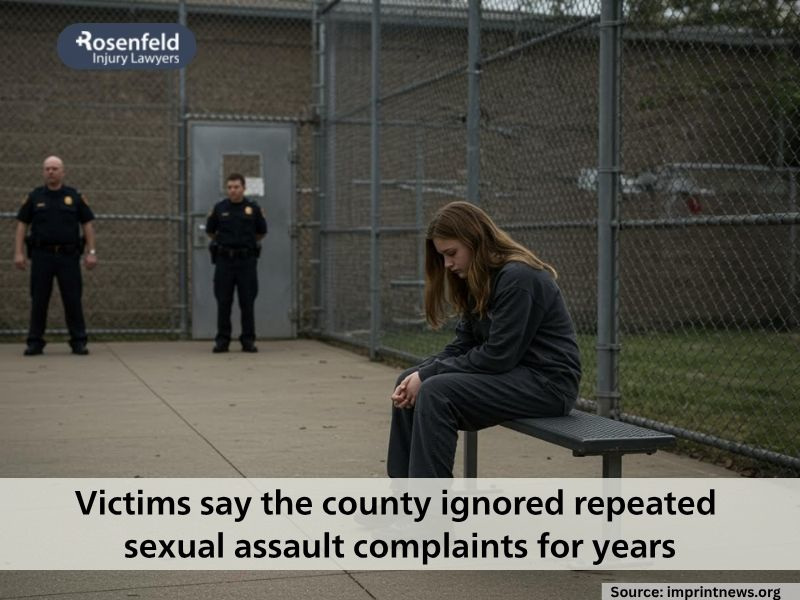
Over the years, Hillcrest Juvenile Hall in San Mateo County has faced disturbing concerns of sexual abuse and misconduct involving both staff and outside professionals.
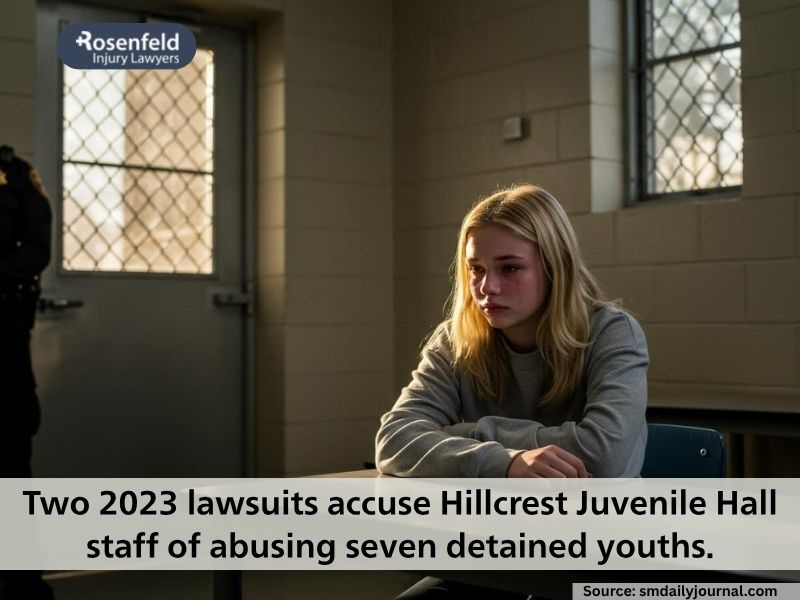
Survivors, now coming forward through lawsuits, claim they were sexually abused, coerced, or neglected while entrusted to the care of the juvenile justice system.
These cases highlight systemic problems across multiple agencies, including the probation department, juvenile court, and county officials, who were responsible for oversight of the facility.
Probation Officers
John Domeniconi
From 1994 to 2002, John Domeniconi, a probation officer at San Mateo County Hillcrest Juvenile Hall, is alleged to have sexually abused teenage boys and young men under his supervision.
Victims allege that abuse occurred during strip searches and showers, and included coercion into oral sex using both threats and rewards. These disturbing patterns of abuse are described across multiple new lawsuits filed in 2023.
Plaintiffs—referred to using “John Doe” pseudonyms—report that any attempts to report the misconduct were ignored, and that no investigations followed complaints filed with the probation department or county officials.
One lawsuit alleged a claim of activity as late as 2018–2020, but the county noted Domeniconi retired in 2016 and later died in 2020—leading plaintiffs to correct the record.
San Mateo County District Attorney’s Office has responded by stating it is investigating the allegations, though it denies prior knowledge of the abuse or any failure to act on the complaints.
Meanwhile, the Juvenile Justice & Delinquency Prevention Commission stated it was not previously aware of the case and has now launched a review of policies and practices at detention centers to help prevent future abuse.
Stuart Forrest
In a separate case, starting in 2012, federal authorities began investigating Stuart Forrest, who was then San Mateo County’s chief probation officer, over allegations of possessing child pornography. The probe led to a state-level criminal case handled by the California Attorney General’s Office due to potential conflict of interest with county authorities.
Forrest was formally charged with two felony counts of possessing sexually explicit photographs of minors. He waived his preliminary hearing and pleaded not guilty at his arraignment on February 22, 2013. A jury convicted him on both counts. The verdict was reached swiftly—jurors deliberated for less than a day.
Disturbingly, the day authorities moved in to arrest Forrest, he threatened to commit suicide—cutting himself in the neck outside a San Mateo church.
On September 20, 2013, Forrest was sentenced to ten months in county jail followed by three years of probation. He was also required to register as a sex offender. This came after he claimed the images were part of trafficking-related work, a defense that authorities rejected, concluding the material was for personal use.
Adolescent Psychiatry Doctor
Dr. William Ayres
Dr. William Ayres, a prominent child psychiatrist and former president of the American Academy of Child and Adolescent Psychiatry, was accused of sexually abusing boys in his care across several decades—from the 1960s through the 1990s, possibly affecting hundreds or even over a thousand boys. He evaluated juveniles referred by schools, probation departments, and courts in San Mateo County.
Ayres was arrested in April 2007, initially facing up to 14 felony counts of lewd and lascivious acts with children under 14. A 2009 trial ended in a mistrial due to a hung jury. Subsequent competency hearings occurred, with experts at Napa State Hospital ultimately deeming him fit to stand trial.
In May 2013, as his second trial began, Ayres entered a no-contest plea to eight counts of lewd and lascivious acts on minors, admitting to fondling five boys (ages 9–13) during “medical” examinations between 1991 and 1996.
In August 2013, the court sentenced him to eight years in state prison, required him to register as a lifelong sex offender, and allowed abused boys to deliver emotional impact statements.
Despite early complaints and even a police investigation into the Ayres case in 1987, he continued practicing for years in San Mateo County. Many victims were never included in the criminal case due to statutes of limitation or lack of access to records.
Dr. Ayres died in prison in April 2016, while serving his sentence.
What Types of Financial Compensation Can Victims of Sexual Abuse Recover?
Survivors of San Mateo County Hillcrest Juvenile Hall sexual abuse may face lifelong trauma, medical needs, and financial strain. A California juvenile detention sexual assault lawsuit can help victims recover damages for these losses.
- Economic damages cover medical care, therapy, and lost wages tied to the abuse.
- Non-economic damages address physical and emotional pain, suffering, severe emotional distress, and loss of quality of life.
- Punitive damages may apply in cases of systemic failures or gross negligence by the probation department and other agencies that ignored complaints.
Many cases resolve through lawsuits or settlements, offering survivors financial relief and accountability for misconduct in the juvenile justice system.
What Laws Govern Sexual Abuse Cases Against the California Juvenile Justice System?
Survivors of Hillcrest Juvenile Hall sexual abuse have legal protections under both state and federal law. These laws establish clear standards for reporting, preventing, and addressing abuse in detention centers, and they create pathways for accountability when institutions fail.
Child Abuse and Neglect Reporting Act (California Penal Code §§ 11164–11174.3)
This law requires mandated reporters, including officers, doctors, and other juvenile hall staff, to report suspected child abuse or sexual assault. Its purpose is to ensure allegations are investigated and that no minor in the juvenile justice system is left unprotected.
Title 15 – California Code of Regulations
Title 15 sets minimum operational standards for juvenile halls, covering safety protocols, staff conduct, facility conditions, and oversight requirements. Failure to comply with these rules can expose systemic weaknesses that enable abuse to occur.
Prison Rape Elimination Act (PREA)
PREA applies to all detention facilities, including juvenile halls. It enforces a zero-tolerance policy for sexual misconduct, requiring staff training, prevention strategies, and ongoing monitoring. Federal funding for juvenile justice programs can be withheld from facilities that fail to comply.
Civil Rights of Institutionalized Persons Act (CRIPA)
CRIPA empowers the U.S. Department of Justice to investigate juvenile halls when allegations of abuse reveal systemic violations of constitutional or civil rights. Remedies may include mandatory reforms, consent decrees, and federal oversight.
How Long Do Sexually Abused Victims Have to Take Legal Action in California?
The timeline for filing sexual assault lawsuits in California depends on the survivor’s age at the time of abuse and when they discovered its impact.
Under AB 452, California abolished the civil statute of limitations for childhood sexual assault claims under Code of Civil Procedure § § 340.1. This means that survivors who were abused as minors can generally file lawsuits at any time, regardless of how long ago the abuse occurred.
However, if the plaintiff is 40 years or older at the time of filing, the law requires additional safeguards. Survivors must submit certificates of merit, signed by both their attorney and a licensed mental health professional, confirming there is a reasonable and meritorious basis for the lawsuit.
Who Can Be Held Liable for Juvenile Detention Sexual Abuse?
A juvenile detention sexual abuse lawsuit can target both individual abusers and the institutions that failed to protect minors.
- Individual Perpetrators – Officers, doctors, or others who committed sexual misconduct.
- San Mateo County & Probation Department – For ignoring complaints from the boys and allowing systemic failures at Hillcrest.
- Supervisors and Agencies – Administrators and various agencies that failed to enforce safety standards.
- Medical Providers – Professionals like Dr. William Ayres, who exploited their authority under the guise of treatment.
By holding both individuals and institutions accountable, survivors can pursue justice and push for reforms in the juvenile justice system.
How Injury Lawyer Team Can Help
At Injury Lawyer Team, we understand the lasting impact of San Mateo County Hillcrest Juvenile Hall sexual abuse and the challenges survivors face when taking legal action. Our attorneys are experienced in handling juvenile hall sexual abuse lawsuits and provide compassionate, trauma-informed representation at every step.
Here’s how we help:
- Investigating systemic failures – We examine records, complaints, and oversight reports to prove institutional negligence.
- Building strong cases – From interviewing witnesses to working with mental health experts, we gather the evidence needed to support survivors’ claims.
- Protecting survivors – We file lawsuits discreetly and advocate for confidentiality whenever possible.
- Pursuing maximum compensation – We fight for damages covering medical care, therapy, lost income, pain and suffering, and punitive awards when warranted.
We represent survivors on a contingency fee basis, meaning you pay nothing unless we win your case. Every consultation is free and confidential. Contact our sexual abuse lawsuit attorney today to discuss your options and take the first step toward justice.
All content undergoes thorough legal review by experienced attorneys, including Jonathan Rosenfeld. With 25 years of experience in personal injury law and over 100 years of combined legal expertise within our team, we ensure that every article is legally accurate, compliant, and reflects current legal standards.