

Sexual Abuse and Assault Injury Lawyers


San Joaquin County Juvenile Hall Sexual Abuse Lawsuits
Compensation for Victims Sexually Abused in Youth Detention Centers Like Peterson Juvenile Hall, Stockton
San Joaquin County Juvenile Hall sexual abuse leads to tragic consequences for survivors. Allegations against this facility include inappropriate relationships between older detainees and young people, staff members ignoring minors being mistreated, and institutional cover-ups.
If you were sexually abused while in custody, you may be entitled to compensation through California juvenile detention facility sexual abuse lawsuits. Contact us today to schedule your free consultation.
Alleged Abuse at San Joaquin County Juvenile Hall
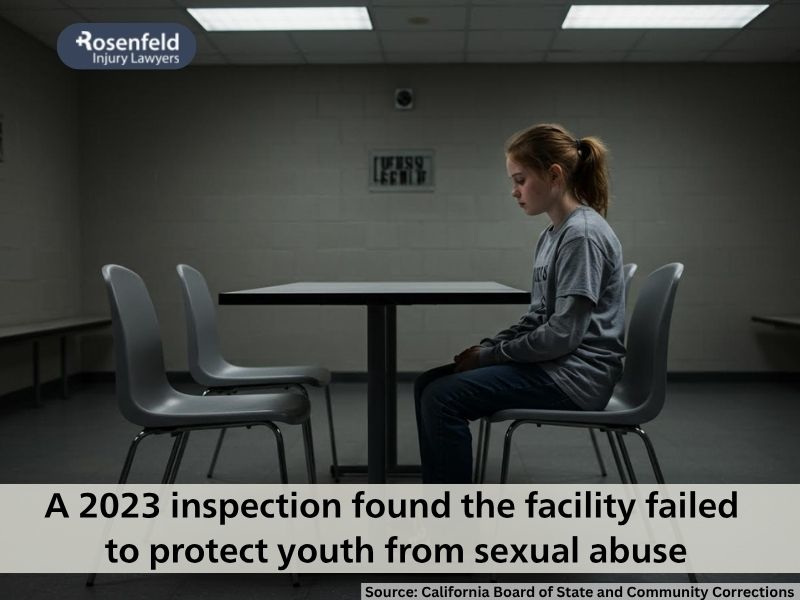
A 2022-2023 grand jury determined that San Joaquin County correctional facilities failed to comply with federal laws requiring accountability and truthful reporting of sexual misconduct committed in detention facilities. The investigation found extremely troubling evidence of institutional cover-ups to shield offenders from legal consequences.
According to the report, a Sheriff’s Deputy correctional officer pleaded guilty to sexually abusing an underage female detainee in 2019. The report found that the institutional handbook had not been updated since that same year, despite changes to federal laws about reporting procedures.
The juvenile hall has never undergone a mandatory audit that may have addressed institutional failures before they resulted in harm. Staff members did not receive their required training, and some were not aware that federal statutes about detainees also apply to children.
According to the investigation, juvenile and older residents were housed together, which could increase the risk of abuse perpetrated by older detainees. Younger residents are meant to be housed separately to protect them from unsupervised contact with unaffiliated residents.
Additionally, this detention center does not provide guidance on how to keep sexual abuse reports confidential, how to offer assistance to survivors, or what outside organizations offer support. The facility also did not train third-party contractors or volunteers.
The facility’s website and other public-facing materials do not reference how to make an anonymous complaint or connect to any additional resources for underage detainees, their families, or their case workers. This creates a lack of transparency, prevents confidential reports, and prevents guardians from advocating for their loved ones.
Unfortunately, the juvenile detention facility is not the only place where detainees have been sexually abused. Zachary Simmons, a San Joaquin County correctional officer, was convicted of abusing multiple women held at the county jail in 2021.
Investigators found at least three incidents of sexual abuse occurring at the county jail dating back to 2015, and he may have been involved in multiple other assaults that have not yet come to light.
What Laws Govern Sexual Abuse Cases Related to California’s Juvenile Detention Centers?
According to California statutes, sexual abuse is the touching of an intimate body part of another individual without their consent (PEN § 243.4). California’s penal code considers a variety of forms of sexual abuse, which include fondling, oral copulation, sodomy, and sexual penetration with a body part or foreign object.
Sexual activity with a child more than 3 years older or younger than the perpetrator is considered statutory rape (PEN § 261.5). Additionally, sexual intercourse with a detainee and a detention center staff member is always considered sexual abuse, as the detainee involved may be afraid of consequences if they refuse the sexual advances (PEN § 289.6(a)(2)).
Juvenile facilities must abide by Title 15 of the California Code of Regulations, which requires policies and training on the identification, reporting, and prevention of sexual abuse (§ 1029). If any individual is sexually abused, the facility must immediately report to protective services and conduct a full investigation (§ 1044).
California statutes also identify juvenile detention staff as mandated reporters, required to respond to any claims of sexual abuse and report them to the correct authorities (§§ 11164–11174.3). Failure to do so could be considered a criminal offense.
On the federal level, the Prison Rape Elimination Act establishes a zero-tolerance policy for abuse committed within detention facilities (PREA).
Facilities that receive federal funding must implement prevention policies, report any instances of abuse, and correct institutional failures that may put detainees in danger. If they fail to do so, they may face revocation of funds or licensing, leading to closures.
The Civil Rights of Institutionalized Persons Act gives the Department of Justice the authority to investigate abuse claims in state and local institutions, including mandating remedies for institutional failures.
What Types of Financial Compensation Can Survivors Recover in Lawsuits Against California Juvenile Facilities?
Damages that survivors can recover in juvenile detention facility sexual abuse lawsuits may include:
- Medical bills
- Loss of future wages
- Therapy and behavioral health services
- Physical pain and suffering
- Emotional distress
- Disability or disfigurement
- Loss of normalcy
How Much Can Sexual Abuse Survivors Recover in a Civil Lawsuit?
The average abuse settlement in California is $1,955,500, with a range between $250,000 and $3,600,000. What you receive is determined by how old the survivor was when the abuse occurred; the severity, frequency, and duration of the abuse; evidence and liability; and available insurance.
How Long Do Victims Have to File a Lawsuit Under the CA Child Victims Act?
California has some of the strongest support for survivors in the country, helping them move forward with their lives even if the sexual abuse occurred decades prior.
To protect the most vulnerable members of society, the state passed the Child Victims Act, which eliminates the statute of limitations for child sexual abuse (AB 452).
However, California sexual abuse lawsuits for adult victims above the age of 40 must be certified by a sexual abuse lawyer and a mental health professional who can attest to their merit (§ 340.1). For example, if the individual was in a residential facility and was unable to make a complaint earlier due to these circumstances, such extenuating circumstances could be considered meritorious.
You may have extended time to file claims if you did not immediately connect your injuries to sexual abuse. In the California Supreme Court case Quarry v. Doe I, plaintiffs were able to file suit for sexual abuse occurring several decades prior.
The attorneys for the plaintiffs argued that the psychological impact of the abuse did not emerge until they were adults, and that it was only through therapy that they recognized the connection between their symptoms and the prior abuse.
The law usually requires actions against government entities to be filed within a six-month period. However, this does not apply to sexual abuse claims. Survivors can take legal action against the county and its employees at any time, provided that it is within the applicable statute of limitations (§ 905(m)).
Who Can Be Held Liable for Institutional Abuse in a Juvenile Detention Facility?
Our firm will fight to ensure that everyone involved in this harm is held liable. Potentially liable parties can include the following.
- Individual Perpetrators: The individual who abused you is typically considered the first defendant. However, if they are deceased, you may still be able to file a claim against other parties.
- Other Staff: Most individuals employed at a detention center are considered mandated reporters, meaning they are required to report any type of abuse. If they don’t do so, they are considered vicariously liable for any injuries arising from abuse.
- Supervisors and Managers: These defendants are held liable for negligent hiring, training, or supervising, such as by allowing a known sexual offender access to vulnerable youth.
- Facilities and Administrators: The facility itself can be held liable for failing to adhere to local, state, and federal regulations regarding the prevention and reporting of abuse.
- County Governments: The county itself may also be liable for inadequate oversight of the facilities it manages, including failing to investigate complaints.
Our attorneys will thoroughly investigate your suit to identify all liable parties and ensure that they are held accountable in court. We will also communicate with these third parties to ensure your privacy and allow you to focus on healing.
How Injury Lawyer Team Can Help
These cases can be challenging due to the severe emotional trauma that survivors experience when seeking compensation. Many fear facing the perpetrator in court or may have lapses in memory that opposing counsel can use to attack their credibility.
Additionally, if the abuse occurred years prior, key evidence like employment records, incident reports, medical records, and witness testimony may be more difficult to secure. Eyewitnesses may not remember important details, and records may have been lost due to incomplete recordkeeping or even institutional coverups.
Our trauma-informed attorneys understand the challenges and are ready to fight for your rights. We will thoroughly investigate, subpoenaing records and locating witnesses. We will work with mental health professionals to verify your story and provide essential context for jurors and other third parties.
We are members of the Million Dollar Advocates Forum due to our exceptionally high settlements, which often exceed national averages.
For example, we secured $1,160,000 for a young woman who was brutally attacked by a guard while at a detention center. She suffered from nightmares, gynecological issues, and pelvic pain that made it difficult to live a normal life. We proved that others in the facility knew what was happening but refused to intervene, even covering for the guard and dismissing Juanita’s complaints.
Our team will connect you to resources that offer support and work to mitigate the tremendous toll that a lawsuit can take on a survivor, ensuring that you are able to share your story with confidence. Through our aggressive advocacy and top-notch representation, we give you the best possible chance of securing fair compensation for these institutional failures.
FAQs
What evidence is needed to support a sex abuse lawsuit?
To support a sex abuse lawsuit, you must demonstrate negligence on the behalf of one or more parties. This means that the individual or entity owed you a duty of care, such as safeguarding you from other inmates or acting quickly if they learned that another person committed a crime. By failing to do so, they breached this duty of care and caused your injuries.
You must also demonstrate that you suffered losses as a result of this breach of duty, such as mental distress or medical costs.
How long do sex abuse cases against juvenile detention centers take to resolve?
In general, these cases can be resolved within 6 to 18 months, but this is only a general estimate. Actual timelines vary depending on several factors.
Firstly, some investigations take longer, especially if the incidents happened years ago and records are missing. Gathering firm evidence is essential to making a strong case, and it also gives us a stronger bargaining position. Cases that involve circumstantial evidence or conflicting testimony will take longer to resolve.
Most cases settle out of court because trials are time-consuming and costly. The negotiation timeline depends on how strong the evidence is. However, if it’s necessary to file a suit and go to trial, this will significantly add to the timeline.
Our lawyers will keep you updated on all case developments and provide estimated timelines based on our 100 years of combined legal experience.
Do victims need to testify in court?
California prevents survivors from being held in contempt if they refuse to testify (CCP § 1219). Instead, a counselor may work with the individual and encourage them to share their story. However, if you receive a subpoena to testify, you must go to the hearing or potentially face consequences.
The court may allow remote proceedings in some circumstances, such as if the witness fears personal or professional consequences for speaking out (Rule 3.672). It’s also possible to file anonymously and have your identity obscured, such as by filing a lawsuit under the name Jane Doe.
However, witness testimony is often a key factor in receiving a positive verdict. We will work with you to reduce your fear of testifying, such as by limiting the time that you have to spend with the accused. Our goal is to help you share your story and empower you to move ahead with confidence.
What if the abuser was never criminally convicted?
Yes, you may be able to file claims even if the abuser was never convicted. Civil lawsuits and criminal proceedings are separate legal processes. While police reports, court proceedings, and criminal convictions can help support your civil case, they are not necessary to secure compensation.
Book a Free Confidential Consultation
A sexual abuse lawsuit can be incredibly daunting for survivors, but you’re not alone. Our compassionate, committed attorneys can help you move forward while demanding accountability from the California justice system. We are a Super Lawyers®-rated firm and a member of the American Association for Justice, highlighting our firm’s commitment to exceptional legal advocacy.
We work on a contingency fee basis, meaning you owe us nothing unless we win. Contact us today for a free consultation about taking legal action.
All content undergoes thorough legal review by experienced attorneys, including Jonathan Rosenfeld. With 25 years of experience in personal injury law and over 100 years of combined legal expertise within our team, we ensure that every article is legally accurate, compliant, and reflects current legal standards.