



Rideshare Sexual Abuse Survivors’ Legal Rights


At Injury Lawyer Team, we stand with individuals seeking clarity, protection, and justice after experiencing rideshare sexual abuse or sexual assault during a ride. We are here to explain rideshare sexual abuse survivors’ legal rights, outline the options available through rideshare sexual assault lawsuits, and show how our team can support you with compassion, discretion, and strength every step of the way.
How Common Are Sexual Assault Incidents When Using Rideshare Services?
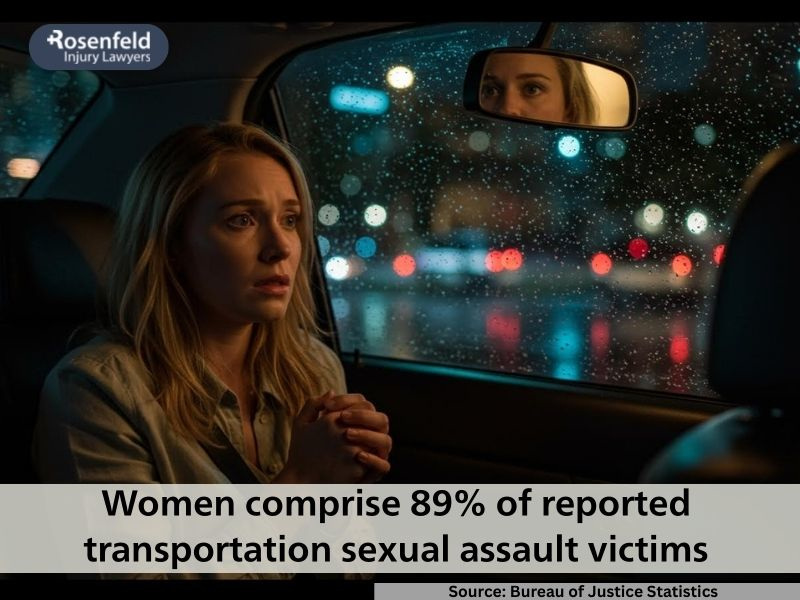
When reviewing rideshare safety statistics, several reputable and recent sources show that while rideshare trips involving companies like Uber or Lyft often proceed without incident, the occurrence of sexual assault incidents in rideshare settings is significant and under-reported.
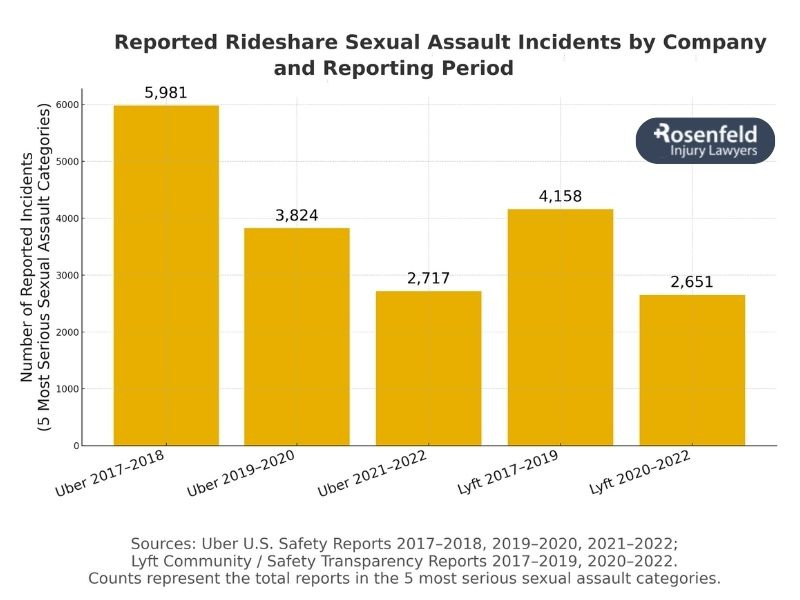
- A February 2024 report by the Government Accountability Office (GAO) found that three major ridesourcing companies reported about 4,600 incidents of the five most serious types of sexual assault for app-based trips in 2019. The report noted that data collection is inconsistent, varying definitions are used, and many incidents likely go unreported.
- According to an August 2025 report by one of the major rideshare platforms, Uber, reports of serious sexual assault on its platform in the U.S. fell by 44% from 2017-2022, and they also note the low incidence relative to total trips (0.006% of trips).
- Lyft’s 2024 Safety Transparency Report notes an incidence of 2651 cases of sexual assault during the 2020-2022 period, or 1 in 540,000 completed trips.
These numbers reflect that rideshare sexual assault cases do occur across major platforms, and the large ranges and reporting gaps underscore how difficult it is to measure the full scope.
For survivors, these data underline the importance of knowing your legal rights, documenting what happened, and seeking experienced counsel, because while the overall rate may appear low in percentage terms, the absolute number of affected individuals is meaningful, and each case matters deeply.
What Laws Govern Rideshare Sexual Assault Cases?
Several federal laws shape how rideshare sexual assault cases are viewed, investigated, and addressed, helping define survivors’ legal rights and protections under the broader U.S. legal system.
Violence Against Women Act (VAWA)
The Violence Against Women Act (VAWA) was first passed in 1994 and later reauthorized to strengthen protections for survivors of sexual abuse, dating violence, domestic violence, and stalking. It establishes federal recognition that sexual violence is a serious crime and supports programs for victim advocacy, counseling, crisis response, and law enforcement training.
While VAWA primarily focuses on prevention, survivor services, and criminal-justice resources, it plays an important role in shaping how institutions, including transportation and service industries, are expected to prevent and respond to sexual violence.
In the context of rideshare sexual assault, VAWA reinforces the duty of society and organizations to address survivor safety, even though it does not directly create a private civil claim against rideshare companies.
Civil Rights Act
The Civil Rights Act of 1964, particularly Title VII, prohibits discrimination based on sex in employment and workplace settings.
Although most rideshare sexual misconduct incidents happen outside traditional employment relationships (between drivers and passengers rather than employers and employees), the Civil Rights Act can still become relevant in certain circumstances, for example, if discriminatory or unsafe company practices contribute to an environment where sexual violence is more likely to occur.
However, in most rideshare sexual assault cases, survivors rely more heavily on state civil liability laws, negligence claims, and company responsibility theories rather than solely on federal civil rights protections.
Crime Victims’ Rights Act (CVRA)
The Crime Victims’ Rights Act (CVRA) provides important procedural rights to victims involved in federal criminal cases. These rights include the ability to be treated with fairness and respect, to receive notice of court proceedings, to be heard in certain hearings, and to seek protection from the accused.
While the CVRA does not itself create a civil lawsuit against a rideshare company, it can become relevant when a rideshare sexual assault leads to federal charges against a driver. In those cases, the survivor is legally entitled to participate in the criminal process and be informed about the status of the prosecution.
Legal Grounds for Civil Lawsuits
When we represent survivors of rideshare sexual assault, we evaluate whether a civil lawsuit can be brought against the rideshare company based on its failures to protect passengers. Common legal grounds include:
- Negligent hiring or retention of a driver with a dangerous history: Allowing a driver with prior sexual misconduct, sexual assault reports, or violent behavior to continue driving
- Failure to warn riders of known risks: When the rideshare company failed to alert passengers of known dangers
- Inadequate safety features or reporting systems: Weak background checks, poor safety tools, or ineffective reporting mechanisms
- Poor response to complaints or abuse reports: Ignoring or mishandling earlier complaints that could have prevented harm
We stand with survivors as we gather evidence, protect your legal rights, and use these failures as the basis for legal action to help you seek justice.
What Types of Financial Compensation Can Victims Recover in Rideshare Sexual Assault Lawsuits?
When someone experiences sexual assault or sexual abuse during a ride, the harm often extends far beyond the moment of the attack. Survivors of rideshare sexual assault may be entitled to several types of compensation, depending on how the assault has affected them physically, emotionally, and financially:
- Economic damages: Medical bills, therapy and counseling expenses, prescriptions, transportation for treatment, lost income, reduced earning capacity, and other documented out-of-pocket costs related to the assault.
- Non-economic damages: Pain and suffering, emotional distress, trauma, anxiety, depression, loss of enjoyment of life, and the long-term psychological impact of sexual violence and sexual abuse.
- Punitive damages: In cases involving especially reckless, malicious, or intentional misconduct, courts may award punitive damages to hold the wrongdoer accountable and deter similar behavior in the future.
At our law firm, we stand with survivors to identify every category of loss and to pursue full and fair compensation as part of the legal process.
How Long Do Survivors Have to Start the Legal Process?
Survivors of Uber sexual assault or other rideshare sexual abuse cases are often uncertain about how long they have to take legal action.
Most cases are controlled by the civil statute of limitations on sexual assault, which sets a legal deadline for when a survivor can file a civil claim. That deadline can vary based on where the assault occurred, the survivor’s age at the time of the incident, and whether special lookback or extension laws apply.
In some states, survivors may have only a few years to file a claim, while other states have expanded timeframes or removed deadlines altogether for certain types of sexual violence. Because rideshare cases can involve delayed reporting, complex facts, multiple jurisdictions, and corporate defendants, determining the correct filing window is not always straightforward.
This is where working with an experienced attorney is critical. When you contact us, we quickly assess which laws apply and how to preserve your legal options.
How to Strengthen Your Rideshare Sexual Abuse Case
If you experienced sexual abuse, physical assault, or inappropriate conduct during a rideshare trip, these steps can strengthen your case and protect your ability to seek compensation:
- Prioritize your safety and health — Seek medical care immediately. Medical records document what you endured and support Uber sexual assault cases and other rideshare claims.
- Report the incident — Contact law enforcement and file a report with the rideshare company to begin an official record.
- Preserve all evidence — Save trip details, screenshots, driver information, pickup/drop-off locations, timestamps, messages, photos, and clothing from the incident.
- Gather witness statements — Collect names and contact details of anyone who may have seen or heard what happened.
- Document the impact — Keep records of therapy, medical visits, emotional distress, and lost wages caused by the incident.
- Speak to a rideshare sexual abuse lawyer before insurers — Do not communicate with company representatives alone. We provide strong legal representation and pursue maximum compensation on your behalf.
How Our Legal Team of Rideshare Sexual Assault Attorneys Can Help
At our firm, we understand that surviving experienced sexual abuse is deeply traumatic. We take a trauma-informed approach to every case and build a legal strategy centered on your safety, dignity, and recovery.
Our team of dedicated professionals provides:
- Compassionate, confidential consultations to listen to your story without judgment
- Immediate legal guidance on your rights and legal options
- Thorough investigation of the incident, including background checks, rideshare records, safety policies, and prior complaints
- Collection of key evidence such as medical records, expert opinions, and witness statements
- Direct communication with rideshare companies and their insurers so you do not have to handle these conversations alone
- Filing and managing your civil claim from start to finish
As an experienced attorney team, we know how to hold rideshare platforms accountable when they fail in their duty to protect passenger safety. Our focus is always on achieving effective legal representation and helping survivors seek compensation for the injuries and harm they suffered.
Book a Confidential Consultation With Our Law Firm
If you or a loved one has been harmed and are considering sexual assault lawsuits, we encourage you to contact us for a free consultation. Speaking with a rideshare sexual assault lawyer can be the first step toward reclaiming control and beginning the healing process.
We handle these cases on a contingency fee basis, meaning you pay no upfront legal fees unless we recover compensation for you. We only get paid if we successfully recover compensation for you. This allows you to pursue justice without additional financial stress.
Our firm is here to stand with you. If you’re ready to discuss your experience, explore your rights, and understand your legal options, contact us today for a confidential case review. We believe in your case, and we will be honored to support you every step of the way.
All content undergoes thorough legal review by experienced attorneys, including Jonathan Rosenfeld. With 25 years of experience in personal injury law and over 100 years of combined legal expertise within our team, we ensure that every article is legally accurate, compliant, and reflects current legal standards.