

Sexual Abuse and Assault Injury Lawyers


Psychiatric Hospital Sexual Abuse Lawyer
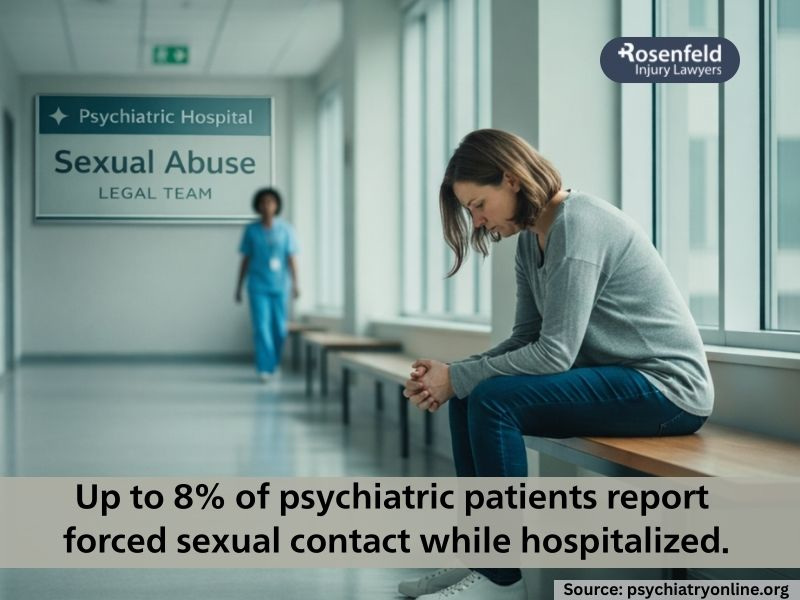
Sexual abuse survivors within psychiatric hospitals face unique challenges that require highly specialized legal expertise. The emotional and psychological toll that this type of abuse takes on a person can be profound and long-lasting, requiring compassionate yet aggressive legal help. An experienced psychiatric hospital sexual abuse lawyer can help you get the compensation you deserve.
At Injury Lawyer Team, we understand the complexities of these cases and are committed to advocating for survivors’ rights. Our team has extensive experience in tackling these issues, ensuring that justice is served, and holding abusers and negligent institutions accountable. We provide specialized legal services for sexual abuse victims in psychiatric facilities, offering tailored support for victims.
Introduction to Psychiatric Facility Sexual Abuse
Sexual abuse in psychiatric facilities is a deeply troubling issue that affects some of the most vulnerable individuals in our society. Patients in psychiatric hospitals and treatment facilities often struggle with mental illnesses, substance abuse, or other mental health disorders, making them particularly susceptible to exploitation and harm.
The closed nature of these environments, combined with the power imbalance between staff and patients, can create conditions where violence and abuse occur. Individuals with mental health disorders receive medication while in the facility, which can make it impossible for them to provide consent.
Unfortunately, sexual abuse is often underreported due to fear, stigma, and the unique challenges faced by patients. Survivors may worry that their accounts will not be believed or that coming forward could jeopardize their treatment.
This makes it all the more important for victims and their families to understand their rights and seek counsel from experienced lawyers who can provide comprehensive legal support and help them navigate the complex procedures involved in these claims.
At Injury Lawyer Team, we are dedicated to helping victims of sexual abuse in psychiatric hospitals obtain justice, hold perpetrators and negligent institutions accountable, and successfully secure compensation for the harm they have suffered.
What is Sexual Abuse in Psychiatric Hospitals?
Sexual abuse in psychiatric hospitals refers to any unwanted sexual action, assault, or sexual misconduct that occurs within the context of care. This can include a wide range of behaviors, from inappropriate touching and sexual harassment to forced sexual acts and rape. Such abuse may be perpetrated by staff members, other patients, or even external contractors and visitors who have access to the facility.
What makes sexual abuse in psychiatric settings particularly egregious is the violation of trust and the exploitation of individuals who are often unable to protect themselves due to their health conditions.
Many victims who have suffered sexual abuse experience profound psychological trauma, including post-traumatic stress disorder, anxiety, depression, and exacerbation of existing issues. The impact of such abuse can be long-lasting, affecting every aspect of a survivor’s life.
Recognizing and addressing sexual abuse is critical to ensuring patient safety, upholding the integrity of the health care system, and providing survivors with the resources they need to heal and seek justice.
Types of Sexual Crimes in Psychiatric Facilities
Sexual abuse in psychiatric facilities can take many forms, ranging from overt acts of sexual violence to more subtle forms of sexual misconduct. Some of the most common types of sexual crimes that may occur in these settings include:
- Unwanted Sexual Touching: Any non-consensual physical contact of a sexual nature, such as groping, fondling, or inappropriate touching of intimate body parts.
- Assault and Rape: Forced acts, including penetration or attempted penetration, carried out against a patient’s will.
- Sexual Harassment: Verbal or non-verbal conduct of a sexual nature, such as making sexual comments, gestures, or advances toward a patient.
- Coercion or Manipulation: Using threats, intimidation, or the promise of better treatment to pressure a patient into sexual activity.
- Exposure to Sexual Content: Forcing patients to view pornography or engage in sexually explicit conversations.
- Inappropriate Relationships: Staff members engaging in sexual relationships with patients, which is always considered unethical and abusive due to the inherent power imbalance.
Each of these acts constitutes a serious violation of patient rights and can inflict profound psychological and physical harm. If you or a loved one has experienced any form of sex abuse in a psychiatric facility, it is important to seek immediate and thorough attention from experienced lawyers who can help you.
What Leads to Sexual Abuse in Psychiatric Treatment Facilities?
Psychiatric hospital patients often find themselves in uniquely vulnerable positions due to a combination of factors.
The Power Imbalance and Dependence on Caregivers
The power dynamics within facilities are heavily skewed toward caregivers and staff. Patients depend on these professionals for essential care and support, creating an environment where any abuse of this power can have devastating consequences.
The trust placed in caregivers, combined with patients’ reliance on psychiatric treatment and support, magnifies their susceptibility to sexual abuse.
The Prevalence of Sexual Abuse in Psychiatric Settings
Rates of the victims of sexual abuse in the mental health industry are significantly higher than in many other healthcare settings. Sex abuse, including forced acts and unwanted sexual activity, often goes underreported due to the psychiatric conditions of the victims and the fear of not being believed.
Mental hospitals have a particularly high prevalence of sexual violence, with studies showing alarming rates of abuse and institutional shortcomings in addressing these crimes. The rate of sexual crimes perpetrated by psychiatrists is estimated to be 37 times greater than the rate of rape and other forms of sex crimes in the general community.
A survey found that 5% to 45% of psychiatric inpatients have experienced sexual violence in mental hospitals, while 40% of community outpatients report sexual assault in adulthood. Sex crimes are often exacerbated by the institutions’ focus on minimizing restraints and preventing suicides.
This underreporting exacerbates the suffering of survivors and allows perpetrators to remain unpunished, perpetuating a cycle of abuse. The emotional trauma inflicted by such abuse is profound, further complicating the already challenging recovery journey for patients with other mental illness challenges.
What Duties Do Psychiatric Hospitals Have to Protect Their Patients from Sexual Abuse?
Treatment facilities have a legal and ethical duty to protect their patients from harm. This responsibility includes implementing robust security measures, conducting thorough background checks on all staff and contractors, and providing ongoing training to ensure that employees understand the importance of maintaining professional boundaries and recognizing signs of abuse.
Facilities must also establish clear policies and procedures for reporting and responding to allegations. This includes creating an empathetic and supportive environment where patients feel comfortable coming forward. Facilities must ensure that all reports are taken seriously and conduct prompt, impartial investigations when abuse is suspected.
In addition, hospitals must provide adequate supervision of both staff and patients, especially in areas where vulnerable individuals may be at greater risk. Failure to fulfill these duties can result in legal liability for the facility and its administrators, as well as severe consequences for patient safety and well-being.
How Can Psychiatric Treatment Facilities Prevent Sexual Abuse?
Preventing abuse in psychiatric treatment facilities requires a proactive, multi-faceted approach that prioritizes patient safety at every level. Some of the most effective prevention strategies include:
- Rigorous Hiring Practices: Conducting comprehensive background checks and screening for any history of sexual misconduct or criminal behavior before hiring staff, contractors, or volunteers.
- Ongoing Staff Training: Providing regular training on recognizing, preventing, and responding to abuse, as well as fostering a culture of respect and accountability within the facility.
- Clear Reporting Procedures: Establishing accessible, confidential channels for patients and staff to report suspected abuse without fear of retaliation.
- Enhanced Supervision and Monitoring: Implementing adequate supervision of staff and patients, utilizing security cameras in common areas, and ensuring that no patient is left alone with a staff member in private settings without proper oversight.
- Patient Education: Informing patients of their rights, what constitutes inappropriate behavior, and how to report concerns or incidents of abuse.
- Prompt Response to Allegations: Taking all reports of abuse seriously, conducting immediate investigations, and taking swift action to protect victims and remove perpetrators from contact with patients.
By adopting these measures, treatment centers can significantly reduce the risk of harm, create a safer environment for individuals with mental health disorders, and demonstrate their commitment to the well-being of those in their care. If you believe a facility failed to take these steps and abuse occurred, experienced lawyers can help you hold the responsible parties accountable and seek compensation for the harm suffered.
What Are Common Challenges in Psychiatric Facility Sexual Abuse Claims?
Addressing abuse within a psychiatric facility presents a unique set of challenges that complicate the pursuit of justice for victims.
Victim Credibility and Mental Health Stigma
Victims of sexual assault and abuse often face significant hurdles in having their allegations believed. The stigma surrounding mental illnesses frequently undermines the credibility of patients, making it challenging for them to be taken seriously.
Society’s misunderstanding of severe mental illnesses and the impact of psychiatric treatment can lead to unjust skepticism about the victims’ claims of being sexually assaulted. It is also important for attorneys to understand how to protect clients’ privacy, including by using pseudonyms such as Jane Doe.
Power Dynamics and Fear of Retaliation
The inherent power imbalance between psychiatric patients and staff contributes significantly to the challenges of reporting these crimes. Patients, dependent on caregivers for essential treatment, may fear retaliation if they come forward with their experiences of abuse.
Lack of Witnesses or Physical Evidence
The absence of witnesses or physical evidence often complicates cases in psychiatric hospitals. The private nature of the abuse, combined with the psychiatric conditions of the victims, can make it difficult to gather direct evidence.
However, experienced sexual abuse lawyers can build strong cases using alternative forms of proof such as expert testimony, psychological evaluations, and detailed medical records.
Reviewing medical and facility records is also crucial to thoroughly examining the circumstances and patterns of abuse within healthcare settings. These legal strategies help substantiate the victims’ claims and highlight the patterns of abuse that may have occurred within the psychiatric treatment facilities.
Who Can Be Held Liable in Psychiatric Hospital Sex Abuse Claims?
Several parties may be held accountable. Healthcare facilities have a responsibility to ensure patient safety and can be held liable for sexual assault allegations. Identifying these liable parties is essential in seeking compensation for the survivors. Below are some common parties who could be responsible for non-consensual acts.
Psychiatric Facilities
Hospitals, residential treatment centers, residential treatment facilities, and juvenile detention centers can be held responsible for incidents that occur within their facilities. These institutions are expected to provide a safe environment and adequate supervision to prevent sexual assaults and abuse.
Inadequate supervision is a significant factor contributing to liability in these settings, as it can enable misconduct and put patients at risk.
It is important to look for attorneys with experience investigating hospital failures, including negligent hiring and inadequate supervision.
Mental Health Providers
Therapists, counselors, psychiatrists, nurses, and other professionals can be liable if they engage in sexual activity with patients, commit sexual crimes, or fail to report sexual abuse. These professionals have a duty to maintain boundaries and protect the vulnerable individuals in their care.
Staff and Employees
Staff members at psychiatric treatment centers and other facilities may be found liable if they were directly involved in sexually abusing patients or if their negligent hiring practices allowed abusers to work at the facility. Ensuring thorough background checks and proper training is essential to preventing abuse.
Administrative and Supervisory Personnel
Administrative personnel who fail to implement adequate safety measures, conduct proper oversight, or address reports can be held accountable. Their inaction or negligence can contribute to an environment where sex crimes occur.
External Contractors and Volunteers
Contractors, volunteers, and other non-staff individuals who have access to patients can also be held liable for their actions. Facilities must monitor and regulate patient interactions with these external parties.
Institutions and Organizations
Organizations that operate facilities may face a civil lawsuit for systemic failures that lead to sexual assaults. This includes failing to enforce policies, ignoring signs of abuse, and failing to provide adequate staff training.
By understanding the parties that may be held liable, child and adult survivors can more effectively file lawsuits to seek compensation and ensure those responsible are held accountable.
What Laws Govern Psychiatric Sexual Abuse Lawsuits?
Sexual abuse in psychiatric hospitals, treatment centers, and residential facilities is governed primarily by state law. These cases are shaped by statutes governing consent, professional conduct, civil liability, and statutes of limitations, as well as state licensing and patient rights laws.
Consent Laws
A central issue in psychiatric facility abuse cases is legal consent. Many states explicitly state that a patient receiving treatment cannot legally consent to sexual contact with a provider, employee, or facility agent due to the inherent power imbalance and the patient’s vulnerable status.
Examples include:
- California: California law defines sexual contact between a professional and a patient as sexual exploitation and treats consent as legally invalid during treatment.
- Illinois: Illinois criminal law provides that consent is not a defense where a victim is unable to consent due to mental illness or impairment.
- New York: New York Penal Law recognizes incapacity to consent where a person is mentally disabled or mentally incapacitated, including circumstances common in inpatient psychiatric treatment. See NY Penal Law § 130.05 at
Practical impact: even if a facility employee claims the interaction was “consensual,” state law often treats that consent as legally impossible when treatment, supervision, or custodial control exists.
What is the Statute of Limitations for Psychiatric Sex Abuse Claims?
Civil lawsuits are governed by state statutes of limitations, which often include special provisions for victims of sexual abuse or abuse of vulnerable adults. Many states apply delayed discovery rules or extended filing deadlines.
Examples include:
- Illinois (civil limitations): 735 ILCS 5/13-202.2 allows extended timeframes for childhood victims of sexual abuse and has been applied in cases involving institutional misconduct.
- New York (Adult Survivors Act and general civil provisions): New York CPLR § 214-c and § 214-g address discovery and revival rules for claims.
Key consideration: In psychiatric abuse cases, courts often recognize that trauma, medication effects, or ongoing treatment can delay a survivor’s ability to recognize or report abuse, which can affect when the statute of limitations begins to run.
What are Patient Rights Laws and Facility Duties Under State Statutes?
Most states have statutory “patient bill of rights” provisions that apply specifically to mental health facilities. These laws impose affirmative duties on facilities to protect patients from abuse and exploitation.
Examples include:
- Florida Mental Health Act (Baker Act): Florida Statutes § 394.459 sets forth patient rights and protections in facilities.
Violations of these statutory duties can support negligence claims against the facility itself, even when an individual employee commits abuse.
Institutional Liability Under State Law
State licensing laws often require psychiatric facilities to:
- Conduct background checks
- Train staff on abuse prevention
- Report suspected abuse to state agencies
- Cooperate with investigations
Failure to comply with these duties can expose facilities to civil liability and regulatory penalties. State health departments and authorities typically enforce these requirements through statutes and administrative codes.
State laws govern sex abuse lawsuits, so your case will depend on where the abuse occurred. Thankfully, our experienced lawyers are well-versed in lawsuits nationwide. We can help you determine which laws apply to your case.
When to Seek Legal Help
Understanding when to consult a lawyer is crucial for any victim or their loved ones. Knowing the right steps to take can greatly impact the outcome of the case and ensure that justice is served when those in power sexually abuse patients.
Any Instance of Sexual Misconduct or Assault
Any unwanted sexual touching or contact, harassment, or assault while receiving treatment at a psychiatric hospital should be reported and may warrant a lawsuit. It’s crucial to recognize that even subtle or seemingly isolated incidents of sexual misconduct can constitute serious violations of a patient’s rights.
Suspicion of Abuse or Inappropriate Behavior
If there is any suspicion of abuse or inappropriate behavior by staff or other patients, it’s essential to seek legal advice immediately. This includes any actions that seem out of place or suggest a potential threat to the patient’s safety.
Suspicion alone, even without explicit disclosure of abuse, is a strong basis for consulting a lawyer and potentially involving local law enforcement to ensure the safety and rights of patients.
Concerns About the Hospital’s Response
Mental health treatment facilities have a legal and moral obligation to protect patients from harm and foster a safe treatment environment. When these institutions fail to take appropriate action after abuse occurs, it not only endangers the victims but also allows the perpetrator to continue inflicting harm.
Legal intervention can compel facilities to comply with state and federal laws, conduct proper investigations, and implement measures to prevent further abuse.
Choosing the Right Lawyer for Your Psychiatric Hospital Sexual Abuse Lawsuit
Selecting the appropriate legal team is crucial. Given the complexity and sensitivity of such cases, a lawyer’s expertise, empathy, and advocacy skills can significantly impact your ability to seek compensation and the outcome.
Experience with Sexual Assault and Medical Malpractice
When you’re facing the aftermath of horrific abuse, it’s essential to have an attorney who is well-versed in both sexual assault law and medical malpractice.
Your lawyer must understand consent laws and grasp the subtle nuances of patient care standards. Patients should also work with an attorney with experience handling civil charges in these cases.
Compassion and Trauma-Informed Approach
The right lawyer for a psychiatric hospital sexual abuse case is someone with legal expertise who approaches the situation with sensitivity. A trauma-informed attorney understands how distressing it can be for victims to relive these experiences.
They should do everything possible to create an environment where the victim feels heard, validated, and safe during what is likely one of the most vulnerable periods in their life. A lawyer experienced in sexual abuse trauma cases ensures that emotional considerations are prioritized alongside strong legal aid.
Strong Advocacy and Litigation Skills
Skilled advocacy and litigation are essential qualities in a lawyer handling abuse cases in psychiatric treatment centers. The right lawyer must be a strong negotiator and litigator, capable of fighting for the rights of sexually abused patients and securing justice.
Clear Communication and Transparency
Open and honest communication is fundamental in legal matters. A lawyer should keep clients informed and involved throughout the legal process, easing the stress of navigating this emotional situation.
Clear communication during the preparation of civil lawsuits builds trust and ensures that survivors understand their options and the status of their case.
Contingency Fee Arrangement
Most lawyers who handle cases of sexual abuse and medical malpractice work on a contingency fee basis. This means they only get paid if they win the case, making legal representation accessible to all, regardless of financial means.
This arrangement encourages lawyers to work diligently on behalf of sexually abused patients, as their fee is contingent upon securing financial compensation for their client. Choosing a lawyer who handles cases this way ensures victims receive the legal representation they deserve.
By considering these factors, survivors in psychiatric treatment facilities can find a lawyer to help them seek justice and obtain the support they need to heal. Injury Lawyer Team checks all these boxes. Let us help you seek justice if you’ve been sexually assaulted.
How Can You Protect Your Rights After an Unwanted Sexual Act in a Mental Health Facility?
Protecting victims’ rights after a sexual assault in a psychiatric facility is crucial for receiving proper compensation. Sexual abuse represents grave violations of trust and human rights, and many psychiatric facility employees exploit the vulnerability of patients. Survivors in these settings may experience long-term psychological effects, including post-traumatic stress disorder (PTSD).
Understanding the steps involved in legal proceedings for sex abuse cases in psychiatric hospitals and other mental health settings is essential. Legal support for victims in these environments must address the unique challenges they face. Reviewing medical bills is a critical part of determining the damages sought, as abuse-related healthcare costs can be high.
Below is an overview of how Injury Lawyer Team handles these complex legal procedures.
Thorough Investigation and Evidence Gathering
A comprehensive approach to collecting evidence is essential in civil suits. This includes interviewing witnesses who may have seen or heard something pertinent to the abuse and obtaining medical records to document any physical injuries resulting from the assault.
Your lawyer will also review hospital policies and procedures that could reveal systemic issues or lapses in protocol that allowed the abuse to occur. Additionally, accessing surveillance footage can provide crucial visual evidence, supporting the survivor’s account of what happened.
Identifying and Holding Perpetrators Accountable
One of the most important steps involves identifying the abuser, who can be a staff member, another patient, or an external individual. Once they are identified, a victim can pursue criminal charges to ensure the perpetrator faces legal consequences. It is crucial to hold perpetrators accountable.
At the same time, filing civil lawsuits can help seek financial compensation for damages, such as medical expenses and pain and suffering. Through these legal avenues, survivors can hold their abusers accountable for their actions and deter future misconduct in psychiatric treatment facilities.
Holding the Hospital Liable for Negligence
Proving the psychiatric facility’s negligence is another critical component. This can involve demonstrating that the hospital failed to provide a safe environment, did not adequately train and supervise its staff, or neglected to address known risks of abuse.
By highlighting these failures, attorneys can argue that the facility bears responsibility for the conditions that led to the abuse, making it liable for the harm suffered by the patient.
Pursuing Compensation for Damages
Sexually abused patients can seek comprehensive monetary damages, including medical bills related to the assault, ongoing therapy costs for treating psychological trauma such as posttraumatic stress disorder, anxiety, substance abuse, and other mental health conditions, as well as compensation for pain and suffering.
Claims can also cover emotional distress, lost wages due to an inability to work, and punitive damages intended to punish the responsible parties. By pursuing these claims within the statute of limitations, children and adult survivors can secure the financial resources needed for their recovery and continued mental health support.
Book a Free Case Evaluation
If you or a loved one has suffered from abuse in a psychiatric facility, it is essential to seek legal assistance as soon as you’re ready. Injury Lawyer Team has the experience needed to navigate these cases. We offer a free consultation to discuss your case, making it easier for you to get the legal advice you need without financial barriers.
We can provide guidance on the legal options available, help gather crucial evidence to support your claim, and represent your interests in court. By working with us, you can ensure that your case is handled with the professionalism and compassion it deserves.
Call 866-757-6452 or complete our online contact form to schedule a confidential consultation.
All content undergoes thorough legal review by experienced attorneys, including Jonathan Rosenfeld. With 25 years of experience in personal injury law and over 100 years of combined legal expertise within our team, we ensure that every article is legally accurate, compliant, and reflects current legal standards.