



Mormon Church Sexual Abuse Lawyer


The United States has approximately 6.8 million Mormons, the world’s highest concentration. The Church of Jesus Christ of Latter-day Saints has 6,452 churches nationwide, with a concentration in Utah. A Mormon Church sexual abuse lawyer can help you file sexual abuse claims to hold the Mormon Church accountable.
While religion can provide a sense of community and belonging, the Mormon Church has frequently battled systemic sexual abuse allegations, with LDS church leaders failing to protect abuse victims and shielding sexual predators from facing the consequences.
When facing this powerful religious institution, sexual misconduct victims need experienced sexual abuse lawyers on their side. Injury Lawyer Team can help you navigate the complex legal process of filing a civil claim, hold those responsible accountable, and pursue the compensation and justice you deserve for the trauma you’ve endured.
How Common Is Sex Abuse in the Mormon Community?
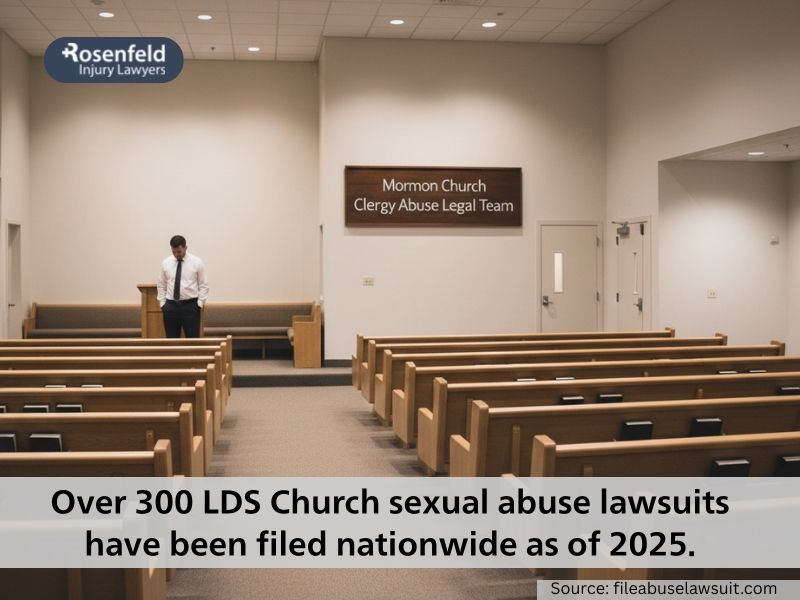
A database of Mormon sexual abuse lists more than 800 different cases by Mormon Church members, including missionaries, bishops, primary school teachers, and Mormon Church officials who failed to report sexual abuse.
These statistics are bolstered by the numerous sexual abuse victims who have come forward to seek justice against the Church of Jesus Christ of Latter-day Saints.
In one example, four female victims of sexual abuse came together to accuse a former Mormon bishop from Utah of molesting them as children. The man was also the mayor of a small town outside Salt Lake City, making him a powerful authority figure who used his influence to access children. The sexual abuse survivors came together to make their voices heard and seek justice.
How Much Are Mormon Church Sex Abuse Settlements?
In 2023, a Riverside, California, woman received a $2.28 billion jury verdict against her stepfather, a Mormon Church leader, for childhood sexual abuse that occurred for nine years, starting when she was only five years old.
Before this civil lawsuit verdict, she had also received a $1 million settlement from the Mormon Church, which knew the man was sexually abusing children but did nothing to stop it when the abuse happened or help them seek justice.
The systemic abuse in the Mormon Church is also connected to child abuse in the Boy Scouts of America. The two organizations were closely tied until 2020, when the Church of Jesus Christ of Latter-day Saints officially cut ties with the Boy Scouts.
A lawsuit alleged the Boy Scouts of America protected the Mormon Church from sexual abuse claims. The two organizations attempted to settle the sexual assault civil lawsuit for $250 million when the public found out the abuse had happened. Still, a judge denied the Mormon Church’s contribution to the Boy Scouts’ sexual abuse settlement fund.
What Laws Govern Mormon Sexual Abuse Lawsuits?
There are no federal laws that govern sexual abuse lawsuits against the Mormon Church or other religious organizations. Instead, sexual abuse claims for civil lawsuits are governed by state laws, and these tend to vary depending on the state.
What’s the Statute of Limitations for Childhood Sexual Abuse?
The statute of limitations for childhood sexual abuse lawsuits also varies depending on the state. The statute sets the time limit for filing LDS Church lawsuits against leaders or institutions. Typically, the timeline for any sexual assault starts when the abuse happened, but there are exceptions.
For example, Ohio has one of the shortest statutes for adults who were sexually abused. Adult victims of sexual assault have one year from the incident date. However, Ohio legislation gives childhood sexual abuse survivors until they turn 30 to file a sexual abuse lawsuit against the Mormon Church.
States are seeing a recent trend towards creating legislation that eliminates the statute of limitations, allowing sexual assault victims of LDS Church abuse to file a sexual abuse lawsuit against the Mormon Church anytime, even if it’s fifty years after the sexual abuse happened.
Many other states have created legislation to pause the timeline, allowing sexual abuse survivors ample time to pursue justice if they have repressed memories or don’t realize the injury is related to being sexually abused.
For example, a sexual abuse victim of the LDS Church may not realize their mental health issues are related to abuse from LDS church leaders if they can’t remember it because the memories are repressed. The timeline to take legal action or file a sex abuse lawsuit will usually start when they remember the incident.
Are Church Leaders Required to Report Abuse?
The Mormon Church has become notorious for concealing information regarding local church leaders and abuse by stating that it’s confidential, making it harder to hold the LDS Church accountable. Many states have laws that specifically state church leaders of any religious institution, including the Mormon Church, are not required to disclose information obtained in a confidential setting.
A confidential setting may include information disclosed during confession. It can also include someone talking about sexual abuse cases with a leader of the LDS church, and expecting the conversation to remain confidential. If someone overhears someone praying to Jesus Christ and admitting to abuse, they may not be required to report it.
These laws do vary per state. Utah law recognizes the clergy-penitent privilege but reserves it to matters disclosed in confession. This doesn’t include things overheard or witnessed in the church. Further legislation protects LDS church leaders who do file a report regarding information learned during confession.
In short, a person can confess to a leader of any church, including the LDS Church, that they committed child sexual abuse crimes, and it doesn’t have to be reported. Instead, the LDS Church official and the criminal can pray to Jesus Christ for forgiveness and move on.
Other states, such as Texas, don’t include this in legislation, requiring that clergy report all child sexual abuse to the proper authorities.
Mandated Reporters and the LDS Church Sexual Abuse
Child sexual abuse reporting rules are set by state law, not by a church’s internal policies. That matters for the LDS Church, or Mormon, sexual abuse cases, because some states require clergy to report, some require everyone to report, and some define mandated reporters as a limited list of professions that does not include clergy.
According to Ohio legislation, clergy reporting duties can be triggered by the facts and the statutory conditions, even when the suspected abuse is disclosed in a religious setting. (There are also narrow confidentiality and privilege rules that can complicate how a disclosure is handled, depending on the circumstances described in the statute.)
For example, legislation states that LDS Church clergy are not required to report sexual abuse cases if they learned about them while giving spiritual treatment, such as praying to Jesus Christ for forgiveness. However, LDS Church officials may be required to report suspected abuse as long as filing the report does not violate sacred trust.
New Jersey is commonly described as a “universal reporter” state, meaning any person with reasonable cause must report suspected child abuse; this includes members of the Church of Jesus Christ of Latter-day Saints.
New York’s mandated reporter framework is profession-based. State education and child welfare publications direct readers to the list outlined in Social Services Law § 413 and describe mandated reporters as specified professionals, not “everyone,” and they do not include LDS Church clergy as a general category in the standard list.
This means that church officials at the Church of Jesus Christ of Latter-day Saints are never required by law to report suspected child abuse. Although it’s the right thing to do, they are often not held liable for failing to report.
Navigating the many state laws that govern lawsuits against the Church of Jesus Christ of Latter-day Saints is complex. Our experienced lawyers can help you learn more about filing LDS Church abuse claims, even if the sex abuse happened years ago.
How a Mormon Church Sexual Assault Lawyer Can Help
Mormon Church sexual abuse attorneys are a critical resource for those seeking to take legal action against this powerful organization for its abusive behavior. At Injury Lawyer Team, we have the skills and experience necessary to investigate a sexual abuse claim against the LDS Church thoroughly, providing compassionate support for victims of sexual abuse and their family members.
Expertise and Understanding
Our Mormon Church lawyers are thoroughly familiar with all the facets of the Church of Jesus Christ of Latter-day Saints, including their doctrine, practices, and institutional policies. This has given us the insights necessary to handle sex abuse cases, as we understand the ways Mormon Church leaders and members cover up child abuse cases or justify them with doctrine.
Advocacy and Support
In Mormon Church sex abuse lawsuits, our team works with efficiency and compassion, protecting adult survivors while thoroughly investigating all particulars of the case. We’ll meticulously gather all evidence and identify all liable parties, including individuals, religious leaders, and organizations.
We aim to empower you by seeking justice for the LDS church’s failure to protect you. We do this by filing lawsuits and obtaining compensation to help you heal. As such, we center our approach on the needs of LDS Church abuse survivors, including ensuring their civil rights and confidentiality are always protected.
What are the Most Common Types of Alleged Abuse in the LDS Church?
Mormon Church sexual abuse can happen to anyone, though child sexual abuse is one of the most common forms of abuse that results in the LDS Church lawsuit. Both children and adults of all genders are vulnerable to inappropriate sexual behavior.
Child Sexual Abuse
Children who have suffered sex abuse at the hands of a Mormon Church member may be groomed to believe these actions are acceptable, especially if the abuser is an authority figure. Many of these children were abused by clergy members, sometimes even on LDS church property, but others were harmed during LDS Church youth programs, especially the Boy Scouts of America.
Before the LDS church cut ties with the organization in 2020, approximately 18.6% of all Boy Scouts were also Mormons. Over 84,000 people joined a class action settlement against the Boy Scouts in 2021. The ultimate settlement of $850 million was the largest child sex abuse settlement in history.
Medical research reveals child sex abuse can result in lifelong harm, including untreatable sexually transmitted infections and PTSD.
Adult Sexual Misconduct
Adult victims may have suffered sexual abuse by an LDS church leader who used their position of authority to demand sexual favors. Coercion, manipulation, and threats of damage to a victim’s reputation can all contribute to sexual assault or rape.
Those who are sexually abused at a missionary training center might feel isolated and helpless, mainly because the Mormon Church doesn’t allow families to visit. These young adults may be leaving home for the first time and have little support, trusting their leaders entirely to protect them from harm.
Institutional Cover-Up
The Mormon Church may be complicit in protecting abusers and silencing victims to spare the church’s reputation. LDS church officials have lobbied against changes to clergy-penitent privilege laws, which currently exempt clergy from reporting sexual abuse claims that were disclosed during confessions.
While they have not opposed a recent Utah law that offers protections to clergy who report alleged sex abuse claims to local law enforcement, Mormon leaders continue to protect clergy-penitent privilege throughout the United States, being involved in over 100 efforts to uphold this status.
The Mormon Church may refuse to report sex abuse to local authorities. They may also decline to remove abusive members from the congregation, leading to future abuse of more individuals.
Civil Claims Against the LDS Church
A sex abuse lawyer from Injury Lawyer Team will explore all possible ways to hold the Mormon Church accountable for the actions of its members or its failure to address abuse in its ranks. We’ll work with you to explore your legal options and help you pursue justice and recover compensation. We begin with a no-obligation consultation.
Negligent Hiring and Supervision
Any religious denomination must understand the risk of coercion and violence in its ranks, taking the proper steps to ensure abusers are not allowed access to victims and are not given positions of authority. As such, the LDS Church is responsible for screening and monitoring its local church leaders, promptly responding to potential concerns, and taking all allegations seriously.
Failures include allowing LDS Church members who have been accused of abuse to interact with minors, including in youth groups or at LDS Church-sponsored events, or dismissing allegations of forcible sexual abuse claims against an adult to avoid repercussions for the abusers.
Breach of Fiduciary Duty
Breach of fiduciary duty occurs when someone fails to act in another person’s best interests, typically for personal gain. This may mean financial abuse, but it can also mean refusing to intervene in a dangerous situation or to stop known sexual abuse from occurring.
The Mormon Church has an enormous amount of authority over its members due to the way the Mormon faith is interwoven into its communities. In sexual abuse cases, the LDS church has a responsibility to remove potentially abusive people, especially if they are leaders, to prevent further harm to its community.
Fraudulent Concealment
The Mormon Church may deny that abuse occurred or hide information about abuse claims from officials. They may also threaten victims to keep them from publicly disclosing their stories or manipulate them into keeping quiet.
In 2023, PBS News reported that the Mormon Church has an “official playbook” to handle abuse allegations, which includes providing hush money meant to buy a victim’s silence. This prevents abuse survivors from discussing when the abuse occurred or exploring legal options.
Not only do they vigorously protect any disclosures provided to clergy, but they also have a national sexual assault hotline called the Helpline, where bishops can report abuse claims, including those against youth leaders. However, the Helpline keeps no records and does not report confessions.
Many states have clergy-penitent privilege laws that allow abusers to make confessions to the Mormon Church in perfect confidentiality, including Idaho and Utah. Only the perpetrator can release a bishop or other clergy member from their silence so they can report anyone who was sexually abused, and most refuse to do so.
These systemic practices demonstrate that the Mormon Church fails to act on serious allegations, putting other individuals at risk. Our team of attorneys will ensure the LDS Church and its leaders take accountability for these failures.
Intentional Infliction of Emotional Distress
In addition to hiding sexual abuse claims and protecting perpetrators, the Mormon Church itself may intentionally make life difficult for victims.
This can include forcing abuse survivors to be in close contact with the perpetrator, shaming them into silence, or pushing them out of the LDS church, causing them to lose their only community. Officials may also manipulate victims with threats of spiritual consequences for exposing sexual abusers, such as insisting that it’s their fault the abuse occurred and that they must repent.
What Type of Compensation is Available for Mormon Church Sexual Abuse Victims?
A civil lawsuit compensates Mormon Church sexual abuse victims for the harm done to them by the LDS Church and the perpetrator. Compensation received is called damages and may include both economic and non-economic damages.
Economic damages are for financial expenses related to the assault, such as lost wages, while non-economic damages are for the emotional and social harm caused by the abuse.
Some financial compensation that victims may receive in a civil case includes:
- Medical expenses
- Therapy and counseling
- Pain and suffering
- Lost wages
- Loss of future earning potential
- Emotional distress
- Loss of faith and community
- The cost of filing an LDS Church lawsuit
- How long ago did the abuse allegedly occur?
- If the responsible parties are individuals or a religious institution
- How many abuse survivors are listed in the civil lawsuit
In rare cases, courts may award punitive damages to punish the abuser for conduct beyond gross negligence. These are intended to help prevent further abuse. A judge may award punitive damages to prevent further abuse if the Mormon church has an extensive history of sexual abuse allegations and refuses to protect children.
Your attorney will gather evidence proving who is liable and what damages you may be eligible for before you file lawsuits. You can discuss this with an attorney during a free consultation.
This evidence can include medical records, therapy notes, witness testimony, and communications from inside the LDS church, proving officials were aware of the abuse. Together, these will demonstrate how much you should receive based on the abuse’s overall impact.
What’s the Legal Process of Mormon Sexual Abuse Lawsuits?
A Mormon Church sex abuse lawyer from our firm will be by your side throughout the legal process, ensuring your rights are protected and you receive the support you need to heal. Sex abuse lawsuits include the following elements.
Reporting Abuse
First, you should report the abuse to the police and LDS Church leaders. This will provide further documentation of your allegations and construct a timeline.
Filing an Abuse Lawsuit
When you contact us to begin the legal process, we will identify the defendants and assess your case type. This will include what legal grounds you have to sue. Additionally, we’ll determine whether your case can proceed to trial based on the applicable statute of limitations, which varies by jurisdiction.
Discovery Process: Gathering Evidence and Depositions
The discovery process involves gathering evidence and recording witness depositions, including yours, your family members’, and the perpetrator’s. We then share this information with the defendants and their legal team so everyone has access to the same information. Throughout this process, we will uphold our commitment to confidentiality and protect your privacy so you don’t fear retaliation for filing an abuse lawsuit.
Settlement Negotiations vs. Trial
We begin by negotiating a settlement with the perpetrator and the LDS Church. This includes sending a demand letter and navigating counteroffers. We’ll use the evidence gathered to demonstrate that our settlement demands are grounded in precedent.
We can often negotiate a fair settlement for abuse lawsuits so you can recover compensation without going to court. However, if the Mormon Church refuses to provide appropriate compensation, we will take the case to trial and represent you in court, sharing your story before a judge and jury.
Appeals Process
Our team has a strong track record at trial, earning our clients a favorable verdict. However, if we receive an unfavorable verdict, we may need to appeal. In this instance, we’ll handle the appeals and keep you updated on the progress of your abuse lawsuit throughout.
Book a Free Case Evaluation to Explore Your Legal Options
Injury Lawyer Team is a top-rated personal injury firm that has recovered millions in damages for our clients. We work on a contingency-fee basis, meaning you owe us nothing unless we win your case. Our professional attorneys can help you file lawsuits and recover compensation.
To schedule your free case evaluation, call us 24/7 at 866-757-6452 or contact us online.
Specific Cases We Handle
- Mormon Church
- Nursing Home Sexual Assault
- Rabbi & Synagogue Abuse
- Rideshare Sexual Assault
- Royal Rangers
All content undergoes thorough legal review by experienced attorneys, including Jonathan Rosenfeld. With 25 years of experience in personal injury law and over 100 years of combined legal expertise within our team, we ensure that every article is legally accurate, compliant, and reflects current legal standards.