



Medical Sexual Abuse Survivors’ Legal Rights


At Injury Lawyer Team, we stand with victims who want to understand their medical sexual abuse survivors’ legal rights after experiencing sexual abuse or other mistreatment in a medical setting.
When a doctor, nurse, therapist, or other healthcare professional violates your trust or ignores informed consent, the trauma can be profound and life-changing. We believe in your case, and we are here to listen, support you, and help you protect your rights through the legal system.
Whether your experience may lead to doctor sexual assault lawsuits or other legal action against a medical provider or institution, we approach every case with care, respect, and discretion.
Our attorneys understand the confidential nature of these matters and are committed to helping you preserve evidence, access counseling and medical support, and move forward on your path to accountability and healing.

What Legal Options Can Survivors of Sexual Abuse in Medical Settings Explore?
At our firm, we know that victims of sexual abuse in medical environments are often left feeling confused about what to do next and which legal path to take. You may be dealing with deep trauma, physical and emotional harm, and uncertainty about how to protect yourself, report what happened, and find justice.
We are here to assist victims as they explore their options, providing support, clarity, and informed legal guidance every step of the process. In many situations, survivors may pursue civil and criminal cases involving sexual assault, depending on the circumstances of the abuse, the available evidence, and the goals they have.
Criminal Cases
Criminal cases focus on holding the individual who committed the abuse accountable under criminal laws. When victims report the abuse to the authorities, the state may bring charges such as sexual abuse, sexual battery, or other related offenses.
These cases are handled by prosecutors and can result in arrest, criminal court proceedings, and potential penalties such as imprisonment, probation, and mandatory sex offender registration.
While criminal cases are not controlled by the victim or our legal team, we support our clients through the reporting process by helping them understand what to expect, how to preserve evidence, how to protect their rights, and how to access medical care and counseling.
We make sure survivors feel heard, respected, and supported during every stage of an often difficult and emotional journey through the legal system.
Civil Cases
A civil lawsuit is separate from the criminal process and is filed by the victim against the person who caused the harm. Through civil litigation, victims can hold the perpetrator financially and legally responsible for the trauma and the medical and psychological treatment they now need to heal.
In civil court, the burden of proof is lower than in criminal court, which can make it easier for survivors to pursue accountability even if criminal charges are not filed or do not result in a conviction.
Our lawyers gather evidence, work with medical and mental health professionals, advocate for our clients, and fight for the financial recovery needed to cover medical bills, therapy, lost income, and other long-term effects of sexual abuse.
Institutional Liability
We know that many victims of sexual abuse in medical settings are harmed not only by an individual perpetrator, but by an entire system that failed to protect them.
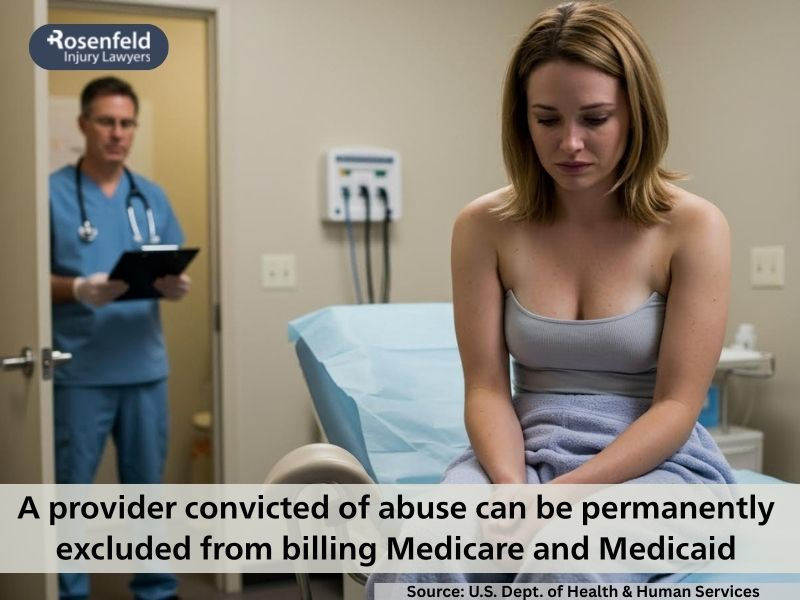
When hospitals, clinics, psychiatric facilities, or private medical practices allow abuse to happen through negligence, poor policies, or a lack of oversight, they can be held legally accountable. We stand with victims as they pursue justice against institutions that enabled trauma, ignored warning signs, or placed vulnerable patients in unsafe situations.
There are several common grounds for institutional liability in cases involving abuse in medical environments:
Vicarious liability – An institution can be held responsible for the actions of its employees when the misconduct occurs within the scope of their duties. If a doctor, nurse, therapist, or staff member commits sexual abuse while acting in a professional role, the hospital, clinic, or facility may be legally responsible for the harm caused.
Ethical violations in healthcare – Medical providers must follow strict ethical standards to protect patient safety, autonomy, and dignity. When these standards are ignored, such as through inappropriate conduct or failure to respect informed consent, both the individual and the supervising institution may be held accountable.
Ethics violations in therapy – The therapist–patient relationship is built on trust and emotional safety. Any sexual misconduct or boundary violation is a serious ethical breach. Institutions that fail to address complaints, enforce boundaries, or monitor therapists may also be held liable for the harm caused.
Hospital sexual abuse lawsuits – Hospitals have a duty to provide a safe environment for medical care. When they fail to properly screen, supervise, or respond to reports of misconduct, survivors may pursue lawsuits to hold the institution accountable.
Psychiatric hospital sexual abuse lawsuits – Psychiatric facilities serve highly vulnerable individuals. If staff members abuse patients and the facility fails to prevent, monitor, or intervene, victims may bring lawsuits based on the failure to protect those in their care.
Therapist sexual abuse lawsuits – Clinics and counseling practices can be held responsible when a therapist violates professional boundaries and commits sexual abuse. Failure to properly vet, supervise, or act on prior complaints can lead to institutional liability.
Gynecologist sexual abuse lawsuits – Medical practices and hospitals must ensure gynecologists follow proper procedures and respect consent. If a gynecologist commits sexual assault or inappropriate conduct and the institution fails to act, survivors can pursue justice through lawsuits against both the provider and the facility.
What Types of Financial Compensation Can Victims Recover in Medical Sexual Assault Lawsuits?
We understand that no amount of money can undo the trauma of sexual abuse in a medical setting. Still, a civil lawsuit can help survivors secure needed support and regain a sense of stability and control.
In medical sexual abuse lawsuits, compensation generally falls into three categories: economic damages, non-economic damages, and punitive damages.
Economic damages may include:
- Medical expenses for treatment and follow-up care
- Therapy, counseling, and mental health support
- Lost income and reduced earning capacity
- Costs related to changing medical providers
- Other out-of-pocket expenses tied to the harm
Non-economic damages may include:
- Pain and suffering
- Emotional distress and trauma
- Loss of enjoyment of life
- Damage to relationships and trust
Punitive damages may be awarded when the conduct is especially egregious, serving to punish the wrongdoer and deter future misconduct.
How Long Do Survivors Have to Start the Legal Process?
Survivors often ask how much time they have to take legal action after experiencing sexual assault in a medical setting. The answer depends on the details of the harm, the survivor’s age, and the state where it occurred. Every state sets a civil statute of limitations on sexual assault, which establishes the deadline for filing a civil lawsuit in court.
We understand that trauma can delay reporting. Some states extend or remove these time limits, especially for victims of childhood sexual abuse or if abuse occurred in institutional settings. Our attorneys review your situation and help you understand your options. Even if time has passed, we encourage you to reach out and speak with us.
How to Strengthen Your Case
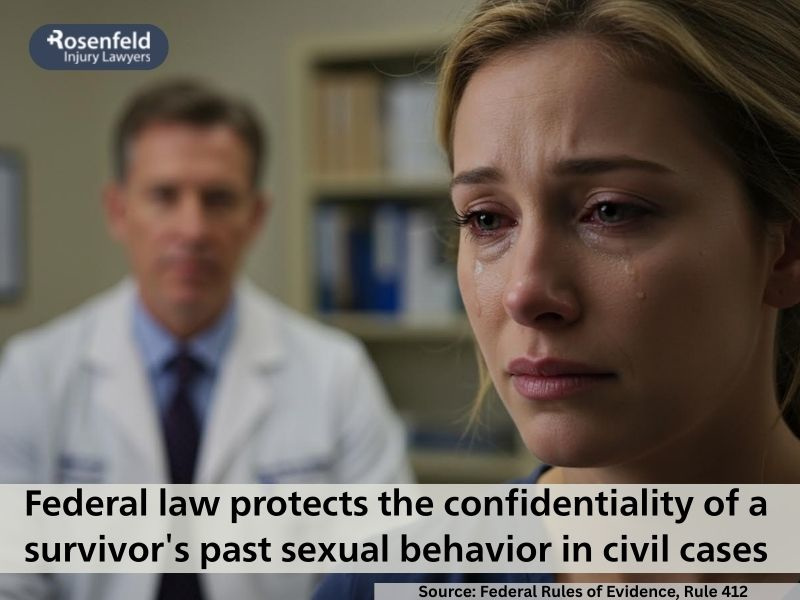
We know that victims of sexual assault in medical settings are often trying to process trauma while also figuring out what to do next. The steps you take after the abuse can help protect your rights, preserve evidence, and strengthen your ability to pursue justice through a civil lawsuit.
We stand with survivors as they move forward at their own pace, offering informed guidance, support, and advocacy every step of the way.
Take the following steps to ensure the best possible outcome:
Report the Incident to Local Law Enforcement
If you are able, reporting the abuse to the authorities creates an official record of what happened. This report can become a critical piece of evidence in both a criminal investigation and a civil lawsuit. It can also help protect other patients by bringing attention to an abusive provider or unsafe medical environment.
We understand that talking to police can feel overwhelming or retraumatizing. Our team is here to support you, explain the process in advance, and help you feel informed and protected while you decide what is right for you.
Seek Medical Care
Your health and safety are the top priority. Seeking immediate medical attention after an assault allows a provider to assess your condition, address any injuries, and document signs of abuse. Medical records can later serve as important evidence in your case and may support your claim for medical costs and future treatment.
We also encourage survivors to seek counseling and mental health support, as emotional and psychological rebuilding is a vital part of recovery.
Preserve Physical and Digital Evidence
If possible, try to avoid showering, changing clothes, or washing any items involved in the abuse until a medical exam or evidence collection can occur. Store clothing, bedding, or other items in a paper bag, if available.
Save any text messages, emails, voicemails, appointment reminders, or online patient portal messages connected to the medical provider or facility. These materials may later support your case and help establish a timeline of events.
Write Down What You Remember
Trauma can affect memory over time. When you feel able, write down everything you remember about the incident, including dates, times, locations, details of the medical appointment, what was said, and what happened. Even small details can be important in building a clear and consistent account. This personal documentation can support your attorneys as they represent you in court.
Request a Copy of Your Medical Records
You have the right to see your medical records. These records can show appointment dates, treatment notes, staff interactions, medications administered, and patterns of behavior that may be relevant to your case. Requesting your records early can help preserve them before they are altered, lost, or destroyed.
Identify Any Witnesses or Prior Concerns
If anyone witnessed suspicious or inappropriate behavior, or if you previously felt uncomfortable with the provider’s actions, make note of it. Other patients, staff members, or family members may have relevant information. Prior complaints, similar reports, or a history of misconduct can significantly strengthen a claim and support institutional accountability.
Speak With a Medical Sexual Abuse Attorney
One of the most important steps you can take is to speak with an experienced medical sexual abuse attorney who understands these cases and the sensitive nature of your experience. Our attorneys can explain your options, protect your rights, guide you through the process, and represent you in court. We believe survivors deserve to be heard, supported, and treated with dignity and respect.
How Our Legal Team Can Help
At Injury Lawyer Team, we stand with victims of sexual abuse in medical settings and provide compassionate, trauma-informed support throughout every stage of the process.
We understand how difficult it can be to talk about what happened, and we approach every case with respect, confidentiality, and care. Our role is to advocate, protect your rights, and guide you as you seek justice through a civil lawsuit.
As your case develops, our firm can help by:
- Listening to your story in a safe, private environment and explaining your options in clear, supportive language.
- Gathering and preserving key evidence, including medical records, hospital policies, communications, and witness information.
- Working with experts in medical ethics, trauma, and healthcare standards to strengthen your case.
- Identifying liable individuals and institutions, including hospitals, clinics, and private practices.
- Filing and managing your civil lawsuit and all required court documents.
- Communicating with insurance companies, opposing counsel, and healthcare systems on your behalf.
- Advocating for compensation related to medical expenses, counseling, lost income, and long-term harm.
- Supporting your need for counseling, medical care, and continued healing as the process moves forward.
We understand that survivors of sexual abuse are not just case files, but people who have suffered a profound violation of trust. We are here to protect your voice, respect your experience, and support your path toward justice and recovery.
Book a Confidential Consultation With Our Law Firm
If you are considering taking legal action, we invite you to contact us to discuss your options regarding medical sexual assault lawsuits in a safe, private setting. We offer a free consultation, where you can speak openly with our attorneys about what happened, ask questions, and learn how the legal process may apply to your situation.
We handle these cases on a contingency fee basis, which means you pay no upfront fees and owe nothing unless we recover compensation for you.
You don’t have to go through this alone. We stand with you. When you are ready to take the next step, contact us to begin the process of attaining justice and accountability.
All content undergoes thorough legal review by experienced attorneys, including Jonathan Rosenfeld. With 25 years of experience in personal injury law and over 100 years of combined legal expertise within our team, we ensure that every article is legally accurate, compliant, and reflects current legal standards.