

Sexual Abuse and Assault Injury Lawyers


How to Report Nursing Home Abuse
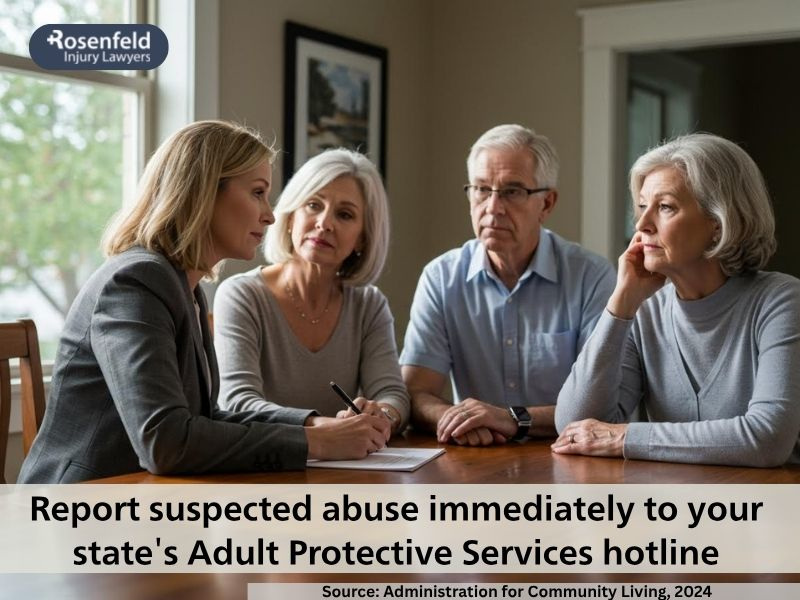
At Injury Lawyer Team, we guide families through every step of protecting their loved ones in long-term care. Knowing how to report nursing home abuse can make the difference between ongoing harm and swift intervention.
Our attorneys help clients report suspected abuse, document incidents, and pursue an abuse lawsuit when negligent facilities or staff cause injury or neglect. If you believe a resident is being mistreated, we’re here to help you take action, protect their safety, and hold the responsible parties accountable.
What Are the Signs of Elder Abuse or Neglect in Nursing Homes and Assisted Living Facilities?
Families trust assisted living and nursing care facilities to offer compassionate, safe care for their loved ones, but far too often, that trust is betrayed. Abuse and neglect can take many forms, from physical injuries to emotional withdrawal or unexplained changes in behavior.
Recognizing these patterns early is critical for protecting nursing home residents and ensuring that suspected abuse is reported before it escalates. When caregivers or staff fail to meet basic standards of care, the consequences can be devastating, leading to lasting harm or even death.
Physical and Health-Related Indicators
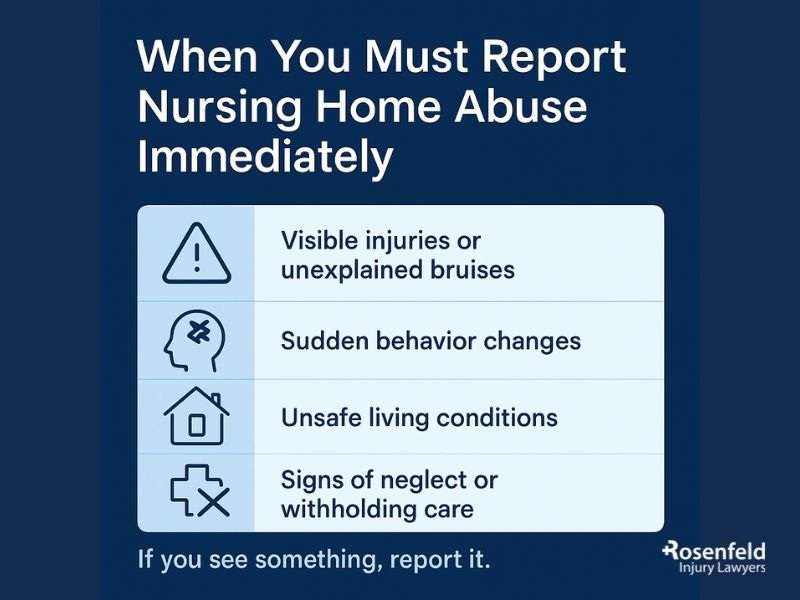
Spotting the warning signs of elder abuse or neglect in a nursing home can mean the difference between safety and ongoing harm. Many older adults are unable or afraid to speak up, making vigilance from family members, friends, and mandatory reporters essential.
Physical indicators include unexplained bruises, fractures, burns, bedsores, or frequent falls that staff can’t explain. Poor hygiene, dirty bedding, or weight loss may indicate neglect. Missed medications or untreated illnesses can also suggest inadequate care.
Emotional and Behavioral Changes
Behavioral warning signs often appear before visible injuries. A resident who becomes withdrawn, fearful, anxious, or unusually agitated, especially around certain staff members, may be suffering mistreatment. Sudden confusion or loss of interest in activities can point to psychological distress or emotional abuse.
Financial or Social Red Flags
Missing belongings, strange bank activity, or abrupt changes to financial documents may reveal financial exploitation. Likewise, restricted visits, unanswered calls, or staff discouraging family questions can indicate a cover-up.
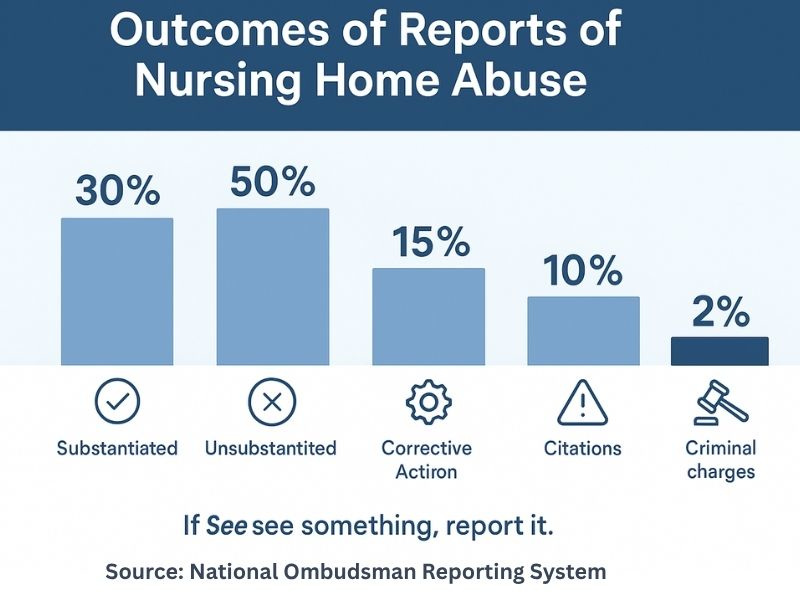
According to nursing home abuse statistics, many incidents go unreported due to fear of retaliation or lack of oversight. Early reporting of nursing home abuse is essential to protect residents and build a strong record for an abuse lawsuit if negligence is proven.
What Are Common Types of Abuse in Long-Term Care Facilities?
In long-term care facilities, including nursing homes and assisted living communities, residents rely on caregivers for nearly every aspect of their daily lives, including food, medication, hygiene, and companionship.
When that trust is violated, the result is not always visible injury but a pattern of harm that can affect a person’s health, dignity, and emotional well-being. Abuse in these settings takes many forms, each defined by the type of conduct and the caregiver’s failure to meet professional and legal duties.
Physical Abuse
Physical abuse occurs when a caregiver intentionally uses force or restraint that causes pain, discomfort, or bodily injury. This includes acts such as hitting, pushing, kicking, shaking, or handling residents roughly during transfers or bathing. It can also involve the misuse of physical or chemical restraints for convenience or discipline, rather than medical necessity.
In some cases, caregivers deliberately withhold food, hydration, or essential medications as punishment or control. These actions endanger residents and violate federal and state standards governing nursing facilities and long-term care services.
Emotional or Psychological Abuse
Emotional abuse is the deliberate infliction of fear, humiliation, or distress through words, tone, or actions. Caregivers may insult, threaten, or ridicule residents, ignore their questions, or treat them as burdens. Psychological harm also includes coercion, intimidation, or manipulation that undermines a person’s autonomy.
In institutional settings, emotional abuse may appear as staff intentionally withholding affection, infantilizing residents, or speaking about them as if they were not present. This type of abuse erodes self-esteem, creates anxiety, and can lead to serious mental health decline over time.
Neglect
Neglect happens when a facility or its staff fail to deliver the essential care required to protect a resident’s health, safety, and well-being. Unlike physical maltreatment, neglect often results from systemic issues, such as understaffing, poor supervision, or lack of training.
It includes failure to assist with personal hygiene, provide adequate nutrition or hydration, administer medications correctly, or ensure a clean and safe environment. Chronic neglect may violate residents’ rights and can justify both state investigation and civil legal action.
Sexual Abuse
Sexual abuse encompasses any non-consensual sexual act, contact, or behavior directed toward a resident. In long-term care facilities, this abuse can be committed by nursing home employees, other residents, or outsiders who gain access to the facility.
It includes sexual assault, coerced nudity, inappropriate touching, and exploitation through threats or manipulation. Because many residents suffer from dementia or mobility issues, they may not be able to give consent or defend themselves. Federal and state laws require facilities to have strict reporting and prevention policies, and any incident must be immediately reported.
Financial Exploitation
Financial exploitation involves the unauthorized or improper use of a resident’s money, property, or financial resources. In a care facility, this can take the form of forged checks, stolen credit cards, coerced signatures, or manipulation of wills and powers of attorney. At an institutional level, it may include stealing personal belongings, fraudulent billing, double-charging for services, or misuse of resident accounts.
Exploitation deprives victims of financial stability and can leave families struggling to recover lost assets. Many states now classify financial abuse of an older adult as a form of criminal elder abuse, subject to restitution and civil damages.
Where to Report Elderly Abuse
When a loved one is being mistreated in a nursing home, knowing where to report elder abuse is the first step toward protection and accountability. Reporting nursing home abuse helps the individual victim and prevents future harm to other residents. Multiple agencies at the federal, state, and local levels oversee long-term care services, investigate complaints, and ensure that appropriate action is taken.
If you or someone you know believes a resident is being mistreated, these are the steps to take if you suspect nursing home abuse:
- Call 911 if someone is in immediate danger. If a resident faces ongoing or serious harm, contact local law enforcement right away to ensure the person’s safety.
- Arrange medical care immediately. Request a full medical evaluation, ensure medications are administered, and ask for copies of all medical records.
- Document what you observe. Take photographs, save written communications, and keep a detailed description of incidents, including dates, times, and names of involved nursing home employees.
- Report suspected abuse to your state agency. Each state has designated bodies responsible for overseeing nursing homes, including the Centers for Medicare & Medicaid Services, Adult Protective Services, and the Long-Term Care Ombudsman Program.
- Follow up after reporting. Keep copies of your complaint form, contact notes, and reference numbers. Stay in touch with the assigned investigator to ensure progress is being made.
Taking these steps early can help secure evidence, protect your loved one, and lay the groundwork for potential legal action against negligent institutions or responsible parties.
If you suspect abuse or neglect, you do not have to handle the process alone. The following organizations can help you file a complaint, remain anonymous if needed, and ensure that your concerns reach the proper authorities.
National Centers for Medicare & Medicaid Services
The Centers for Medicare & Medicaid Services (CMS) oversees federally certified nursing homes and enforces compliance with federal health and safety regulations. Through state survey agencies, CMS monitors care standards, conducts inspections, and investigates reports of abuse or neglect within long-term care services.
CMS governs nursing homes that receive Medicare or Medicaid funding. Every certified facility must meet strict federal requirements related to resident safety, staffing, sanitation, and medical care.
If you suspect mistreatment or poor conditions in a certified care facility, you can file a complaint with your state’s Department of Health or survey agency. These agencies have authority to conduct onsite inspections, interview staff and residents, and issue fines or citations for violations.
Visit CMS’s State Survey Agency Directory to find your local office. Each state’s website includes phone numbers, email addresses, and online reporting portals. You can also call 1-800-MEDICARE (1-800-633-4227) for assistance locating the right agency.
CMS investigations are crucial because their findings can trigger enforcement actions, license suspensions, or referral to law enforcement. If your complaint is substantiated, it can lead to safer conditions for all nursing home residents statewide.
Adult Protective Services
Adult Protective Services (APS) agencies operate in every U.S. state and territory to respond to reports of abuse, neglect, or exploitation of older adults and adults with disabilities. APS workers are trained to evaluate safety risks, coordinate emergency services, and ensure vulnerable individuals receive protection.
APS programs oversee protective services for adults who are unable to protect themselves from mistreatment or neglect. They collaborate with local law enforcement, healthcare providers, and long-term care ombudsmen to secure the safety of victims and initiate investigations when needed.
APS can remove residents from danger, arrange emergency housing or medical treatment, and work with families to develop care plans that ensure long-term safety. They may also coordinate with prosecutors or regulatory bodies if a crime or systemic abuse is suspected.
To find your local APS office, visit the National Adult Protective Services Association (NAPSA) Help in Your Areadirectory or call the Eldercare Locator at 1-800-677-1116. Many states allow you to report nursing home abuse anonymously, and your information remains private throughout the investigation.
APS is often the first line of defense in reporting abuse within nursing homes or home settings. Their interventions can prevent immediate danger, stop ongoing mistreatment, and ensure the victim receives long-term care and support.
Local Ombudsman
The Long-Term Care Ombudsman Program is a federally mandated advocacy service under the Administration for Community Living (ACL) that protects the rights of elders residing in nursing homes.
Ombudsmen are independent advocates who monitor conditions in long-term care services and resolve complaints filed by residents, families, or concerned community members. They do not have enforcement powers but can escalate issues to regulatory agencies.
Ombudsmen assist residents with filing complaints, ensure their concerns are taken seriously, and help resolve disputes involving care quality, personal rights, or facility retaliation. They can also provide education to families about their loved one’s legal rights and connect them to protective services if necessary.
Locate your state’s ombudsman office through the National Ombudsman Resource Center. You can also ask your local area agency on aging for the nearest contact. Ombudsman services are confidential and free of charge.
Ombudsmen ensure that residents of nursing homes have a voice and that their concerns are addressed quickly. They play a key role in the reporting process, helping families navigate bureaucratic systems and advocating for fair treatment on behalf of victims.
Local Law Enforcement
Local law enforcement, including city police departments and county sheriff’s offices, handles criminal aspects of elder abuse, such as physical or emotional abuse, sexual assault, or theft. While other agencies may handle administrative or civil investigations, police are responsible for collecting evidence and pursuing criminal charges against responsible parties.
Law enforcement investigates potential crimes within nursing homes, including assault, harassment, exploitation, or suspicious deaths. They can coordinate with APS, prosecutors, and facility administrators to ensure the legal process moves forward.
Police can intervene immediately to remove a resident from danger, arrest offenders, or initiate forensic investigations. Many departments have dedicated elder abuse units or trained officers who understand the complexities of abuse or neglect in long-term care.
If someone is in immediate danger, call 911. For non-emergency concerns, contact your local department’s non-emergency number to file a report. The U.S. Department of Justice’s Elder Justice Initiative also provides national reporting guidance and links to local task forces.
Law enforcement action ensures that abuse is not merely documented but prosecuted. Working alongside APS, ombudsman offices, and legal advocates, police involvement can lead to both criminal penalties and civil remedies for victims of nursing home abuse.
FAQs
What information needs to be provided in the complaint form?
Include the resident’s name, facility name and address, dates of suspected elder abuse or neglect, names of involved staff members, a detailed description of what happened, and any supporting evidence such as photos or medical records.
Can you anonymously report nursing home abuse?
Yes. In most states, you can anonymously report nursing home abuse, and your information remains private under confidentiality laws protecting good-faith reporters.
What is the long-term care ombudsman program?
The long-term care ombudsman program is a federally mandated service that advocates for nursing facility residents, investigates complaints, helps resolve disputes, and ensures residents’ rights are protected.
Explore Your Legal Options
If your loved one is experiencing abuse or neglect in a nursing home, you have the right to seek justice. Our dedicated nursing home sexual abuse lawyers represent residents and families in cases involving physical trauma, sexual abuse, neglect, and financial exploitation. We take immediate action to secure evidence, interview witnesses, and work with medical experts to document harm and related medical expenses.
At Injury Lawyer Team, we understand how difficult it can be to come forward. We keep your information private, and our team handles all communications with investigators, regulators, and facility representatives on your behalf. We approach every case with compassion and determination, holding negligent facilities and staff accountable for the pain they’ve caused.
Our firm operates on a contingency fee basis, meaning you’ll never pay upfront costs, and you owe nothing unless we win your case. To discuss your situation, understand your legal rights, and take the first step toward accountability, contact us today for a free consultation.
All content undergoes thorough legal review by experienced attorneys, including Jonathan Rosenfeld. With 25 years of experience in personal injury law and over 100 years of combined legal expertise within our team, we ensure that every article is legally accurate, compliant, and reflects current legal standards.