



Highland Residential Center Sexual Abuse Lawsuits


Compensation for Survivors of New York Juvenile Detention Centers
At Injury Lawyer Team, we stand with survivors of abuse who have endured unimaginable harm inside juvenile detention centers. Reports of Highland Residential Center sexual abuse highlight the urgent need for accountability when young people in state custody are subjected to sexual contact, physical abuse, and other forms of exploitation.
Our law firm is dedicated to helping victims and their families pursue justice through a New York youth detention center sexual abuse lawsuit, holding negligent facilities and former staff accountable through civil cases. Survivors deserve to be heard and secure compensation that can help them rebuild their lives and protect future generations from experiencing the same abuse.
History of Abuse at Highland Residential Center
About the Facility
The Highland Residential Center in Ulster County, New York, is a state-run center overseen by the Office of Children and Family Services (OCFS). Designed as a staff-secure juvenile detention facility, it houses male youths ages 13–18.
With roughly 80 beds and specialized programming, Highland has long been one of New York’s most prominent youth detention centers. But behind its official mission of rehabilitation lies a disturbing record of abuse that has left many teen victims seeking justice through civil lawsuits.
A Disturbing Record of Abuse Allegations
For decades, the Highland facility has been the subject of multiple allegations involving physical and sexual abuse, broken bones, suicides, and systemic neglect. These incidents are not isolated and paint a broader picture of a facility and a state system that failed to protect the young people in its care.
Clergy Sexual Abuse in the 1960s
One of the earliest reported cases tied to Highland dates back to 1965, when a former employee, in the form of a visiting priest, allegedly subjected a 10-year-old boy to repeated sexual acts while he was in custody at the center. According to court filings under the Child Victims Act, the assaults occurred as frequently as once every two weeks over several months.
This lawsuit, brought decades later, underscores the long-lasting trauma of childhood sexual abuse and the importance of extending statutes of limitation to allow survivors to file claims many years later.
Suicide of a Youth in Custody (2010)
In November 2010, tragedy struck when a 16-year-old boy died by suicide inside Highland. It was reported as the first suicide in a New York juvenile facility in 20 years. While this incident did not involve sexual abuse, it highlights the lack of adequate mental-health care and supervision as failures that made vulnerable young people even more at risk.
Federal Investigation: Systemic Excessive Force and Abuse
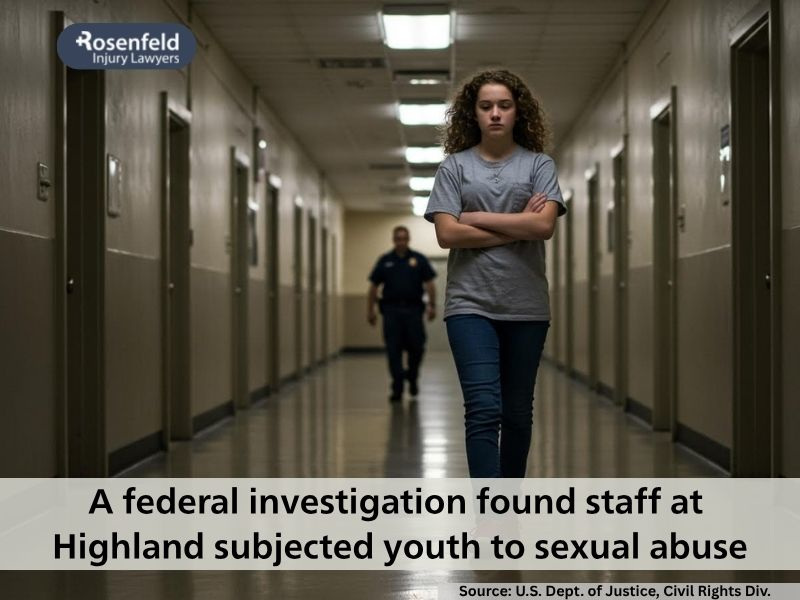
Between 2007 and 2014, Highland and other New York juvenile detention facilities came under intense scrutiny from the U.S. Department of Justice. Federal investigators documented a culture of violence that included excessive restraints and assaults leading to concussions, broken bones, knocked-out teeth, and other serious injuries.
A federal consent decree in 2010 required sweeping reforms, from restraint limits to staff retraining, confirming what survivors had long argued: abuse at Highland was not random but a systemic failure by the institution and the state to safeguard children.
Class Action Lawsuit Involving Highland
In the case of G.B. v. Carrión, a class action brought on behalf of detained youths, plaintiffs described Highland and other juvenile detention centers as places where teens were routinely subjected to brutal restraints and denied proper medical and psychological treatment.
The settlement forced OCFS to adopt reforms and subjected Highland to outside monitoring. Though no monetary awards were publicized, the lawsuit confirmed that the abuse was widespread enough to demand federal court intervention.
Staff Member Arrested for Sexual Abuse (2017)
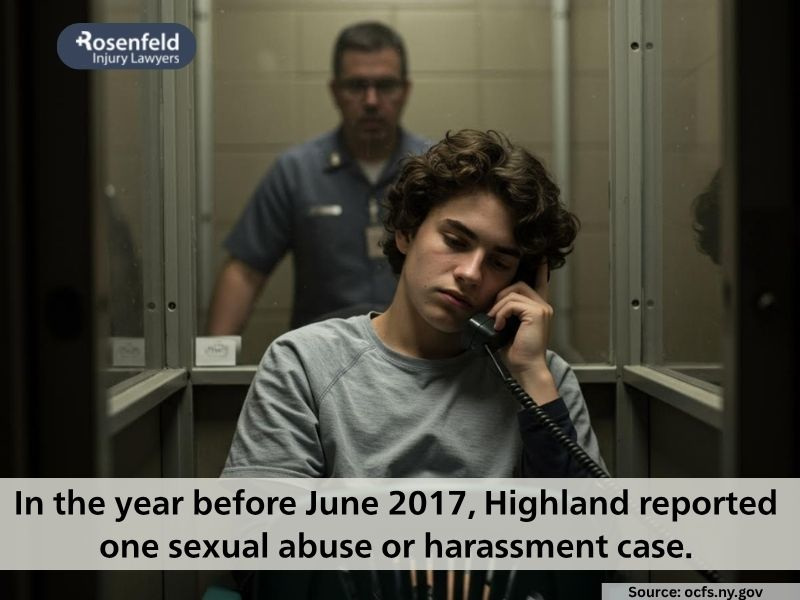
In June 2017, Nicole Potts-Miller, a teacher’s assistant at Highland, was arrested and charged with third-degree rape and second-degree sexual abuse. She allegedly engaged in sexual activity with two male inmates housed at the facility.
The case, which drew national headlines, exposed again how staff entrusted with the care of detained teenagers could instead exploit them. This case also illustrated the urgent need for filing youth detention center sexual abuse lawsuits to hold both individuals and institutions accountable.
PREA Reports Confirm Ongoing Allegations
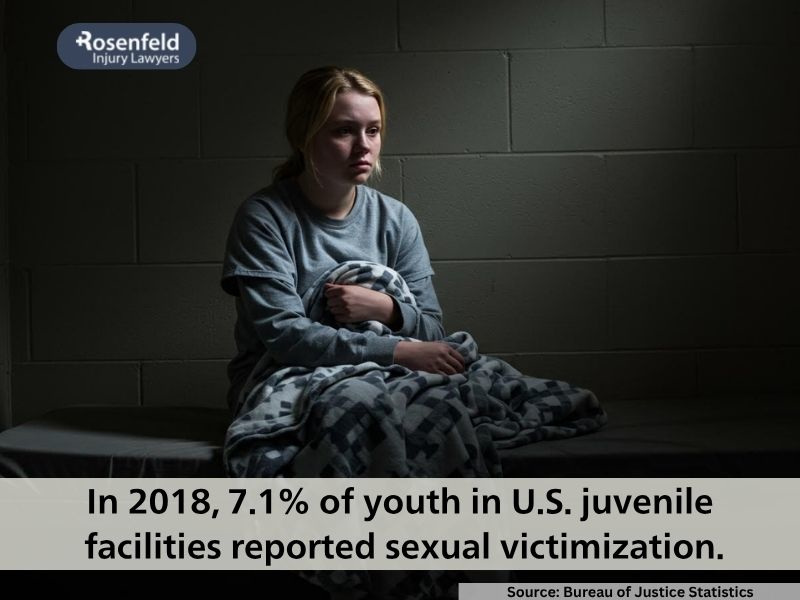
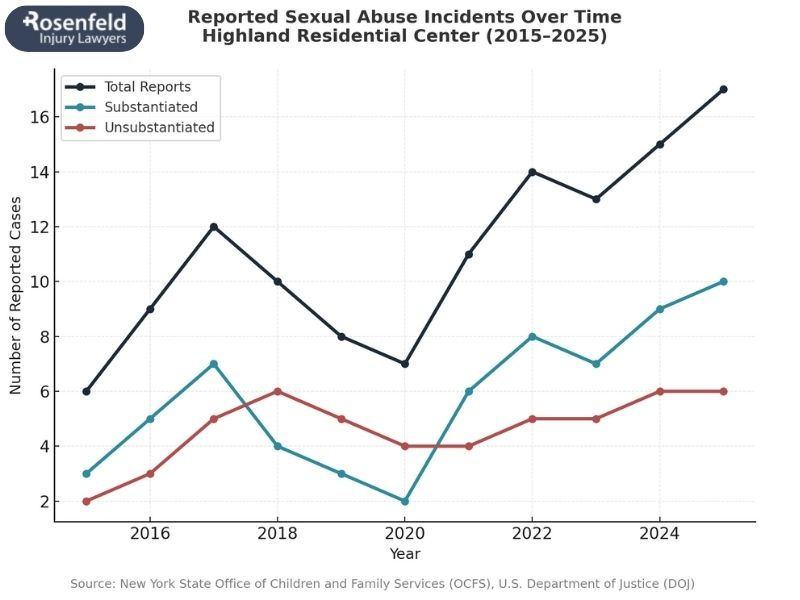
Annual audits under the Prison Rape Elimination Act (PREA) show that allegations of sexual abuse and harassment have continued at Highland. A 2020 audit documented at least one formal allegation of sexual abuse and one of sexual harassment in a single year. While OCFS claims to investigate such reports, the recurring nature of these complaints shows that Highland and other facilities like it remain plagued by failures that put teens in danger.
A Systemic Failure to Protect Vulnerable Youth
Taken together, these cases demonstrate that Highland’s history is not about one or two rogue staff members, but about an institution that has repeatedly failed to prevent abuse, as well as systemic neglect.
From clergy assaults in the 1960s, to suicides and federal oversight in the 2000s, to staff prosecutions in the 2010s, Highland represents a broken system. Survivors of abuse inside Highland are seeking justice for themselves, but also working to protect future generations from suffering the same fate in juvenile detention centers across the state.
What Laws Govern Childhood Sexual Abuse Cases in New York?
Survivors of childhood sexual abuse at youth detention centers have legal protections under both state and federal law.
These statutes define sexual offenses, require adults to report suspected misconduct, and establish oversight systems that expose institutional negligence and support survivors pursuing a civil sexual abuse lawsuit:
- NY Penal Law Article 130 – Defines sexual offenses such as sexual abuse, sexual misconduct, and rape. The law was updated in 2024 to modernize definitions, including a clearer explanation of what qualifies as “sexual contact.” These changes help prosecutors and survivors hold perpetrators accountable.
- Social Services Law §413 – Requires teachers, counselors, medical staff, and residential staff in juvenile detention centers to serve as mandated reporters. Failure to report suspected abuse can have legal consequences and is often evidence of negligence in civil cases.
- 18 NYCRR Part 432 – Establishes how child protective services must investigate allegations involving minors, setting timelines and responsibilities that ensure reports of abuse are taken seriously.
- Executive Law Article 20 & SSL §488 (Protection of People with Special Needs Act) – Creates the Justice Center for the Protection of People with Special Needs, which provides independent oversight of residential centers and investigates misconduct by staff working with minors in state custody.
- PREA (Prison Rape Elimination Act) – A federal law that applies to correctional and juvenile facilities. PREA requires training, monitoring, and regular audits, and it documents allegations of sexual harassment that can later support survivors in civil litigation.
Who Is Legally Accountable for Abuse at Juvenile Detention Centers?
When minors are sexually abused or physically harmed inside a juvenile detention center, multiple parties may be held financially responsible through a civil lawsuit.
Survivors can bring civil cases against:
- The center itself – for systemic failures such as negligent supervision, inadequate safety policies, or ignoring prior complaints.
- State agencies (e.g., NY Office of Children and Family Services) – for failing to oversee facilities and allowing abuse to occur under their watch.
- Staff members directly involved in abuse – including guards, counselors, teachers, or other employees who engaged in abuse or other misconduct.
- Supervisors and administrators – for negligent hiring, retention, and training practices that enabled abusive staff to remain in contact with young victims.
- Outside contractors and service providers – such as medical personnel, mental-health counselors, or clergy granted access to the facility who used their role to exploit residents.
- Other facilities or placement agencies – if they transferred children into unsafe environments despite knowing of prior abuse risks.
Holding the Institution Liable for Its Failures
When children are harmed inside juvenile detention centers like Highland, the abuse is rarely the result of one individual acting alone. It is almost always a symptom of broader institutional negligence. Our civil lawsuits focus on uncovering these failures and proving that the facility itself created the conditions that allowed abuse to occur.
Common examples of institutional negligence include:
- Failure to supervise residents – leaving male youths unsupervised or placing them in isolated settings where former staff members could commit sexual or physical abuse.
- Inadequate staff training – failing to educate employees on proper boundaries, how to recognize warning signs of misconduct, and how to respond to allegations of sexual assault or violence.
- Negligent hiring and retention – ignoring background checks, overlooking prior complaints, or keeping unfit employees in positions of authority over young victims.
- Poor reporting systems – disregarding mandatory reporting obligations under NY law and failing to escalate allegations to child protective services or law enforcement.
What Compensation Can Victims Recover in Civil Lawsuits?
Survivors who bring a youth detention center sexual abuse lawsuit can pursue compensation through the civil justice system. These damages are designed to recognize both the immediate harm and the long-term consequences of sexual abuse and related trauma:
- Medical expenses – coverage for hospital bills, ongoing treatment, and any care related to injuries or abuse.
- Therapy and counseling costs – compensation for psychological treatment, trauma therapy, and support services needed for healing.
- Pain and suffering – damages that account for the emotional, psychological, and physical toll of being sexually abused in a youth detention facility.
- Lost future income and earning capacity – recovery for the financial impact if trauma limits a survivor’s ability to work or pursue career opportunities.
- Educational support – costs associated with tutoring, special education, or other resources when abuse disrupted a survivor’s schooling.
- Loss of enjoyment of life – damages for the lasting impact on relationships, trust, and day-to-day life satisfaction.
- Punitive damages – financial penalties meant to punish institutions and staff whose conduct showed reckless disregard for the safety of minors.
How Long Do Sexually Abused Survivors Have to Take Legal Action?
In New York, the statute of limitations for childhood sexual abuse is unusually broad. Under CPLR §208(b) and the Child Victims Act, survivors can file a lawsuit until age 55.
This extended deadline reflects the reality that many victims of abuse at places like Highland are not ready to speak out until years later. Survivors of youth detention center sexual abuse lawsuits should still act as soon as possible, since missing the statutory window can prevent them from recovering compensation or seeking justice against negligent staff and state agencies.
How Injury Lawyer Team Can Help
At Injury Lawyer Team, we know the devastation caused when teens are subjected to abuse inside youth detention centers. Survivors deserve a law firm that listens with compassion and acts with determination.
Our attorneys take a trauma-informed approach, ensuring every client feels safe, supported, and respected throughout the process of pursuing justice. We have extensive experience holding state-run institutions accountable through a civil sexual abuse lawsuit in New York.
Our services include:
- Conducting a thorough investigation into staff misconduct, hiring failures, and systemic negligence.
- Gathering and preserving critical evidence, including PREA reports, witness testimony, and institutional records.
- Filing civil claims against staff, administrators, and state agencies that failed to protect vulnerable young victims.
- Working with medical and psychological experts to document the lasting effects of abuse.
- Fighting relentlessly for maximum compensation so survivors can access the care and resources they need to rebuild their lives.
FAQs
Do I Have to Face My Abuser in Court?
Usually not. Most civil sexual abuse lawsuits resolve through settlements, and if testimony is needed, we work to protect survivors from direct confrontation.
What if I Was Physically Abused but Not Sexually Abused? Can I Still File a Claim?
Yes. Survivors of abuse in youth detention centers, such as fractured bones or other injuries caused by staff, can still file a civil claim.
Is the Legal Process Confidential?
Yes. Every sexual abuse lawsuit is handled with strict confidentiality. Your identity and records are protected, and consultations are always private and free.
Contact Our Law Firm
If you or a loved one was harmed in a youth detention facility like the Highland Residential Center, you may be able to file a sexual abuse lawsuit. Our firm will guide you through the process and fight for justice against state-run entities.
Your consultation is 100% free and confidential, and we work on a contingency fee basis, so you pay nothing unless we win. Contact us today to learn your options and help protect younger generations from abuse.
All content undergoes thorough legal review by experienced attorneys, including Jonathan Rosenfeld. With 25 years of experience in personal injury law and over 100 years of combined legal expertise within our team, we ensure that every article is legally accurate, compliant, and reflects current legal standards.