



Depression and Sexual Abuse


Depression and sexual abuse are deeply connected, and we see that reality every day in our work with survivors. Childhood sexual abuse, sexual assault, and other forms of sexual misconduct can leave lasting psychological and physical scars that follow survivors well into adulthood.
Many of our clients come to us carrying memories of past abuse and living with depression, anxiety, and other mental health conditions that developed years later.
At Injury Lawyer Team, we focus on representing survivors of childhood and adult sexual abuse who are struggling with the long-term consequences of that trauma. We understand how overwhelming it can feel to carry this burden alone. We stand with you, you’re not alone, and we believe in your case.
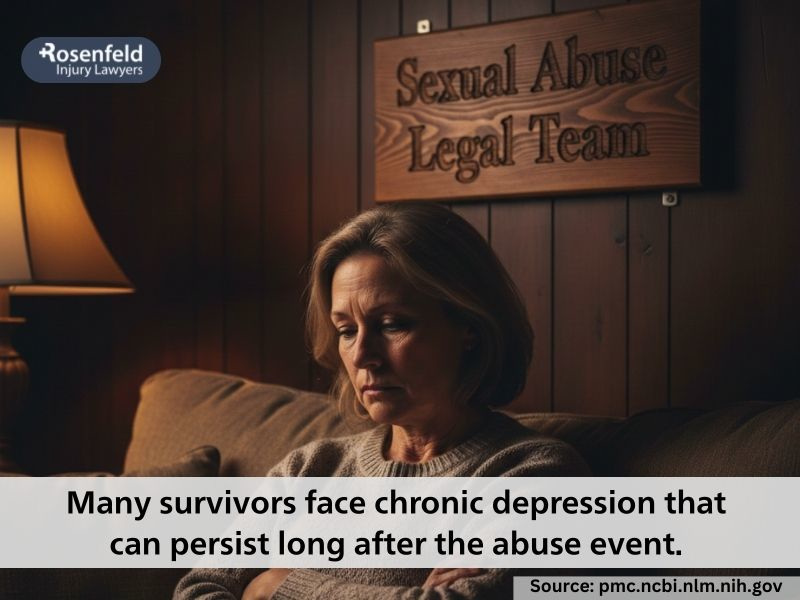
What Are the Effects of Child Sexual Abuse?
Childhood sexual abuse is widely recognized as one of the most serious adverse childhood experiences and a major risk factor for long-term mental and physical problems.
According to previous research, including national survey data and findings cited by the World Health Organization, around 40 million children around the globe experience some form of abuse and neglect. The data consistently show that survivors of such abuse face an increased risk of developing depression, anxiety, and other psychiatric issues later in life.
Studies have shown that adults who experienced childhood sexual abuse were much more likely to struggle with depression and ongoing health problems later in life. Compared to people without abuse histories, those with one abuse experience were about 22% more likely to be diagnosed with depression, while those with multiple experiences were about 24% more likely.
Survivors also reported more unhealthy days each month. A single abuse experience was linked to nearly 3 extra days of poor mental health, while multiple experiences led to over 4 extra days.
Physical health was affected as well, with survivors reporting 1–3 additional days of poor physical well-being each month. Overall, the findings show that childhood sexual misconduct has lasting mental and physical consequences, especially when the abuse occurred more than once.
These outcomes are not a personal failure. They are a predictable response to childhood trauma, forced sexual contact, and physical maltreatment that disrupts normal functioning, trauma response systems, and emotional development.
Impact on Mental Health
The mental health effects of childhood sexual abuse are complex and long-lasting. Survivors often experience a wide range of psychological health problems that may not fully emerge until adulthood, especially after stressful life events, interpersonal violence, or adult sexual assault.
Researchers have identified ways abuse affects the brain, including changes to stress hormones, emotional regulation, and cognitive factors involved in self-worth and self-blame. These biological and psychosocial mechanisms help explain why childhood abuse and adult psychological disorders are so closely linked.
Survivors of child abuse may develop psychological health disorders such as major depression, PTSD, generalized anxiety disorder, eating disorders, and borderline personality disorder. Many also struggle with self-harm and substance abuse as coping mechanisms.
Many survivors also struggle with long-term mental functioning challenges, including difficulty forming trust, impaired emotional regulation, and heightened sensitivity to stress. These effects are often linked to early disruptions in the trauma response system and can persist even decades after the abuse, particularly when the trauma involved repeated or prolonged exposure.
Post-Traumatic Stress Disorder (PTSD)
PTSD is one of the most common psychological disorders linked to child sexual abuse. Posttraumatic stress disorder can develop after repeated forced sexual activity or frequent abuse, particularly when the abuse involved family violence or household dysfunction.
Physical and psychological symptoms of PTSD may include intrusive memories, nightmares, emotional numbness, hypervigilance, and avoidance behaviors. PTSD can severely interfere with relationships, work, and daily functioning. Many survivors also experience overlapping psychological health conditions, including depression and anxiety, which compound these symptoms.
Major Depressive Disorder
Major depressive disorder is strongly associated with early child abuse and neglect. Survivors face a significantly increased risk of developing major depression, including recurrent major depressive episodes that persist over time and throughout life.
Major depression may present differently depending on sex differences, gender differences, and individual clinical characteristics. Some survivors experience persistent sadness and hopelessness, while others struggle with emotional numbness, irritability, illegal substance use, or loss of interest in daily life.
More Depressive Symptoms
Even when survivors do not meet full diagnostic criteria for clinical depression, many experience ongoing symptoms of depression. These may include fatigue, sleep disturbances, difficulty concentrating, feelings of worthlessness, and more symptoms following acute reminders of prior abuse experiences.
Self-reported depression is common, particularly among individuals who experienced childhood sexual, physical, or emotional abuse. Depression may also worsen during periods of stress, adolescent depression transitions, or later adulthood challenges.
Impact on Physical Health
Childhood sexual abuse does not affect psychological health only. Long-term physical effects are also well documented. Survivors frequently report chronic pain, gastrointestinal issues, cardiovascular problems, and other long-term physical conditions.
The physical health of sexually abused people is often impacted through prolonged stress response activation, immune system changes, and unhealthy coping behaviors such as alcohol and drug abuse or disordered eating. Survivors may experience increased physical health complications when abuse occurred alongside physical neglect or sexual and physical abuse spanning into adulthood.
What Damages Can Childhood Sexual Abuse Victims Recover for Depression and Other Mental Disorders?
Survivors of childhood sexual abuse who develop depression and other disorders may be entitled to pursue civil compensation through sexual abuse lawsuits. These cases focus on accountability, validation, and helping survivors access the resources they need to heal.
Depending on the facts of the case, recoverable damages may include:
Economic Damages
- Past and future mental health services
- Therapy, counseling, and psychiatric treatment
- Medication costs, including selective serotonin reuptake inhibitors
- Lost income or reduced earning capacity
- Medical expenses related to physical health issues
Non-Economic Damages
- Emotional distress and psychological effects
- Loss of enjoyment of life
- Pain and suffering damages
- Trauma-related suffering and mental anguish
- Impact on relationships and psychological functioning
Punitive Damages
In cases involving institutional negligence, concealment, or repeated misconduct, punitive damages may be available. They are designed to hold perpetrators and enabling organizations accountable.
We carefully evaluate each survivor’s abuse history, psychological health conditions, and long-term needs to pursue damages that reflect the full scope of harm.
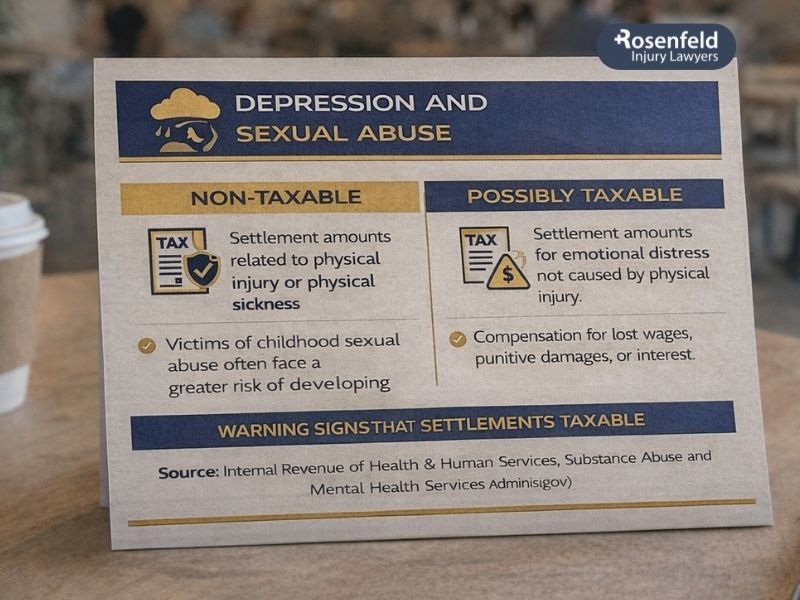
How We Can Help Victims of Child Abuse Suffering From Depression
When we represent survivors of child abuse suffering from depression, anxiety, and other mental health problems, we take a trauma-informed approach at every stage of the case. Our role is legal advocacy and support.
As sexual abuse lawsuits progress, we help our clients by:
- Listening to their story with respect and informed consent
- Investigating early abuse, institutional failures, and all responsible parties
- Working with mental health professionals to uncover the full impact of the abuse
- Documenting psychiatric disorders, affective disorders, and physical health conditions
- Handling legal filings, negotiations, and court proceedings
- Protecting our clients from re-traumatization whenever possible
We understand how difficult it can be to speak about childhood abuse or sexual violence. We move at our clients’ pace and remain focused on their well-being throughout the resolution process.
Seek Justice for Depression Following Childhood Trauma
Depression following childhood trauma is not a weakness; it is a common and well-documented outcome of childhood sexual abuse and other forms of violence. Survivors deserve accountability, access to care, and justice.
We handle these cases on a contingency-fee basis, with no upfront costs. We also offer a free consultation so survivors can speak with us confidentially about their situation, their concerns, and their legal options.
If you or someone you love is struggling with depression, mental health disorders, or physical health consequences linked to childhood sexual abuse, contact us today.
All content undergoes thorough legal review by experienced attorneys, including Jonathan Rosenfeld. With 25 years of experience in personal injury law and over 100 years of combined legal expertise within our team, we ensure that every article is legally accurate, compliant, and reflects current legal standards.