



Child Sexual Abuse Survivors’ Legal Rights


At Injury Lawyer Team, we stand with families and their loved ones who are trying to understand their child sexual abuse survivors’ legal rights and take their first steps toward justice, healing, and accountability.
We know how overwhelming it can feel when sexual assault or abuse is committed against a child. The harm affects entire families, and it can shake your sense of safety, trust, and hope. You’re not alone. Our firm is here to provide legal representation, help you understand the law, and empower you to seek justice through the civil and criminal justice system.
We believe in your case, and we know that allowing survivors to come forward with strength and dignity is one of the most important ways our society can protect children, hold perpetrators accountable, and prevent future incidents of abuse.
How Long Do Survivors Have to Start the Legal Process?
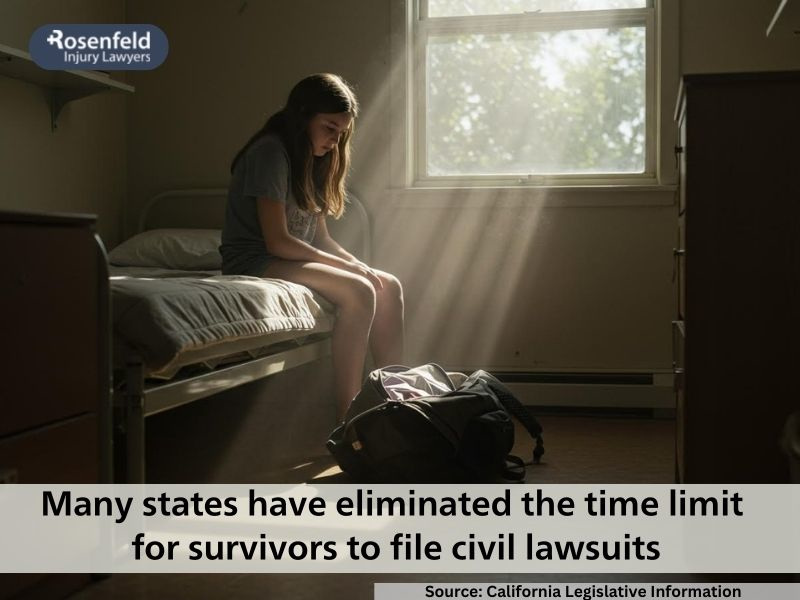
Every state has rules that limit the amount of time a survivor has to file a civil lawsuit for childhood sexual abuse. These rules are known as the civil statute of limitations on child sexual abuse. The statute establishes the time limit for when a victim may take legal action, depending on where the misconduct occurred, the type of claim, and the survivor’s age.
Because sexual assault against minors is a serious crime, many states have expanded or even eliminated their statutes over the years. Some allow survivors to file until age 28, 35, or even older. Others allow filing based on the date the survivor first connects the past sexual assault with present-day psychological harm, a rule known as the discovery doctrine.
These deadlines matter because once the limitations period expires, legal advocates may no longer file a claim in court unless the state has created a special exception. We always encourage survivors to reach out as early as possible so we can explain their rights clearly, help ensure that evidence collected is preserved, and their legal rights are protected.
Lookback Windows for Childhood Sexual Abuse
In recent years, many states have created “lookback windows” for childhood sexual abuse. These are special laws that temporarily remove the time limit and allow survivors to file a civil lawsuit even if the statute of limitations has expired.
Lookback windows recognize that survivors often need decades before they feel safe enough to report what was done to them, especially when the abuser was a trusted adult or when institutions failed to protect the child.
Examples of states with lookback windows include:
- New York – Under the Child Victims Act, thousands of survivors were able to file sexual assault lawsuits involving churches, schools, youth programs, and foster agencies.
- California – The state opened multiple revival windows, allowing survivors to pursue legal action for rape, molestation, or incest that occurred decades earlier.
- New Jersey – In addition to opening a two-year lookback window, the state extended its timeline significantly, giving survivors more years to seek justice and pursue monetary damages.
These windows are powerful tools for survivors, and they demonstrate a growing national recognition that sexual assault against minors requires stronger, more compassionate pathways to accountability.
Institutional Liability for Sexual Violence Involving Children
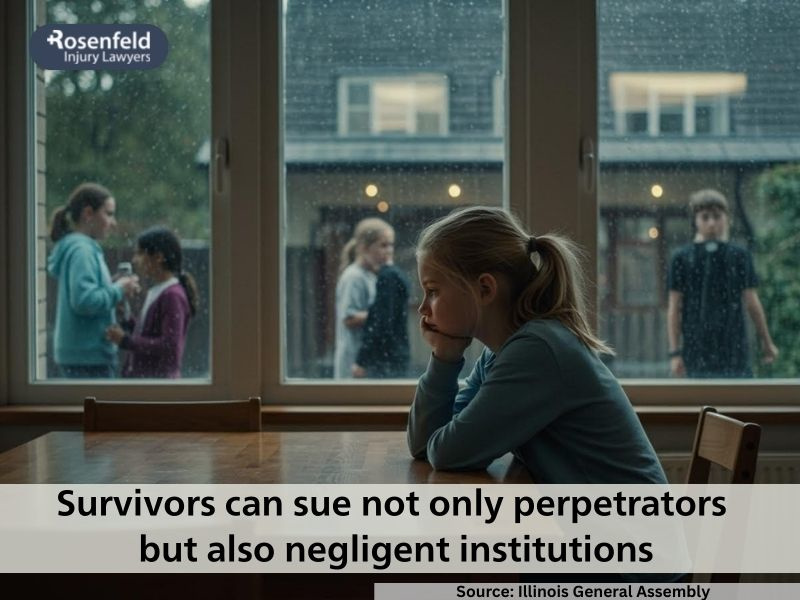
Many incidents of child sexual abuse occur inside institutions that families trust. Liability exists because these organizations must properly supervise, screen, and protect every child in their care. When they ignore warning signs, violate reporting rules, or allow unsafe conditions, they may be legally responsible for the harm that occurred.
School Sexual Abuse Lawsuits
In school sexual abuse lawsuits, a school district may be liable when administrators overlook complaints about a teacher or coach, fail to act on student reports, or allow private, unsupervised access to children. These failures create conditions where sexual assault can occur, making the school responsible for the environment it allowed.
Foster Care Sexual Abuse Lawsuits
In foster care sexual abuse lawsuits, agencies may be liable when they place a child in a dangerous home, ignore earlier incidents, or fail to perform background checks on foster parents. Because placement decisions directly affect safety, an agency’s negligence can make it responsible for resulting abuse.
Clergy Abuse Lawsuits
In clergy abuse lawsuits, religious institutions may be liable when they conceal past allegations, transfer abusive clergy to new congregations, or fail to comply with mandatory report requirements. Allowing known abuserscontinued access to minors creates institutional responsibility for the resulting sexual abuse.
Youth Detention Center Sexual Abuse Lawsuits
In youth detention center sexual abuse lawsuits, liability arises when detention facilities fail to supervise staff, ignore complaints from detained youth, or allow staff with concerning histories to continue working with minors. These centers must maintain secure, closely monitored environments, and lapses can directly enable abuse.
Youth Residential Treatment Facility Sexual Abuse Lawsuits
In youth residential treatment facility sexual abuse lawsuits, treatment centers may be liable when they fail to supervise employees, dismiss complaints from residents, or allow unsafe staff-resident interactions. Because children live full-time in these facilities, negligence in supervision or safety protocols can directly lead to sexual violence.
Daycare Sexual Abuse Lawsuits
In daycare sexual abuse lawsuits, liability occurs when childcare centers ignore licensing rules, fail to enforce two-adult supervision, or overlook warning signs that a caregiver is unsafe. Young children rely entirely on staff supervision, and when daycares fail to protect them, they may be legally responsible.
What Types of Financial Compensation Can Child Sexual Assault Victims Recover?
When sexual assault victims or families decide to take action, a civil claim can provide financial compensation for the profound harm caused by sexual assault against a child. We understand that every survivor has unique needs, and compensation may help provide access to support, resources, and mental health services that promote long-term healing.
These are the types of damages typically awarded in child sexual abuse cases:
Economic Damages
These address direct financial losses and can include:
- Medical treatment and emergency care
- Specialized therapy, trauma counseling, or long-term mental health services
- Costs of medication and psychological evaluations
- Future treatment needs
- Educational support for disruptions caused by abuse
- Out-of-pocket costs associated with the aftermath of sexual assault
Non-Economic Damages
These address the emotional and personal impact, such as:
- Pain and suffering
- Emotional distress and psychological trauma
- Loss of enjoyment of life
- Damage to relationships with families or a parent
- Fear, anxiety, or PTSD
- Long-term impacts on identity, trust, development, and safety
Punitive Damages
Courts may award punitive damages when the crime is especially egregious. These damages are intended to punish the perpetrators or negligent organizations and deter future misconduct.
How Our Trauma-Informed Team Can Help You Pursue Legal Action
At Injury Lawyer Team, we support survivors of sexual abuse through every stage of the legal process while protecting your confidentiality and giving you the knowledge needed to make informed decisions. As your case moves forward, we gather and preserve evidence, coordinate investigations, and document how the abuse occurred, including when misuse of authority or force played a role.
We handle filings, deadlines, negotiations, and communication with institutions and opposing counsel, and we guide you through civil litigation when necessary. If safety becomes a concern, we can request a protective order to help safeguard you while your case progresses.
Our role is to manage the legal work, from building the case to representing you in court, so you can focus on your healing while we stand with you every step of the way.
Secure Expert Legal Representation
When you’re ready, we can help you take the next step toward accountability. With experience advocating in sexual assault lawsuits, institutional abuse claims, and survivor-centered litigation across the country, our attorney team is committed to standing beside you throughout the entire process.
We offer a free, confidential consultation, and we work on a contingency fee, meaning you never pay anything upfront and no legal fees unless we succeed for you.
If you or a loved one is considering legal representation, reach out to us. We stand with you, and we will be honored to assist you as you seek justice, rebuild stability, and continue your healing journey.
All content undergoes thorough legal review by experienced attorneys, including Jonathan Rosenfeld. With 25 years of experience in personal injury law and over 100 years of combined legal expertise within our team, we ensure that every article is legally accurate, compliant, and reflects current legal standards.