



Brookwood Secure Center for Youth Sexual Abuse Lawsuits


Compensation for Victims of Abuse in New York Juvenile Detention Centers
At Injury Lawyer Team, we represent survivors of Brookwood Secure Center for Youth sexual abuse and other facilities where vulnerable young people should be safe.
Reports of staff sexually abusing detained youth in New York’s juvenile system show how easily protections can fail. Survivors, and especially children, deserve accountability and the compensation they are owed.
When abuse happens in a juvenile detention center or residential placement, the impact can be lifelong. Our firm holds institutions and staff members to account with trauma-informed advocacy.
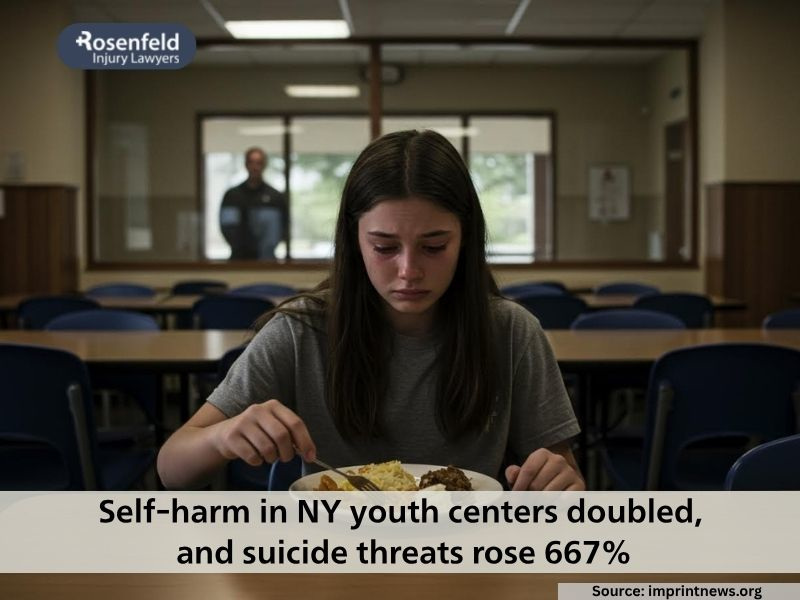
Allegations of Abuse Against Brookwood Secure Center
The Brookwood Secure Center in Claverack, a state-run detention center, has faced grave allegations involving a former psychologist, Maya Hayes, who was accused of sexually abusing multiple detained youths between 2020 and 2022.
Prosecutors brought 65 charges, including 62 counts of criminal sexual act and three counts of third-degree rape, and referenced eight victims in the charging materials. Many incidents were allegedly committed during one-on-one counseling sessions.
The facility is run by the New York State Office of Children and Family Services, the agency responsible for operating secure youth placements statewide.
According to a federal lawsuit, abuse at the facility was not an isolated incident but part of a broader breakdown.
The filing states that other staff members were aware of the issue, joked about it, and never reported obvious red flags.
It alleges that supervision and reporting protocols were ignored and that the psychologist organized fights among inmates.
Youth with special needs were among those left unprotected, highlighting the need for stronger oversight and faster accountability.
Who Can Be Held Liable for Abuse at a Juvenile Justice Center?
When we file a civil lawsuit, potential defendants may include:
- Individual employees or counselors who committed the abuse
- Supervisors or administrators who ignored red flags or failed to act
- Other staff who enabled misconduct or failed to report it
- The facility or operating agency (including Children and Family Services) for negligent hiring, training, or supervision
- Contractors or third-party service providers involved in operations
What Compensation Can Victims Recover?
Our firm guides clients through complex youth detention center sexual abuse lawsuits in New York.
Depending on the case, survivors may pursue:
- Medical expenses and long-term treatment
- Therapy and mental-health care
- Pain and suffering
- Educational disruption and special services
- Reduced earning capacity
- Punitive damages where warranted
How Long Do Survivors Have to Take Legal Action?
Two New York laws control the filing deadlines in these cases.
- CPLR §208(b) lets people who were abused before age 18 file civil claims up to their 55th birthday.
- CPLR §213-c covers adults: if the abuse happened at 18 or older, you generally have 20 years to sue for qualifying offenses that occurred on or after September 18, 2019.
PREA (Prison Rape Elimination Act) doesn’t create grounds for a private lawsuit or a deadline, but it sets safety and reporting standards in detention and often produces records that can support a civil case.
How Injury Lawyer Team Can Help
We bring proven experience handling civil sexual abuse lawsuits in New York. We investigate, secure records, partner with experts, and build cases that demand accountability from facilities and staff members in juvenile detention.
Book a Free Consultation
Your first step is private and low-pressure. Our consultations are 100% free, confidential, and carry no obligation. Start your sexual abuse lawsuit today. Our team will stand with you from intake to resolution.
All content undergoes thorough legal review by experienced attorneys, including Jonathan Rosenfeld. With 25 years of experience in personal injury law and over 100 years of combined legal expertise within our team, we ensure that every article is legally accurate, compliant, and reflects current legal standards.