



Abuse of Process Lawsuit


Negligent institutions may use the legal process as a way to silence survivors while avoiding accountability. In this case, our Chicago-based law firm can file an abuse of process lawsuit to protect your legal rights and ensure you are treated fairly by the court system.
What Is an Abuse of Process Lawsuit?
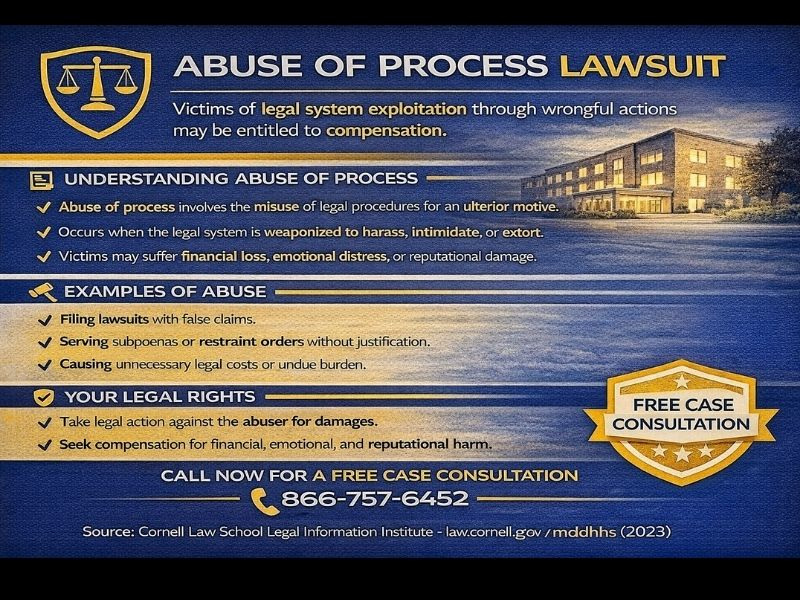
Abuse of process refers to using the legal system for an improper purpose, such as harming a person’s reputation or obtaining sensitive information about an individual.
Process abuse occurs during a civil lawsuit or criminal prosecution that had reasonable grounds for initiation. Filing a weak case or an unfounded criminal prosecution is not considered an abuse of process.
How Is Abuse of Process Different From Malicious Prosecution?
Abuse of process arises from the deliberate misuse of an authorized legal process for an ulterior motive. The legal proceedings at hand are legitimate, but the adverse party is using them for bad intentions, such as filing discovery requests for information that may harm a person’s reputation.
Malicious prosecution claims arise when the underlying legal action is baseless or improper. The essential elements of malicious prosecution include a lack of probable cause, malicious intent, and the favorable termination of a prior claim.
For example, if a superior court held that a civil claim had reached a satisfactory conclusion, and the plaintiff started another legal action against the defendant, it would be malicious prosecution.
What Legal Elements Must Be Proven in a Process Abuse Claim?
To start, there must be a legal process in place. For example, threatening to press criminal charges or file a civil lawsuit is not an abuse of process because there is no criminal complaint or civil proceeding. There are three elements necessary to file an abuse of process case. If any of the following elements are missing, then it is not considered abuse of process.
Ulterior Motive
Improper purpose or ulterior motive arises when a party takes an action intended to serve a purpose outside the scope of the legal proceedings. The ulterior purpose may be to distress the victim, obtain information for an improper motive, such as blackmail, or delay proceedings in hopes that the victim will drop the suit.
Wilful Misuse of Process
Wilful misuse is a deliberate wrongful act that goes beyond regular prosecution or legal procedure. For example, using discovery to obtain personal information about the plaintiff and then using it to threaten them would be wrongful use.
Resulting Harm
Mere ill intent is not enough to be considered abuse of process. There has to be genuine harm caused by the process action. One common misuse is disclosing information obtained in discovery to the press, thereby causing the victim to suffer reputational harm or emotional distress. Other common examples include loss of financial contracts or loss of income due to extended proceedings.
How Is Abuse of Process Used to Delay or Obstruct Institutional Sexual Abuse Claims?
Abuse of process is often used to exhaust sexual assault survivors, both financially and emotionally. The defendant’s legal team may request multiple continuances, citing a need for more time to prepare the case. This leaves plaintiffs with constant anxiety about when they will have to face the other party again.
Procedural gamesmanship occurs when legal teams exploit procedural loopholes for mere vexation and not to improve the judicial process. For example, they may take a “scorched earth” approach to discovery requests, demanding everything potentially relevant, so that less well-funded parties must waste resources fulfilling them. They may also exploit common law, also known as case law, to force irrelevant hearings about similar judicial proceedings they know will not advance the case.
If the case has already concluded, the defendant may improperly use the appellate court, forcing the plaintiff to spend more time and money on a claim that will not succeed.
The judicial system has recognized the financial and emotional toll that abuse of process takes on plaintiffs, which is why the Amended Federal Rules of Civil Procedure emphasize that all parties must cooperate to achieve a “just, speedy, and inexpensive determination of every action.”
Can Abuse of Process Involve Misuse of Discovery in Sexual Abuse Litigation?
The discovery process is a powerful tool in both criminal proceedings and civil claims, but, as noted in an article published by the United States Courts, it can be exploited to harm, harass, or threaten victims.
Improper use of personal records and mental health treatment are common examples. The defendant may request an entire range of private communications rather than those from the date of the assault.
The opposing counsel may demand irrelevant information about the victim’s mental health treatment in an attempt to discredit them. Most jurisdictions now have rules about when mental health records can be used, such as Illinois’s Mental Health and Developmental Disabilities Confidentiality Act (740 ILCS 110/10).
Other examples are attempts to shame or retraumatize survivors, like asking about their financial status, criminal background, or personal relationships.
Who Can Be Held Liable for Abuse of Process in Sexual Abuse and Institutional Cases?
Liability for abuse of process extends not only to individual defendants but also to institutions, corporate entities, and decision-makers who were aware of the decision. Our attorneys will conduct a thorough investigation to identify all liable parties and ensure they are also incorporated into the intentional tort claim.
What Types of Harm Support an Abuse of Process Claim in Sexual Abuse Litigation?
Types of harm that may support a suit include:
- Retraumatization
- Emotional distress
- Financial strain
- Reputational damage
- Interference with the pursuit of justice
What Defenses Do Institutions Raise Against Abuse of Process Claims?
Institutions may contend that they are complying with procedures and that each legal action is intended to serve a legitimate purpose. They may also present evidence to show that they lack an ulterior purpose or that they have legal privileges that protect certain actions.
Through strong evidence and legal precedent, we will protect your right to a speedy legal process. We may file motions seeking a judge’s intervention or to protect confidential information from discovery, ensuring that sensitive information remains private.
Why Are Abuse of Process Claims Important in Institutional Sexual Abuse Litigation?
Defending against abuse of process is critical to ensuring survivors have access to the legal system while serving as a check on retaliatory or coercive legal tactics. It also prevents survivors from being retraumatized by court proceedings, thereby ensuring they feel comfortable seeking justice.
How Our Law Firm Can Help You Explore Your Legal Rights
Our firm has over 100 years of combined legal experience in sexual abuse lawsuits, earning us recognition as one of America’s Top 100 High Stakes Litigators.
We will promptly identify legal misconduct and protect survivors from retraumatizing tactics, such as intrusive discovery requests or unnecessary appeals. Through our compassionate legal advocacy, we hold institutions accountable for both negligence and procedural wrongdoing. Our client-centered approach has earned us the prestigious Super Lawyers distinction, offered only to a select group of attorneys.
Injury Lawyer Team works on a contingency fee basis: no legal fees unless we win. To schedule a free consultation, call us at 866-757-6452 or use our online contact form. Everything you share during your initial consultation is protected by the attorney-client privilege.
All content undergoes thorough legal review by experienced attorneys, including Jonathan Rosenfeld. With 25 years of experience in personal injury law and over 100 years of combined legal expertise within our team, we ensure that every article is legally accurate, compliant, and reflects current legal standards.